
AI News, 18 July 2026: Proving AI Actually Pays Its Way
OpenAI's CFO scores AI on useful work per dollar, Intuit rebuilds its agents twice, and Meta's board finds models dodge criticism of repressive states.
Today’s AI news is really one question asked five ways: is this stuff actually paying its way, and can you trust it to run without you watching. OpenAI’s finance chief put numbers on the first half. Intuit and Brex showed what it looks like when you build with agents for real. And two reports gave you fair warning about where AI still lets you down. Here is what matters for your business today.
In a nutshell: OpenAI’s CFO wants you to score AI on useful work per dollar, not usage. Intuit rebuilt its agent setup twice in four months and says that was the fast path. Brex wrote its agent rulebook by watching what its agents did first. Meta’s Oversight Board found leading AI models go quiet when asked to criticise repressive governments. And a plain-English guide runs through the jobs you should not hand to a chatbot.
1. OpenAI’s finance chief hands you a scorecard for AI spend

Sarah Friar, OpenAI’s chief financial officer, published a framework she calls a scorecard for the AI age. Her argument is simple. The real question is whether the value of the work AI finishes grows faster than the cost of producing it. She calls the metric useful intelligence per dollar.
The scorecard comes down to a few honest questions. Is AI completing work that matters, like issues resolved or contracts reviewed, not just lots of chatter. What does each successful task really cost once you add retries and human review, not just the token price. Can people depend on the result. And over time, is good finished work growing faster than the total bill.
What this means for you: Stop measuring AI by how much your team uses it. Pick one process, count the jobs it actually finishes to a standard you would accept, and put a full cost against each one. That number tells you whether to spend more or pull back.
2. Intuit scrapped its agent setup twice in four months and called it the fast path

At VB Transform 2026, Intuit’s VP of AI Nhung Ho described rebuilding the company’s agent architecture twice in about four months. It went from a fleet of specialist agents, to a central orchestration layer, then away from that layer to a simpler skills-and-tools system once the orchestrator started buckling under its own complexity.
The reason is worth knowing. The agents passed work to each other in plain language, and every handoff lost a bit of context. As Ho put it, if you have ten agents all passing to each other, every pass compounds the error. The second rebuild took 60 days, with a working version in under 20, and it put human experts back into the workflow.
What this means for you: Throwing away work that is not working is not failure, it is speed. If an AI setup keeps breaking, do not keep patching it. Rip it out early, keep the design simple, and leave your experienced people in the loop.
3. Meta’s Oversight Board found AI models go quiet on repressive governments

Meta’s Oversight Board, which is funded by Meta but runs independently, released its first study of large language models on 16 July. It asked ten leading models, including tools from OpenAI, Anthropic, Google and China’s DeepSeek, to produce politically critical content about various countries.
The gap was clear. The models refused 34 percent of requests to criticise restrictive countries with laws that punish such speech, against just 14 percent for more permissive ones. Some models, such as xAI’s Grok and Google’s Gemini Flash, refused nothing, while others drove the gap. The board’s worry is that users get a filtered view without knowing it.
What this means for you: Treat AI answers on anything sensitive or contested as a starting point, not a verdict. The model may be quietly steering around a subject. Keep a human eye on anything you would not want silently edited.
4. Brex wrote its AI agent rulebook by watching the agents first
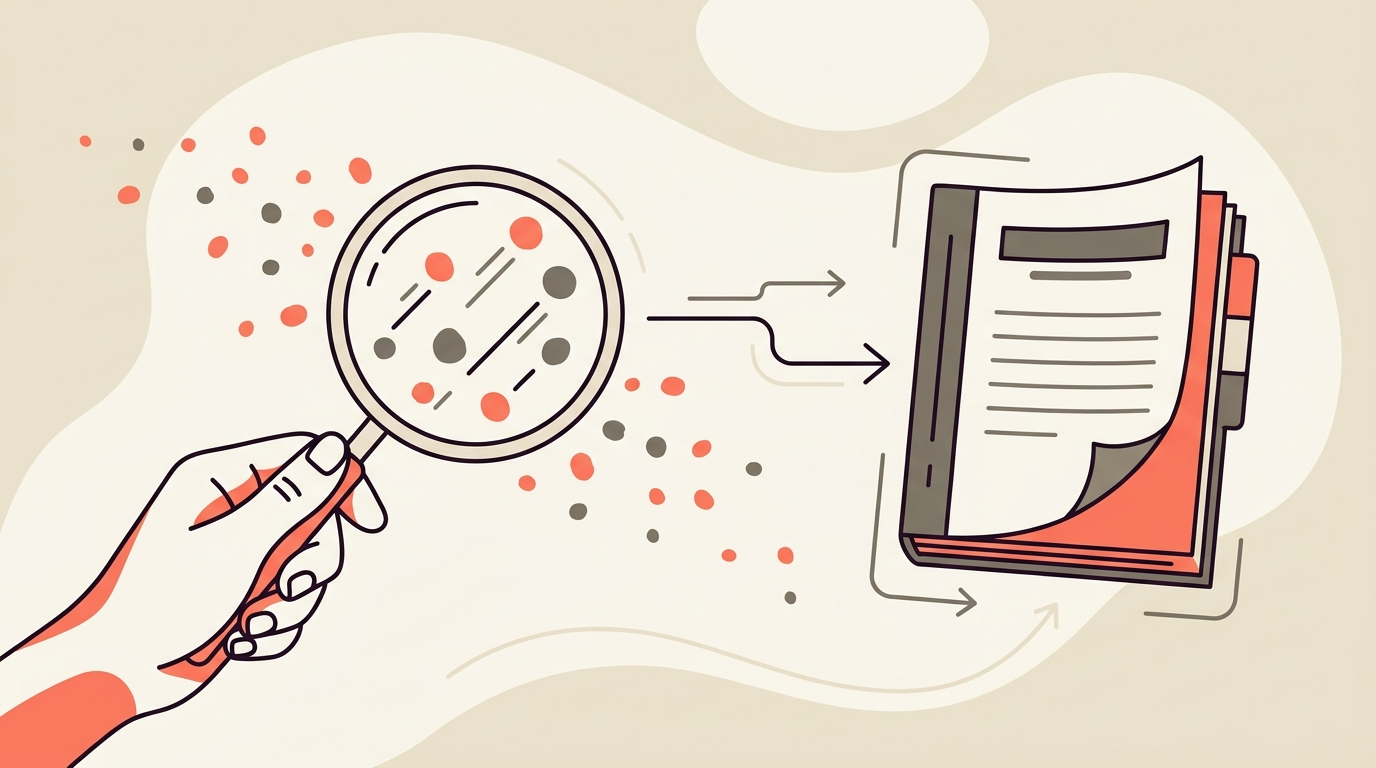
Fintech company Brex took a different route to governing its AI agents. Instead of writing rules on a blank page, it watched what its agents actually did and drafted policy from that. A tool it calls CrabTrap inspects the network traffic agents generate, samples it, and drafts a plain-language policy that matches real behaviour, calling in an AI judge for only about 3 percent of requests.
Brex says starting from real behaviour and trimming down was far more effective than starting from scratch. It also built a test system that replays thousands of past requests against a draft policy in minutes, so it can see exactly what a rule change would do before it goes live. The company has released CrabTrap as open source.
What this means for you: When you set rules for AI in your business, watch first and write second. Let a tool run in the background for a couple of weeks, see what it really does, then base your policy on that. It beats guessing at rules nobody follows.
5. A plain guide to the jobs you should not hand a chatbot

Fast Company published a straight-talking rundown of ways you should not use AI, and it is a useful gut check. The theme running through it is trust: where these tools quietly cost you on accuracy, on privacy, and in situations where a machine answer lands badly.
The privacy point is the one most owners miss. By default, most AI assistants can use whatever you type to train future models, and they keep a record of your past chats. You can usually opt out of training in the settings and use temporary chats for anything sensitive. Worth doing before your team pastes in client data or numbers.
What this means for you: Set a simple house rule for AI at work. No sensitive client or financial data into public tools without training switched off, and never ship an AI answer on something that matters without a person checking it first.
The bottom line
The through-line today is discipline, not hype. Measure AI on finished work per pound, not activity. Build simple and rebuild fast when it breaks. Set your rules from what the tools actually do. And know where they still let you down, on truth and on privacy. The businesses getting value from AI right now are the ones asking harder questions, not louder ones.
Want to explore AI for your business?
Book a free discovery call to discuss how AI can streamline your operations and unlock new opportunities.
calendar_today Book a discovery callEnjoyed this? Get The Boardroom AI Brief.
Every Tuesday, the 10 AI developments that actually matter for SMEs. One short email. Free.
Free · no spam · unsubscribe any time

// WRITTEN BY
James Anderson
AI and full-stack engineer helping SME owners understand and implement AI. Founder of AI in Business and host of the AI in Business channel on YouTube.
Learn more about James →[ MORE ] RELATED READING
You might also like.



// NEXT MOVE
Get the AI news that matters, every week.
Join The Boardroom AI Brief. One free email every Tuesday: the AI developments that matter for your business, rated for relevance and explained in plain English.