
AI News, 15 June 2026: KPMG's Fake Case Studies and the Cost of Rushing AI
KPMG pulls a report full of fabricated AI case studies, a new book warns against "random acts of AI", OpenAI builds a partner network, and a US directive cuts off AI access abroad. What it all means for your business.

A big consultancy got caught publishing AI case studies that were not real. A new book warns against scattering AI tools around and hoping for the best. And a government order showed how fast your AI supplier can be switched off. Here are the five stories that matter for your business today.
In a nutshell: Today is a lesson in doing AI properly rather than quickly. KPMG had to pull a report after the case studies in it turned out to be made up by AI. A new book argues the winners are not the ones with the best tools, but the ones who rebuild how they work. OpenAI is trying to fix the adoption gap with a network of delivery partners. A US directive cut off AI model access in India overnight, a reminder of how dependent you can become on one supplier. And unions are gearing up to make AI and jobs a political fight.
1. KPMG pulled an AI report after the case studies turned out to be fake
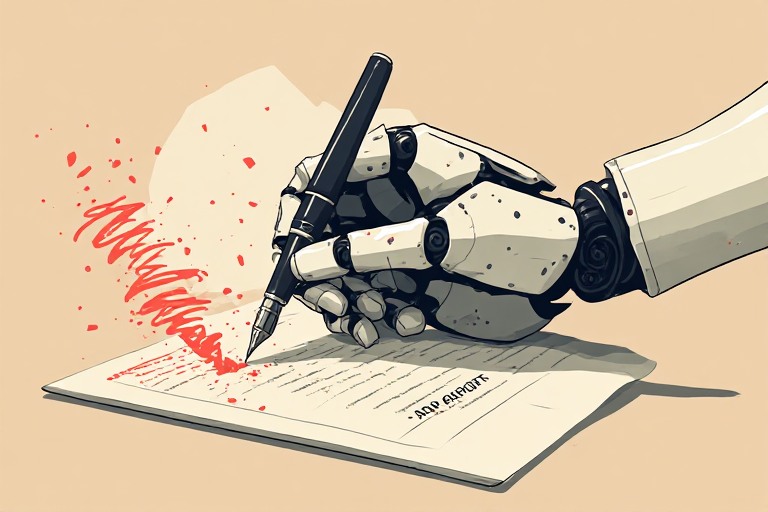 KPMG published a report meant to sell clients on AI adoption. The problem: the case studies in it were not real. The report claimed UBS ran AI agents for investment advice on a platform built with Microsoft. UBS said that was not true. The NHS in Greater Manchester also said the description of its AI work did not match reality.
The errors were spotted by detection firm GPTZero and verified by the Financial Times. Only five of the report’s 45 citations correctly matched their sources. The rest were misleading, partly fabricated, or impossible to check. KPMG took the report off its website while it investigates.
The irony writes itself. A report on the benefits of AI was undone by AI making things up. If a global firm with a brand to protect can ship this, anyone rushing can.
What this means for you: Check every fact, figure, and quote an AI tool produces before it goes near a client or the public. Your name is on it, not the model’s.
2. A new book makes the case against “random acts of AI”
 In a Fast Company piece, author Melissa Reeve describes the most common mistake leaders make. They hand out AI licences, tell people to experiment, and then wonder why nothing improves. She calls this “random acts of AI”.
Her argument, from her book Hyperadaptive, is that the technology you pick is not what separates winners from losers. It is the organisation you become. The firms that pull ahead are built to sense change faster, learn continuously, and decide quicker. She points to Moderna, Nike, and Toyota as companies that moved from running AI projects to rewiring how they work.
This lines up with what we keep seeing. Tools alone do not move the numbers. Changing the process around the tool does.
What this means for you: Before buying more licences, pick one workflow that actually costs you time or money and redesign it around AI. One fixed process beats fifty scattered experiments.
3. OpenAI launches a partner network to fix the adoption gap
 OpenAI announced its Partner Network, putting 150 million dollars behind a programme to help partners build, sell, and deliver AI solutions. The pitch is aimed straight at the problem most businesses hit: not the model, but getting it to work in real operations.
The stated focus is finding the right use cases, redesigning workflows, fitting AI into existing systems, and managing the change that comes with it. In plain terms, OpenAI is admitting that buying access to a model is the easy part. Making it stick inside a company is the hard part, and that needs people who know your industry.
It is also a sign of where the money is going. The frontier labs are racing to build delivery muscle, not just better models.
What this means for you: If you are stuck moving from pilot to real use, you do not have to figure it out alone. A growing market of certified partners now exists for exactly this. Just check their track record before you sign.
4. A US order cut off AI model access in India overnight
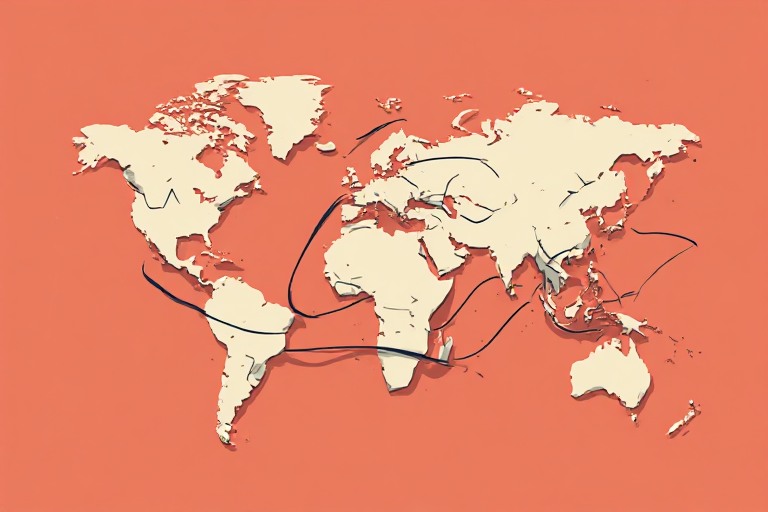 Anthropic suspended access to its newest models, Fable 5 and Mythos 5, for foreign nationals after a US government directive citing national security. The change hit on 12 June and applied even to the company’s own foreign staff.
India felt it hardest. It is one of Anthropic’s largest markets, and the timing was rough. TCS had been training 50,000 employees on Anthropic’s models, and Infosys had just started working with the company. The founder of Zoho said the episode proved that “technology is the ultimate weapon” and urged Indian firms to lean on smaller and open-source models. Anthropic called the directive a possible misunderstanding and said it wants to restore access.
The lesson is not about geopolitics. It is about dependency. A supplier you do not control can be switched off by forces you cannot see coming.
What this means for you: Do not build a critical process on a single AI supplier with no fallback. Know which models you could switch to, and keep your data portable enough to move.
5. Unions are getting ready to fight over AI and jobs
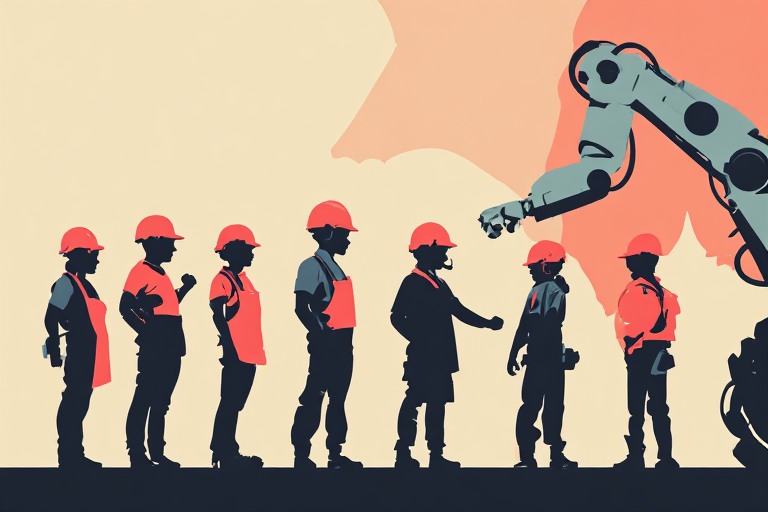 At the AFL-CIO convention, AI anxiety dominated the room. Leaders from 65 affiliated unions called for serious AI regulation. They railed against surveillance pricing, monitoring software, digital replicas, and discriminatory algorithms. The banner read “AI should work for us”.
The federation’s president, Liz Shuler, framed it bluntly: “You’re either with workers or you’re with millionaires.” Unions see some upside, such as building data centres, but believe both political parties are falling short on protecting workers. Axios reports this is shaping up to be a defining issue for the 2028 elections.
Politics aside, this signals where the pressure is heading. How you bring AI into your workforce will be watched more closely, by staff and eventually by regulators.
What this means for you: Be straight with your team about how you are using AI and what it means for their roles. Trust built now is cheaper than the backlash later.
The bottom line
The theme today is patience over speed. The firms getting burned are the ones treating AI as a box to tick, while the ones pulling ahead are rebuilding how they work and being honest with their people. Move deliberately and check your facts.
Want to explore AI for your business?
Book a free discovery call to discuss how AI can streamline your operations and unlock new opportunities.
calendar_today Book a discovery callEnjoyed this? Get The Boardroom AI Brief.
Every Tuesday, the 10 AI developments that actually matter for SMEs. One short email. Free.
Free · no spam · unsubscribe any time

// WRITTEN BY
James Anderson
AI and full-stack engineer helping SME owners understand and implement AI. Founder of AI in Business and host of the AI in Business channel on YouTube.
Learn more about James →[ MORE ] RELATED READING
You might also like.

// NEXT MOVE
Get the AI news that matters, every week.
Join The Boardroom AI Brief. One free email every Tuesday: the AI developments that matter for your business, rated for relevance and explained in plain English.