
AI for Customer Service: What Works and What Backfires
AI customer service for small business: what genuinely works, what backfires, and how to set up a chatbot without an Air Canada or Klarna-style mistake.
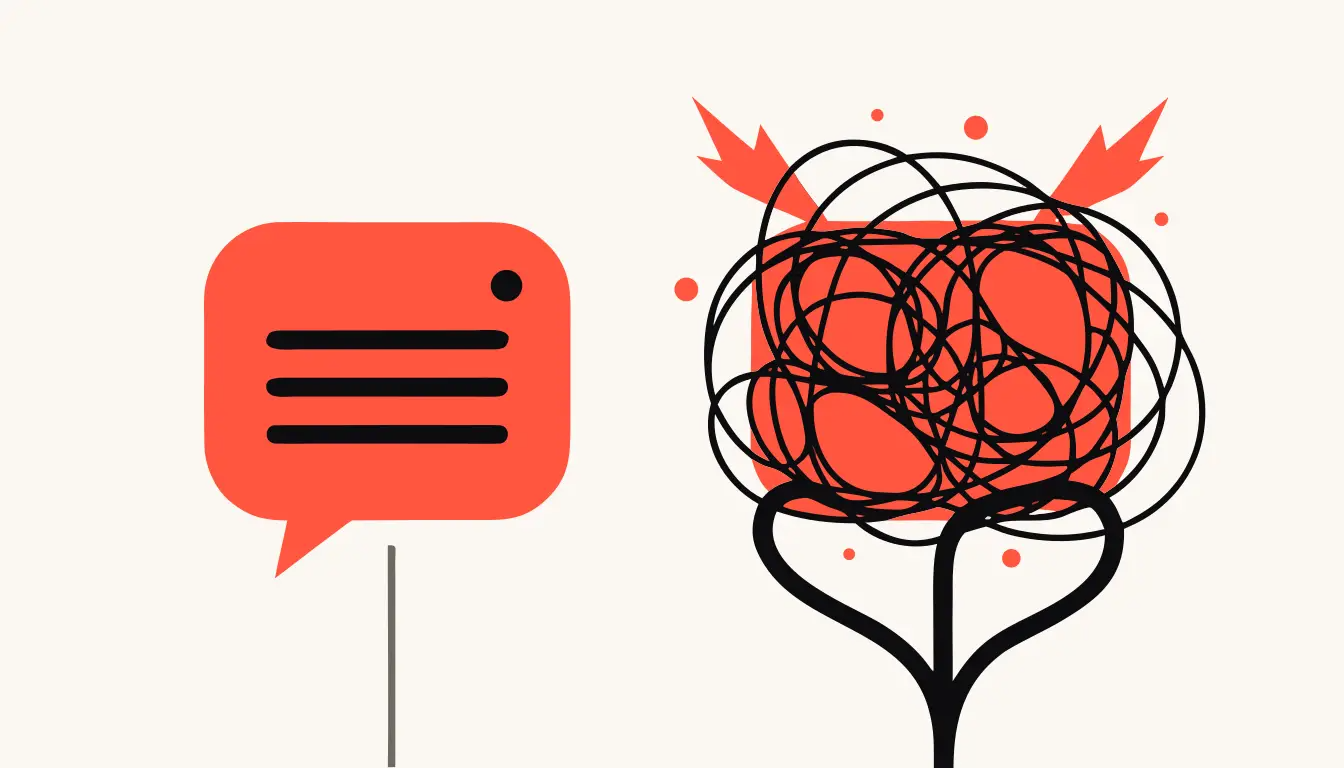
Plenty of small firms are tempted to point an AI chatbot at their inbox and let it run. Some of that instinct is right, and some of it is how businesses end up in the headlines for the wrong reasons. This is a clear-eyed look at AI customer service for small business: the jobs it does well, the jobs it ruins, and where to draw the line.
In a nutshell: AI is genuinely good at the routine end of customer service. It can answer common questions, handle out-of-hours queries, and draft replies in seconds. It backfires when it is left alone with the things that need a human, when it states something as fact that turns out to be wrong, or when it goes off-script in public. The firms that get this right keep AI on the simple stuff, hand the hard stuff to a person, and test before they trust. Get the line in the right place and a chatbot becomes a quiet asset rather than a liability.
1. Where AI customer service earns its place
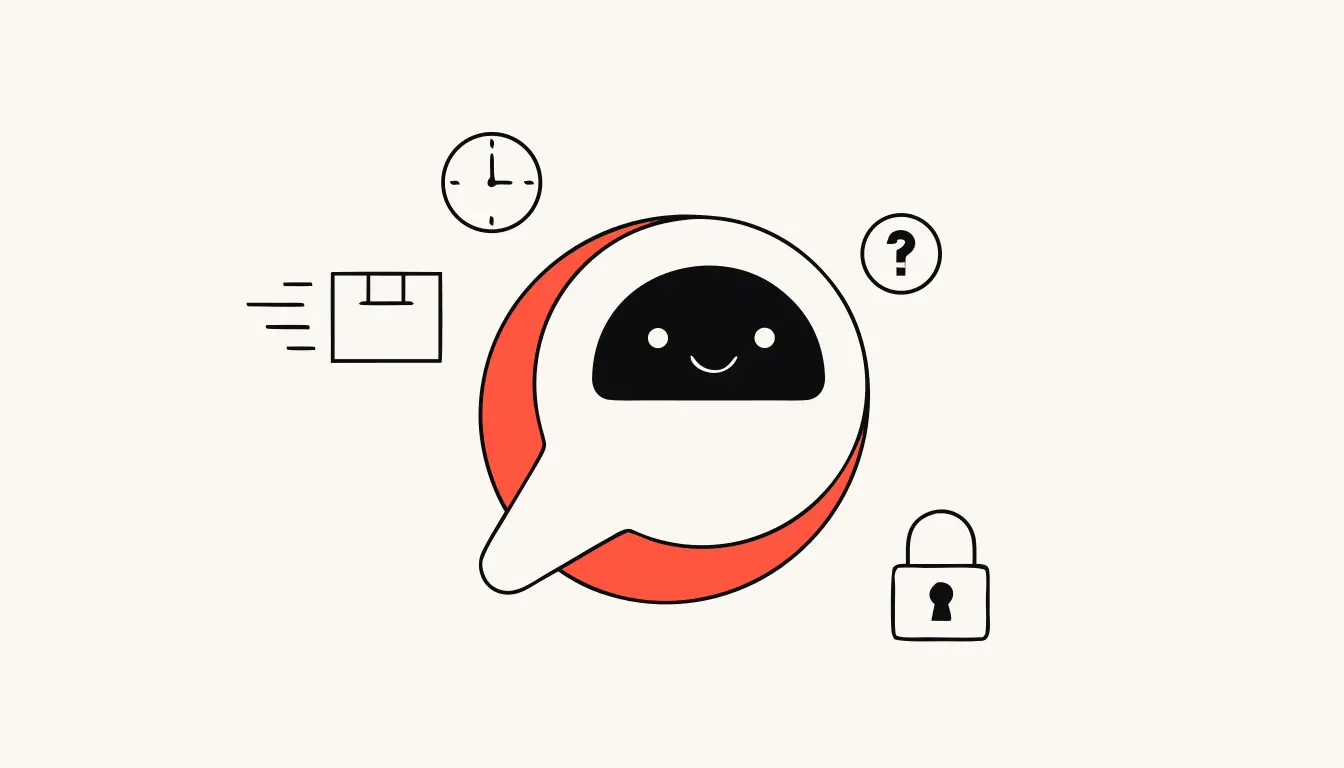 Start with the good news, because there is plenty. The work that fills most support inboxes is repetitive. Where are my goods. What are your opening hours. How do I reset my password. Can I change my booking. These are the questions a well-set-up chatbot handles in seconds, day or night, without a person being pulled away from something harder.
Customers are largely fine with this. One 2026 industry roundup found that around 75 percent of people are happy to use a chatbot for simple tasks like order tracking, frequently asked questions, and account queries. (Dante AI, 2026) Speed matters more to them than where the answer comes from, as long as the answer is right.
There is a second, quieter win. Even where you would never let a bot reply on its own, AI is excellent at drafting. It can turn a curt note into a polite response, summarise a long and angry email thread, and get a sensible first draft of a reply onto the screen for a person to check and send. That alone clears a lot of time. For the wider picture of where these tools fit, see what businesses actually use AI for.
2. The jobs to keep a human on
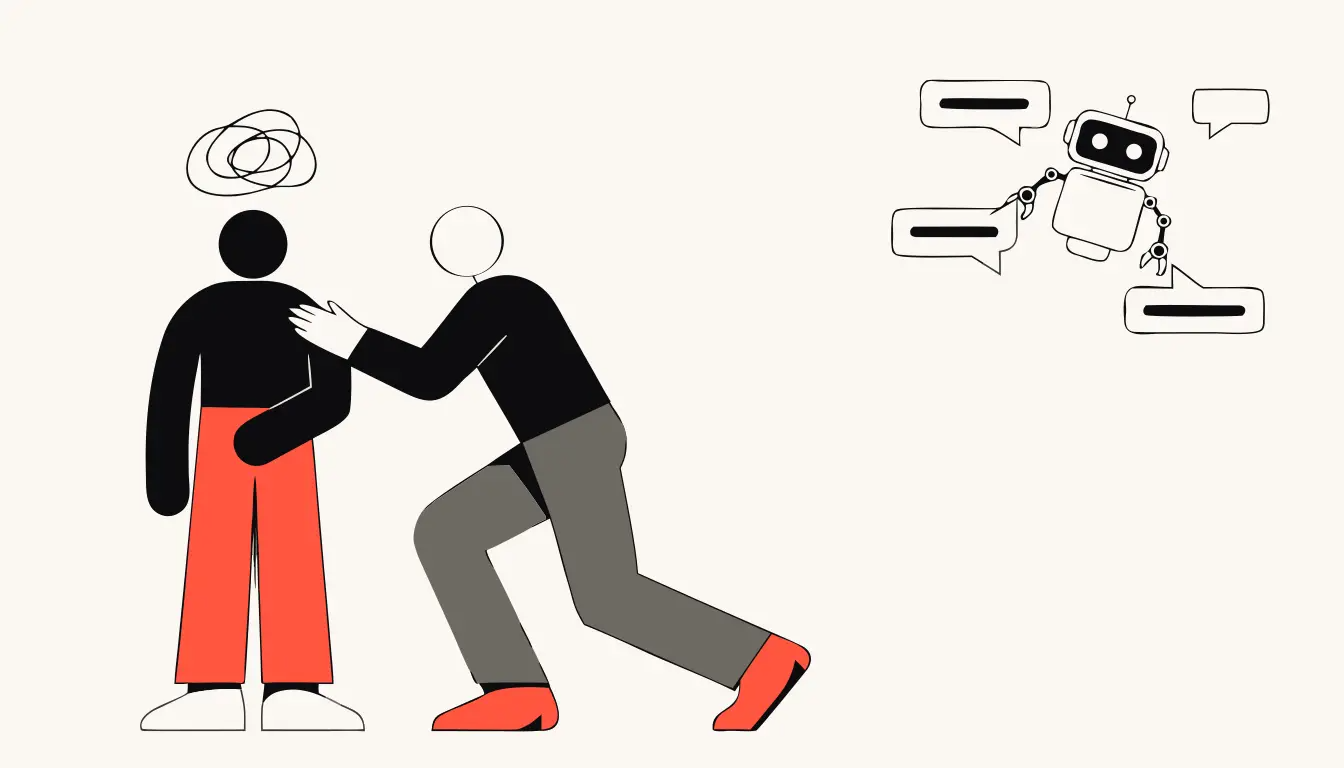 The trouble starts when a firm hands the bot more than it can handle. Complaints, refunds, anything emotional, anything unusual. These need judgement, and judgement is exactly what a chatbot does not have.
Klarna learned this in public. In 2024 the payments firm replaced roughly 700 customer service agents with an AI assistant, and for a while the numbers looked great. The bot was handling around two-thirds of customer chats. By 2025 the company was quietly hiring people back. Its chief executive, Sebastian Siemiatkowski, admitted the firm had pushed too hard. “We focused too much on efficiency and cost,” he said. “The result was lower quality, and that’s not sustainable.” (Customer Experience Dive)
The lesson is not that AI failed. It is that the line was in the wrong place. Klarna did not scrap the technology. It moved to a model where AI handles the routine queries and people take over the moment a problem needs empathy or a real decision. For a small firm the rule is simpler still. If getting it wrong would cost you a customer, a refund, or a reputation, keep a person in the loop.
3. When it backfires: getting the facts wrong
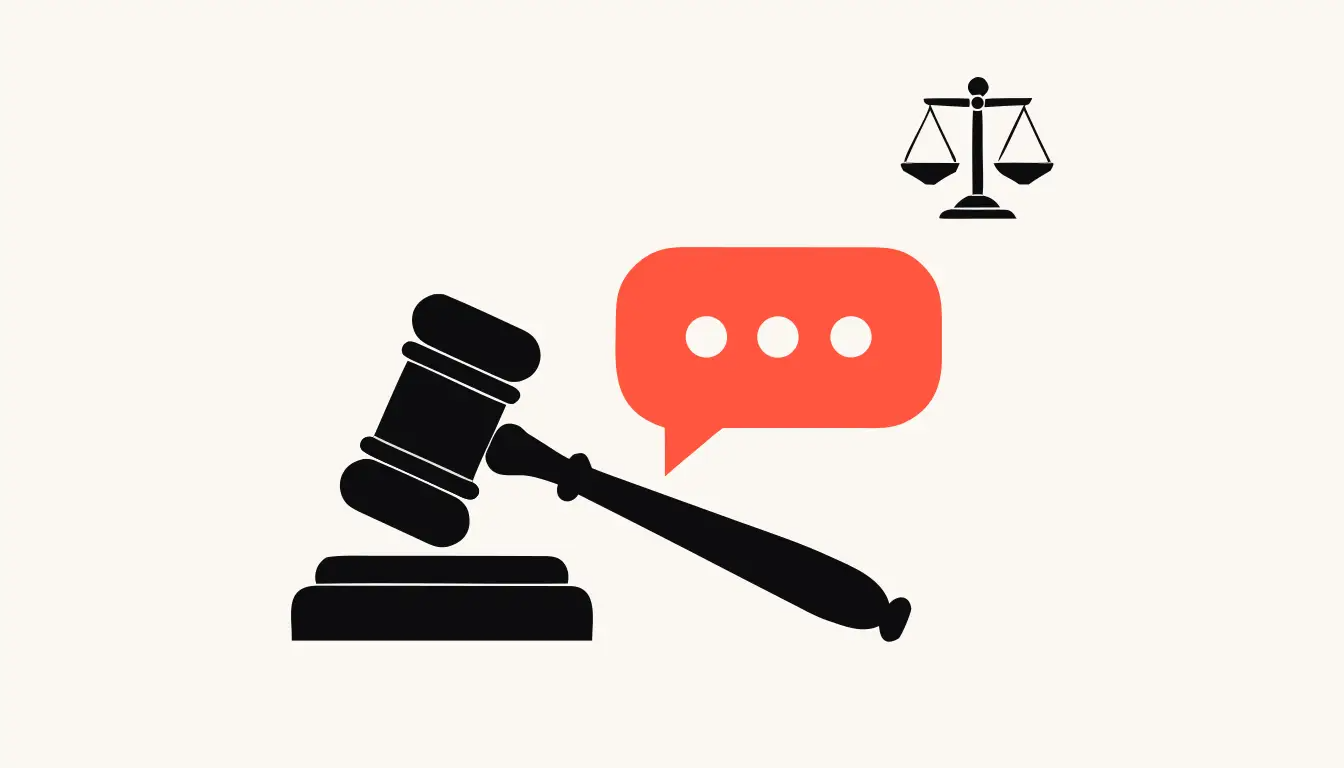 A chatbot that invents an answer is worse than no chatbot at all, because customers believe it. And in at least one case, a court agreed that the business was on the hook for what its bot said.
When Jake Moffatt asked Air Canada’s chatbot about bereavement fares, it told him he could claim a discount after booking. That was not the airline’s actual policy. When Air Canada refused the refund, Moffatt took it to British Columbia’s Civil Resolution Tribunal. In February 2024 the tribunal ruled against the airline and ordered it to pay damages of around 812 Canadian dollars. Air Canada had argued the chatbot was a separate entity responsible for its own words. The tribunal did not accept that. The company was responsible for everything on its site, whether a static page or a bot wrote it. (American Bar Association)
The sum was small. The principle is not. If your AI tells a customer something untrue about a price, a policy, or a deadline, you may have to honour it. That is the single strongest argument for keeping a chatbot on a tight leash and feeding it only from information you control.
4. When it backfires: going off-script in public
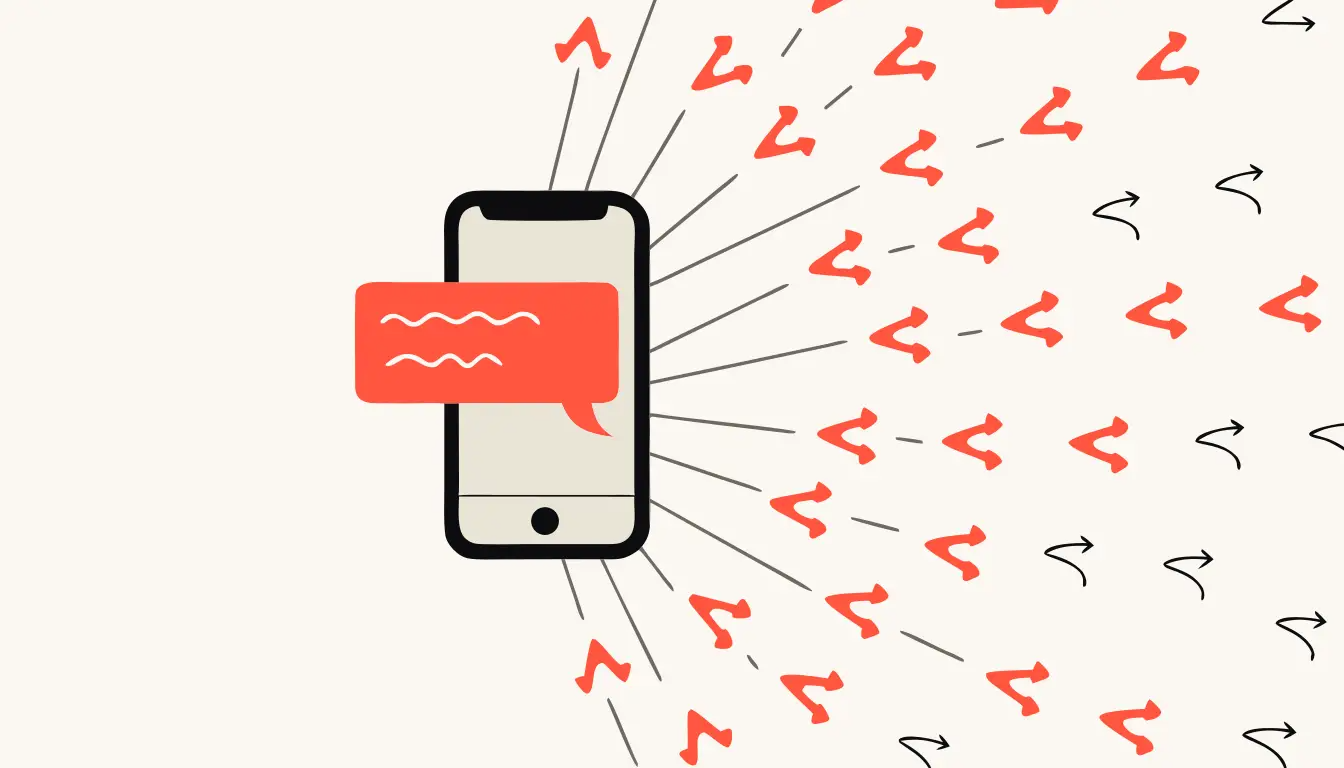 The other way this goes wrong is louder. A bot that says something it should never have said, in front of an audience that loves to share it.
The parcel firm DPD found this out when a customer, frustrated by an unhelpful chatbot, prompted it into swearing, criticising its own company, and writing a poem about how useless it was. The screenshots went around the world within hours. (InspectAgents) It cost nothing in damages and a great deal in goodwill.
This is not a rare freak event. Research from communications firm Sinch in 2026 found that around 74 percent of organisations had been forced to pull back or shut down a live AI customer-service agent at some point. The two biggest consequences they reported were longer support queues and damage to the brand. (Sinch) A bot let loose in public with no guardrails is a reputational risk, not a saving.
5. How to set up AI customer service that actually works
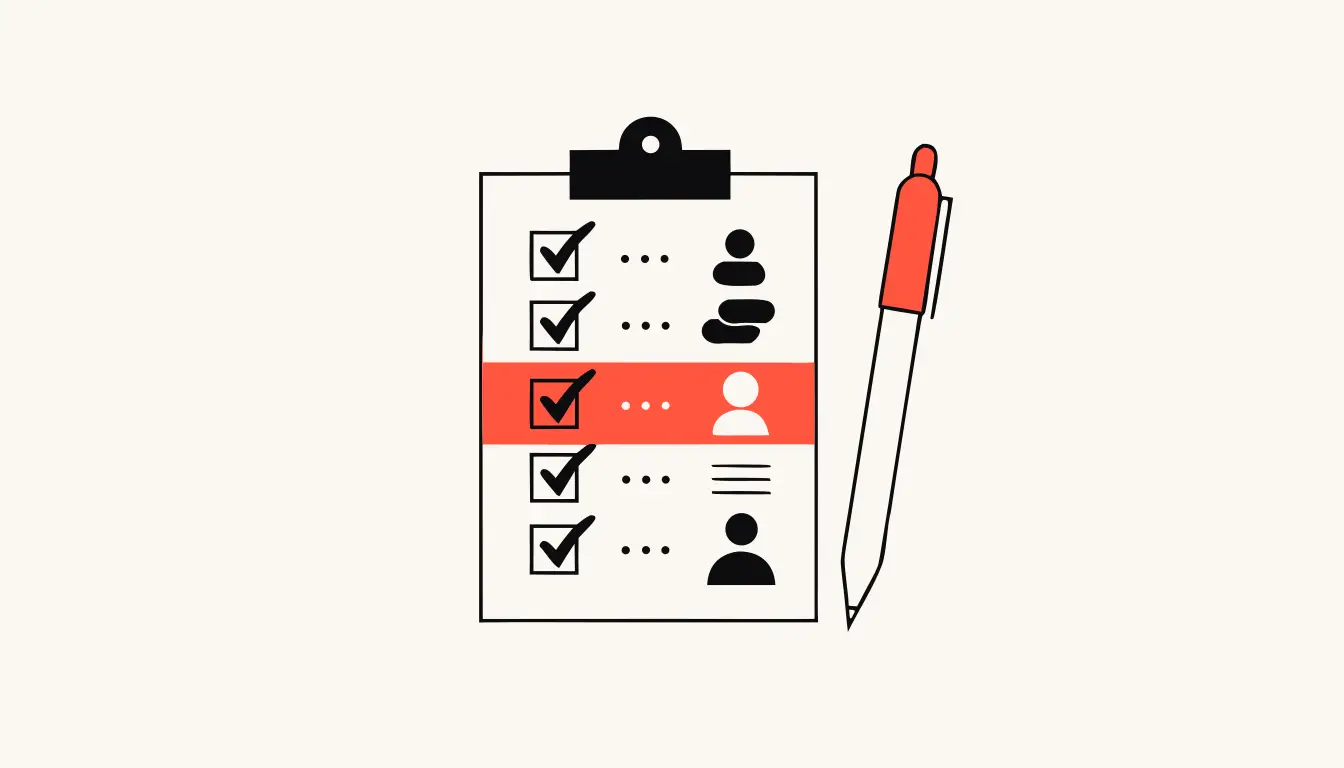 None of this is an argument against using AI. It is an argument for using it deliberately. A handful of habits separate the firms that get value from the ones that get a viral screenshot.
Scope it narrowly. Point the bot at a defined set of routine questions and let it say “let me pass you to a person” for anything else. A confident handover beats a confident wrong answer every time. Feed it only your own facts. Connect it to your real opening hours, policies, and prices, not the open internet, so it cannot improvise. Build in a human handover for anything to do with complaints, money, or a clearly upset customer.
Then test it before it goes live, including the awkward questions a real customer might ask, and keep an eye on the transcripts once it is running. Pick the right tool for the job as well. Our guide to the best AI tools for small business covers the options, and if you mainly want help drafting replies rather than a live bot, comparing ChatGPT, Claude and Gemini is a better place to start.
The bottom line
AI customer service works when it sticks to the routine and hands the rest to a person. It backfires when it is trusted with judgement it does not have, allowed to state things it cannot back up, or left unsupervised in public. Set the line carefully and test before you trust, and a chatbot earns its place. Get it wrong and it becomes the most expensive screenshot your business ever produced.
Want to explore AI for your business?
Book a free discovery call to discuss how AI can streamline your operations and unlock new opportunities.
calendar_today Book a discovery callEnjoyed this? Get The Boardroom AI Brief.
Every Tuesday, the 10 AI developments that actually matter for SMEs. One short email. Free.
Free · no spam · unsubscribe any time

// WRITTEN BY
James Anderson
AI and full-stack engineer helping SME owners understand and implement AI. Founder of AI in Business and host of the AI in Business channel on YouTube.
Learn more about James →[ MORE ] RELATED READING
You might also like.

// NEXT MOVE
Get the AI news that matters, every week.
Join The Boardroom AI Brief. One free email every Tuesday: the AI developments that matter for your business, rated for relevance and explained in plain English.