How Much Should a Small Business Spend on AI?
How much does AI cost a small business in 2026? A plain-English guide to real tool prices, a sensible AI budget for SMEs, the hidden costs, and where to start.

Everyone tells you to “use AI,” but nobody tells you what it should cost. If you run a small business, you need a number, not a lecture. This guide breaks down how much AI costs a small business in 2026, what a sensible budget looks like, and where the money quietly leaks.
In a nutshell: Most small businesses can get real value from AI for the price of a couple of software seats. The headline tools sit between $20 and $30 per person per month. The trick is not the sticker price. It is avoiding the hidden costs, resisting the urge to buy everything, and only paying for seats that earn their keep. Start small, measure what you save, then spend more once the numbers stack up.
1. How much does AI cost a small business in 2026?
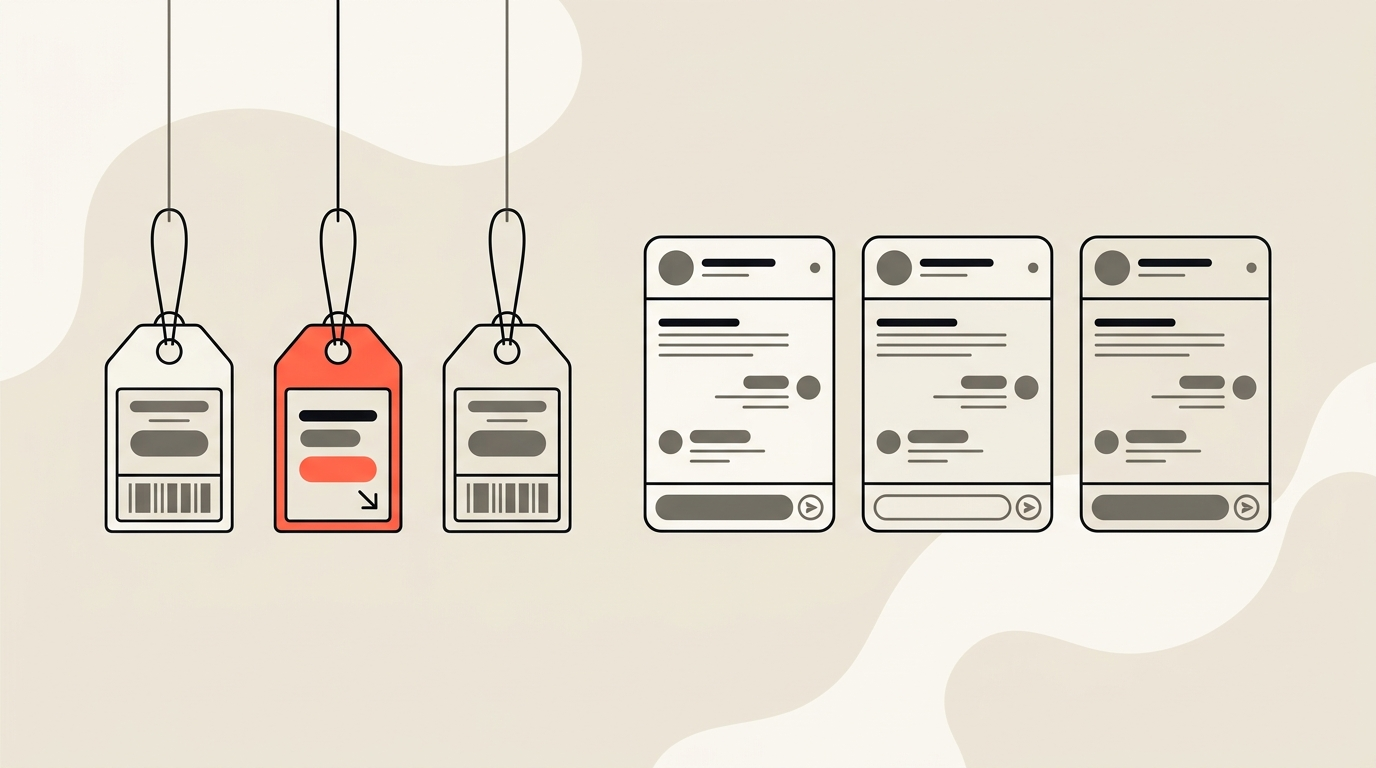 The good news is that the main tools are cheap and the prices are public. You do not need a big budget to start.
ChatGPT Business costs $20 per user per month on an annual plan, or $25 month to month, with a two-seat minimum, according to OpenAI’s pricing page. Anthropic’s Claude Team plan is priced the same way, at $20 a seat on an annual plan or $25 billed monthly, per Claude’s pricing page. If your team already lives in Microsoft, the Microsoft 365 Copilot add-on is $30 per user per month on top of a Microsoft 365 licence you already pay for, as listed on Microsoft’s pricing page. And Google has folded its Gemini assistant into every Google Workspace plan at no separate AI fee, so many businesses already have it, per Google’s pricing.
So the real answer is simple. For one or two people using a paid AI tool, you are looking at $20 to $60 a month. That is the floor. Everything above it is a choice, not a requirement.
2. Setting an AI budget for SMEs: a simple rule of thumb
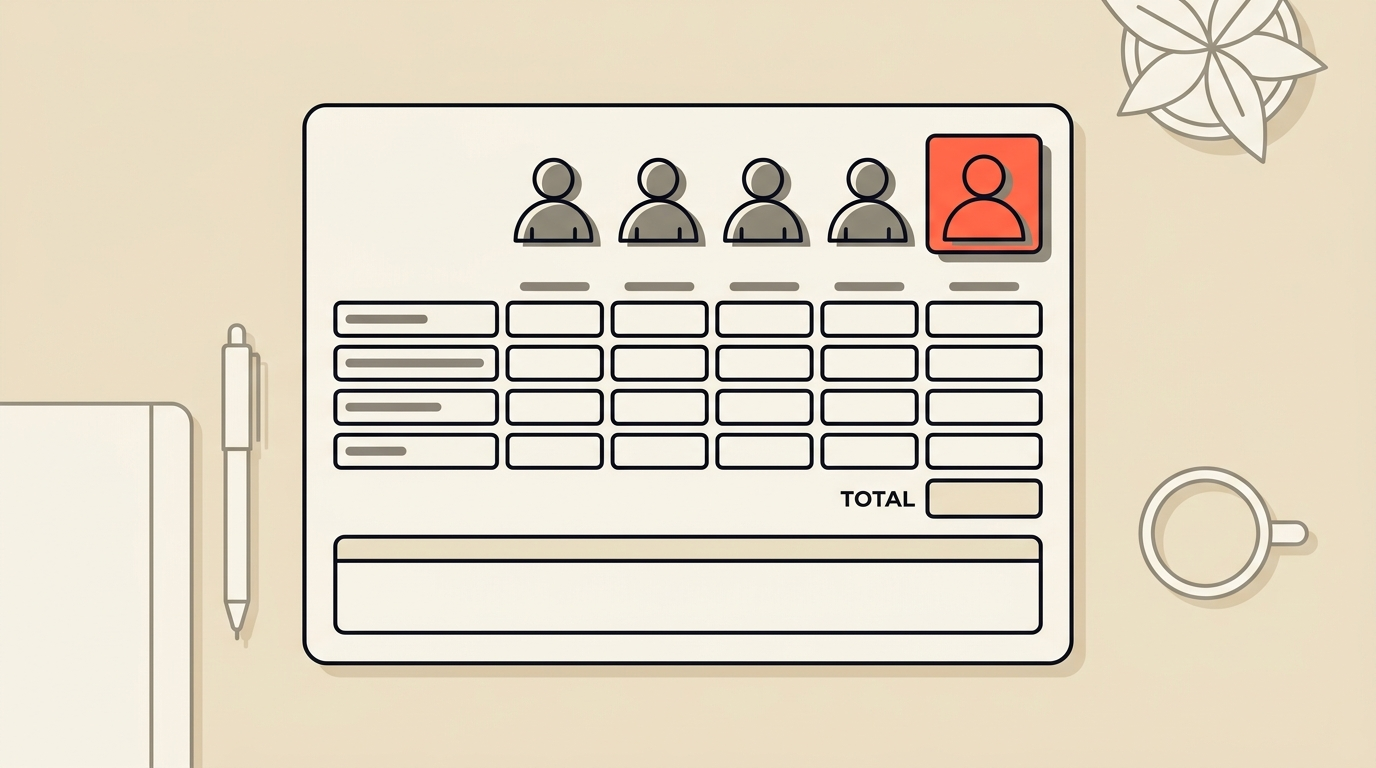 You do not need a fancy formula. You need a budget you will actually stick to.
A practical starting point is one paid seat for every person who would use AI daily, plus a small buffer for one or two specialist tools. For a five-person business, that might mean two or three paid seats and one extra subscription, so somewhere around $80 to $150 a month. That is a phone bill, not a mortgage. The point is to keep it small enough that you can drop it if it does not work, and clear enough that you know exactly what you are paying for.
Adoption is already the norm, so you are not early. The U.S. Chamber of Commerce found that 58% of small businesses use generative AI, up from 40% a year earlier, in its Empowering Small Business report. The businesses winning are not the ones spending the most. They are the ones spending on purpose.
3. The costs that never show up on the invoice
 The subscription is the easy part. The costs that catch people out are the ones nobody bills you for.
The first is time. Someone has to learn the tool, work out good prompts, and fold it into how the team works. Budget a few hours in the first fortnight, not zero. The second is subscription creep. It is easy to end up paying for four AI tools when two would do, because each one looked useful on the day you signed up. The third is the free-tier trap. Free plans are great for trying things out, but they often cap usage, hold back the better models, and offer weaker data protection, so they can cost you in wasted time and risk rather than money. Read the small print on how your data is used before you put anything sensitive in.
None of this is a reason to avoid AI. It is a reason to keep one person in charge of what you pay for, and to review the list every quarter.
4. A sensible way to spend your first month on AI
 Here is a plan that keeps the risk low and the learning high.
Start with free tiers for a fortnight to see which tasks AI actually helps with in your business. Then buy one paid seat for the person who will use it most, and give them a real job to do with it, such as drafting proposals or handling first-line customer replies. Measure one thing you can see, like hours saved or replies sent, for a month. If the seat pays for itself, add another. If it does not, cancel it and try a different use. This is how you turn spending into return rather than guesswork, and it is the heart of working out your AI ROI as a small business.
If you are still choosing between the big tools, our comparison of ChatGPT, Claude and Gemini and our round-up of the best AI tools for small business will save you a few hours. And if you have not started at all, use AI without a tech team is the place to begin.
The bottom line
Most small businesses should spend less on AI than they fear and think harder about it than they do. Begin with $20 to $60 a month, tie every seat to a real task, and only spend more once the savings are on the table.
Want to explore AI for your business?
Book a free discovery call to discuss how AI can streamline your operations and unlock new opportunities.
calendar_today Book a discovery callEnjoyed this? Get The Boardroom AI Brief.
Every Tuesday, the 10 AI developments that actually matter for SMEs. One short email. Free.
Free · no spam · unsubscribe any time

// WRITTEN BY
James Anderson
AI and full-stack engineer helping SME owners understand and implement AI. Founder of AI in Business and host of the AI in Business channel on YouTube.
Learn more about James →[ MORE ] RELATED READING
You might also like.


// NEXT MOVE
Get the AI news that matters, every week.
Join The Boardroom AI Brief. One free email every Tuesday: the AI developments that matter for your business, rated for relevance and explained in plain English.