F is for Fine-Tuning: What Is Fine-Tuning in AI, in Business Terms?
What is fine-tuning in AI? A plain-English guide for business owners: what it means, what it costs, and why most SMEs don't need it yet.

Fine-tuning is one of those AI terms that sounds more technical than it is. This is the next entry in our A to Z glossary, and it answers a simple question: what is fine-tuning in AI, and should your business care? Short version: probably not yet, and that is good news for your budget.
In a nutshell: Fine-tuning means taking an existing AI model, like the ones behind ChatGPT or Claude, and training it further on your own examples so it gets better at one specific job. It is how big firms build specialist AI for law, telecoms and medicine. But it costs real money, takes real effort, and most small businesses get the same result faster with better prompts or by giving the AI access to their documents. Know what it is, know when to say no to it.
1. What is fine-tuning in AI?
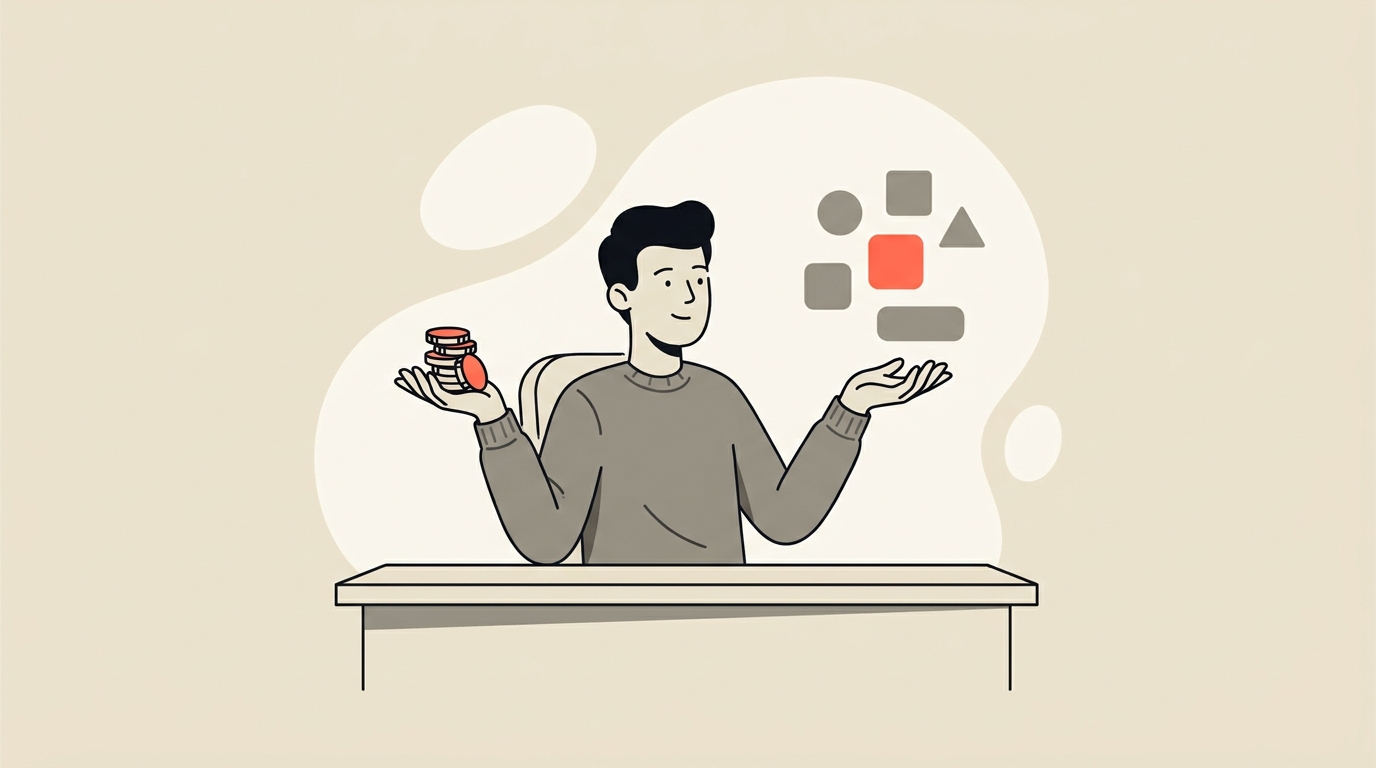
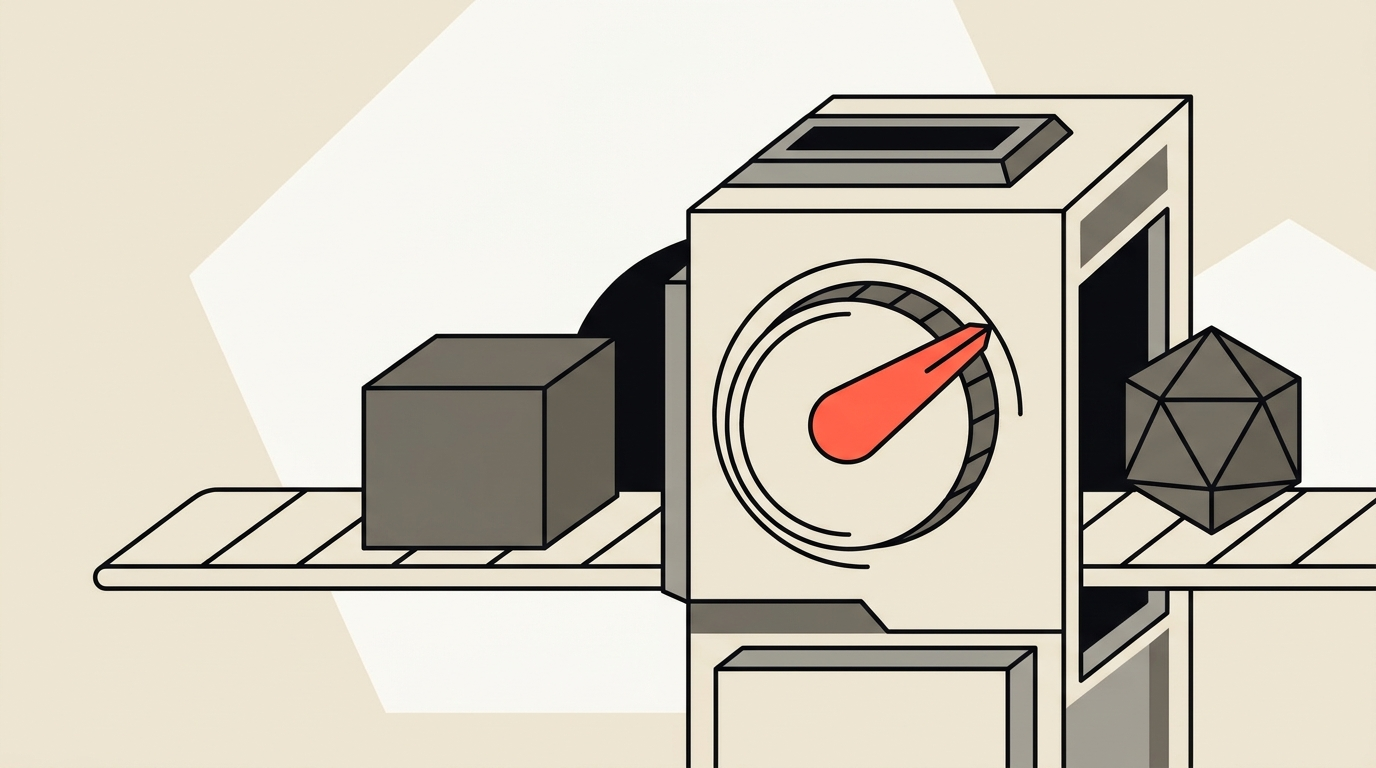 Every AI assistant you have used started life as a general model. It was trained on a huge slice of the internet, so it knows a bit about everything and everything about nothing. Fine-tuning is the process of taking that general model and training it further on a smaller, focused set of examples until it behaves the way you want for one particular task.
Think of it like hiring a smart graduate. On day one they have good general knowledge but no idea how your firm does things. Fine-tuning is the induction programme. You show them hundreds of examples of the job done properly, and they start producing work in your house style without being told every time.
The key point for business owners: fine-tuning changes the model itself. That is different from writing a better prompt, which just changes the instructions, and different from letting the AI read your documents, which just changes what it can look up. If you are still getting your head around the basics, start with our complete guide to AI for small business.
2. What fine-tuning looks like in the real world
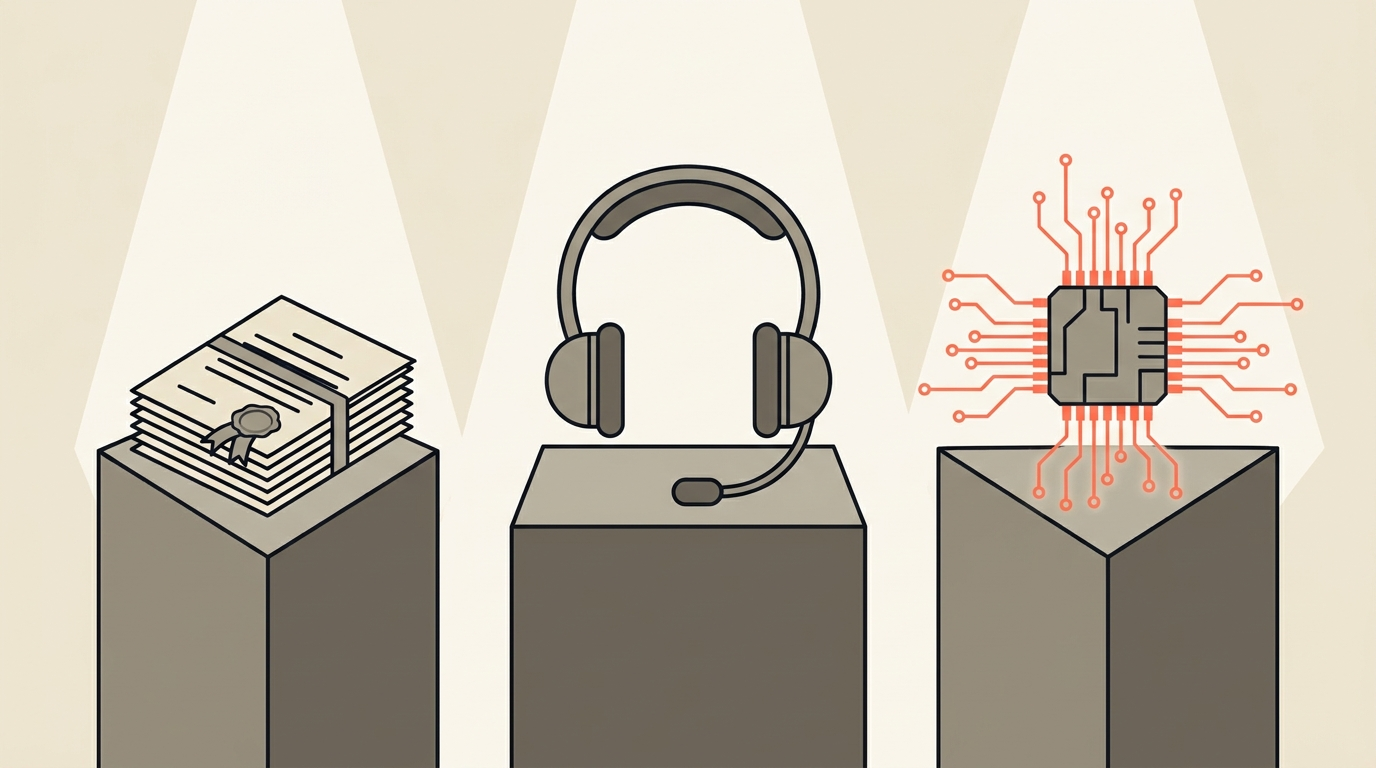 The clearest examples come from big firms with deep pockets. Harvey, the legal AI company, worked with OpenAI to build a custom model trained on case law. OpenAI reports that lawyers preferred the fine-tuned model’s answers over the standard GPT-4 97% of the time, and that it produced 83% more factual responses (OpenAI, Harvey case study).
SK Telecom, the South Korean phone operator, fine-tuned a model for its customer service team. OpenAI reports a 35% improvement in conversation summary quality, a 33% improvement in recognising what customers were asking for, and satisfaction scores rising from 3.6 to 4.5 out of 5 against the standard model (OpenAI fine-tuning announcement).
Notice what these have in common. Both firms had one high-volume, repetitive task. Both had thousands of examples of the job done well. And both had the budget to do it properly. That is the profile of a good fine-tuning candidate.
3. Do you need it? Prompting and RAG come first
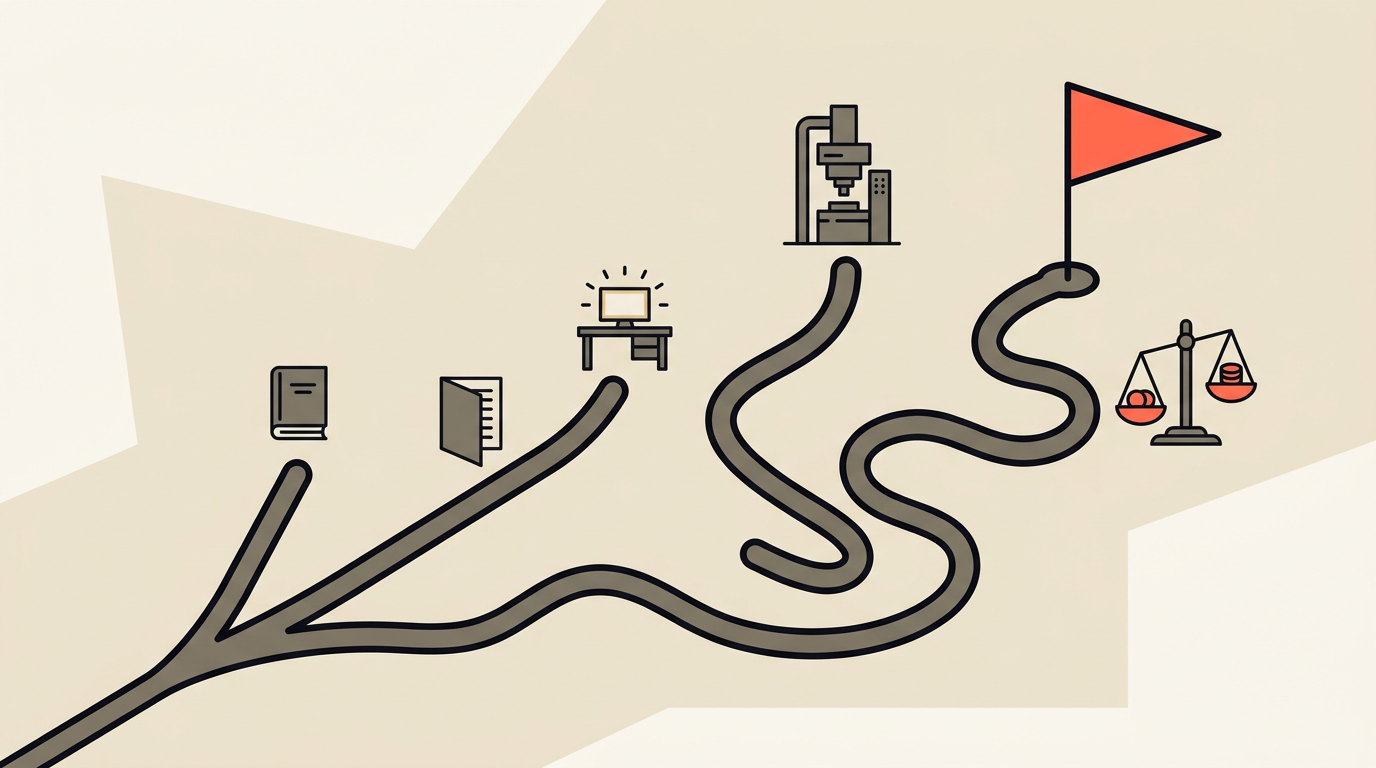 Here is the question that saves you money. Do you need the AI to know new facts, or behave in a new way? IBM’s guidance on this is blunt: if the problem is missing knowledge, fine-tuning is the wrong tool (IBM, RAG vs fine-tuning vs prompt engineering). If the AI does not know your prices, your policies or your product range, the fix is retrieval, often called RAG. That just means the AI looks things up in your documents before answering, and most modern tools do it out of the box when you upload files or connect a knowledge base.
If the AI knows enough but writes in the wrong tone or format, the fix is usually a better prompt. Clear instructions and two or three examples of good output solve most of it. For most SMEs comparing ChatGPT, Claude and Gemini, an off-the-shelf model plus good prompts covers the job.
If you do get as far as fine-tuning, it has two price tags. You pay to train the model on your examples, then a higher rate every time you use the custom version, because fine-tuned models cost more to run than standard ones. OpenAI publishes both sets of rates on its API pricing page. The bigger cost is usually hidden: someone has to collect, clean and format hundreds or thousands of good training examples, then test whether the new model is actually better.
The rule of thumb: fine-tuning earns its place when one task runs at serious volume, you have a large set of examples of it done well, and prompting and retrieval have hit their ceiling. If that is not you yet, keep the money. We cover how to think about this spend in our guide to what AI really costs and how to measure it.
The bottom line
Fine-tuning is real, powerful and almost certainly not your next step. Learn the term so nobody sells it to you before you need it. Better prompts and letting the AI read your documents will get most small firms 90% of the way there at a fraction of the cost.
Want to explore AI for your business?
Book a free discovery call to discuss how AI can streamline your operations and unlock new opportunities.
calendar_today Book a discovery callEnjoyed this? Get The Boardroom AI Brief.
Every Tuesday, the 10 AI developments that actually matter for SMEs. One short email. Free.
Free · no spam · unsubscribe any time

// WRITTEN BY
James Anderson
AI and full-stack engineer helping SME owners understand and implement AI. Founder of AI in Business and host of the AI in Business channel on YouTube.
Learn more about James →[ MORE ] RELATED READING
You might also like.

// NEXT MOVE
Get the AI news that matters, every week.
Join The Boardroom AI Brief. One free email every Tuesday: the AI developments that matter for your business, rated for relevance and explained in plain English.