AI ROI: What AI Really Costs and How to Measure It
AI ROI for small business, explained plainly: what AI really costs, how much to spend, how to measure the return, and why most projects fail.
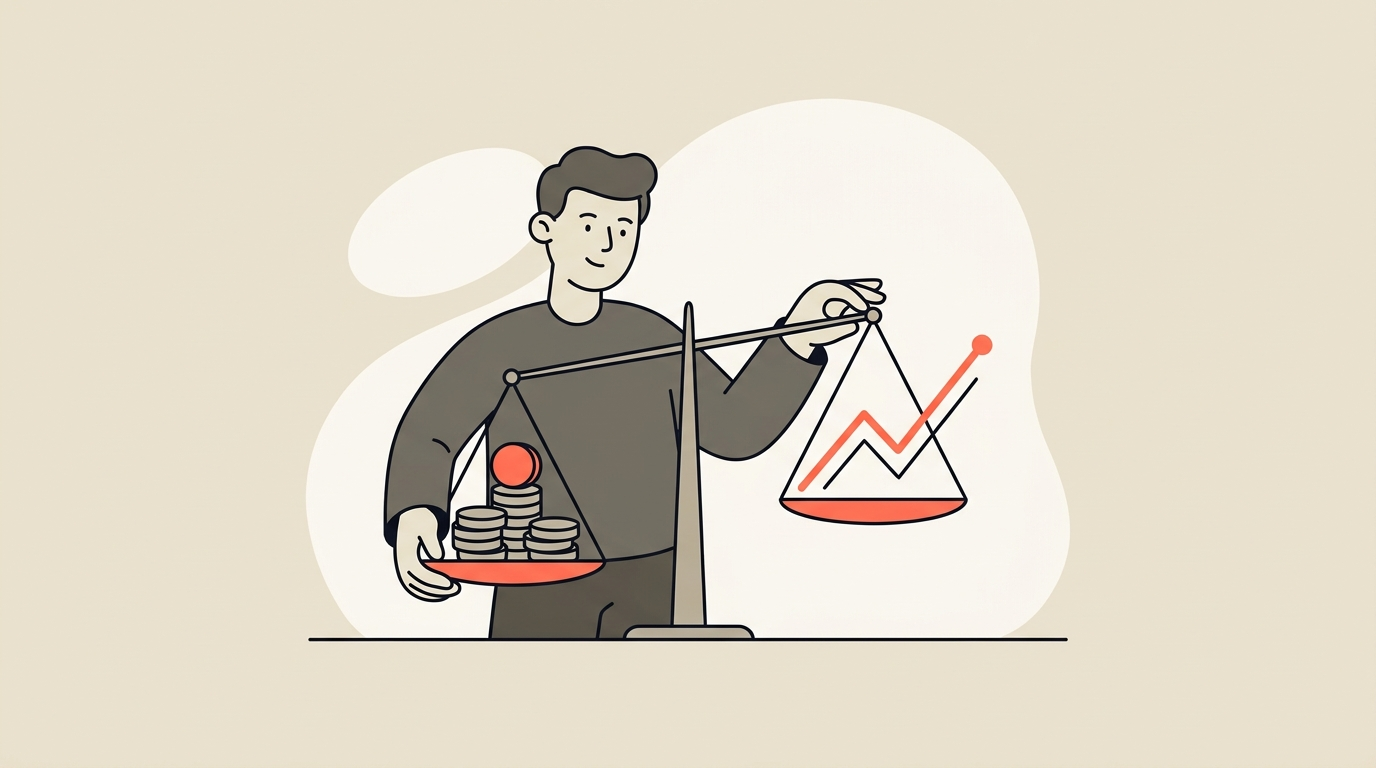
Every AI tool promises to save you time and money. Far fewer tell you what they really cost, or how to prove the money came back. This guide breaks down AI ROI for a small business in plain terms, so you can spend with your eyes open and know a good result when you see one.
In a nutshell: The sticker price of an AI tool is only part of the bill. The real cost includes setup, training, and the hours your team spends learning it. Most small businesses do see a return, but only when they measure the right things and start small. The safest way in is a short pilot on one job, with a clear before and after. AI projects rarely fail because the technology is weak. They fail because the tool does not fit the work, or nobody checked whether it paid off.
1. What AI really costs, beyond the monthly fee
The price you see on the website is rarely the price you pay. Take Microsoft 365 Copilot, one of the most common business tools. It lists at around 21 US dollars per user per month, but that sits on top of a paid Microsoft 365 licence you also need. So the true figure per person is higher than the headline suggests. Most tools work the same way.
Then there are the costs that never appear on an invoice. Someone has to set the tool up, connect it to your systems, and tidy the data it works from. Your team needs time to learn it, and that time is not free. Subscriptions also stack up quietly. A tool here, an add-on there, and within months you are paying for five things when two would do.
None of this means AI is expensive. It means you should count the whole bill before you judge the return. For a real-world sense of what a working owner actually pays for, see my honest AI tool stack.
2. How much a small business should spend to start

Start small and let results decide the budget. You do not need a big platform or a consultant to begin. A handful of paid seats on a mainstream tool, costing perhaps 20 to 30 US dollars per user each month, is enough to test whether AI earns its keep in your business.
Spend it where the payback is clearest. MIT’s 2025 study of company AI use found the biggest returns came not from flashy sales and marketing tools, but from back-office work: cutting admin, reducing outside agency costs, and streamlining routine operations. That is the unglamorous stuff, and it is often where a smaller business has the most to gain.
Before you buy, get clear on what the job is worth today. For a map of where AI actually delivers, see what businesses really use AI for, and to compare the mainstream options, our guide to the best AI tools for small business.
3. How to measure AI ROI in a small business
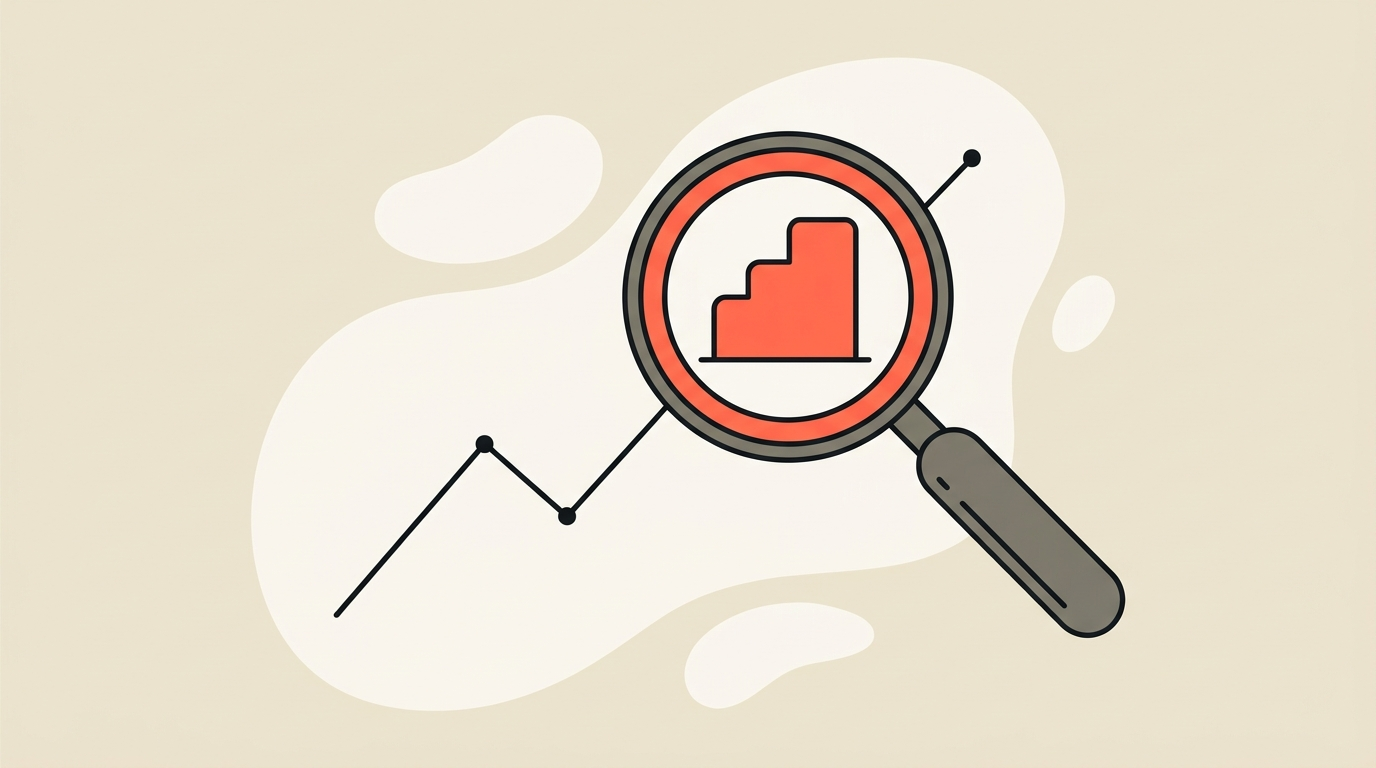
Time saved is the easiest thing to measure and the easiest to fool yourself with. An hour saved is only worth something if that hour goes into work that grows the business. So measure the outcome, not just the clock.
There is good evidence the gains are real when you look properly. A large field study by economists at Stanford and MIT gave a generative AI assistant to more than 5,000 customer support agents. It lifted the number of issues resolved per hour by 14 percent on average, and by 34 percent for the newest and least experienced staff. It also improved customer satisfaction and staff retention. Those last two are the kind of second-order gains a simple time-saved figure misses entirely.
Keep the maths simple. Pick one job. Note what it costs you now in hours, errors, or lost sales. Add up what the tool costs you in full, using the real numbers from section one. Then track the same measures for a few weeks after you switch. If the value created is comfortably more than the total cost, you have your answer. If it is close, the tool is probably not the right one yet.
4. Run a 90-day pilot before you commit
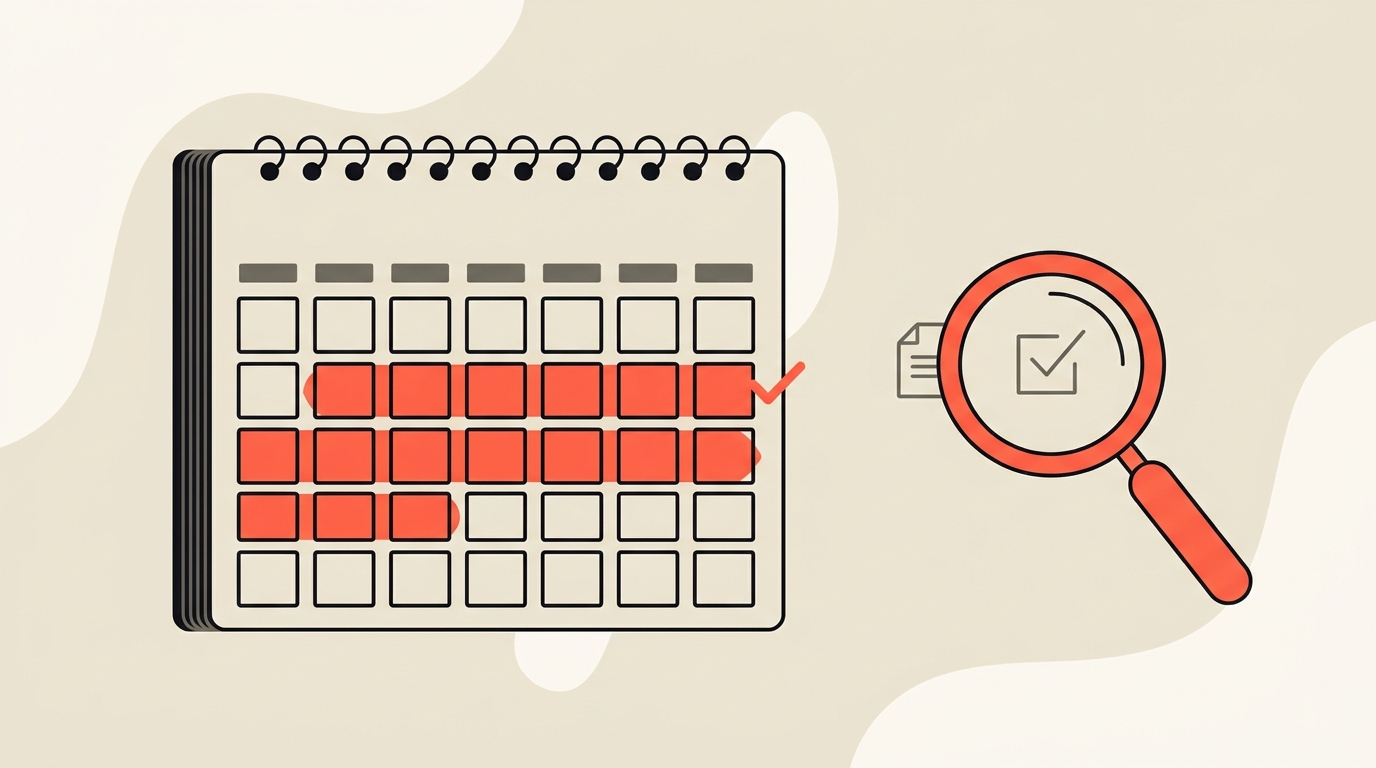
The best way to protect your money is to test on a small scale first. A 90-day pilot gives you enough time to see real results without betting the business on a hunch.
Pick one task that eats time every week. Write down how it works today and what it costs. Give the tool to one or two people, not the whole team, and let them use it properly for the full three months. Check in each month against your starting numbers. At the end you will have a clear before and after, and a decision that rests on evidence rather than a sales pitch.
If you are not sure where to begin, our guide on how to start using AI without a tech team walks through the first steps in plain English.
5. Why AI projects fail, and how to avoid it
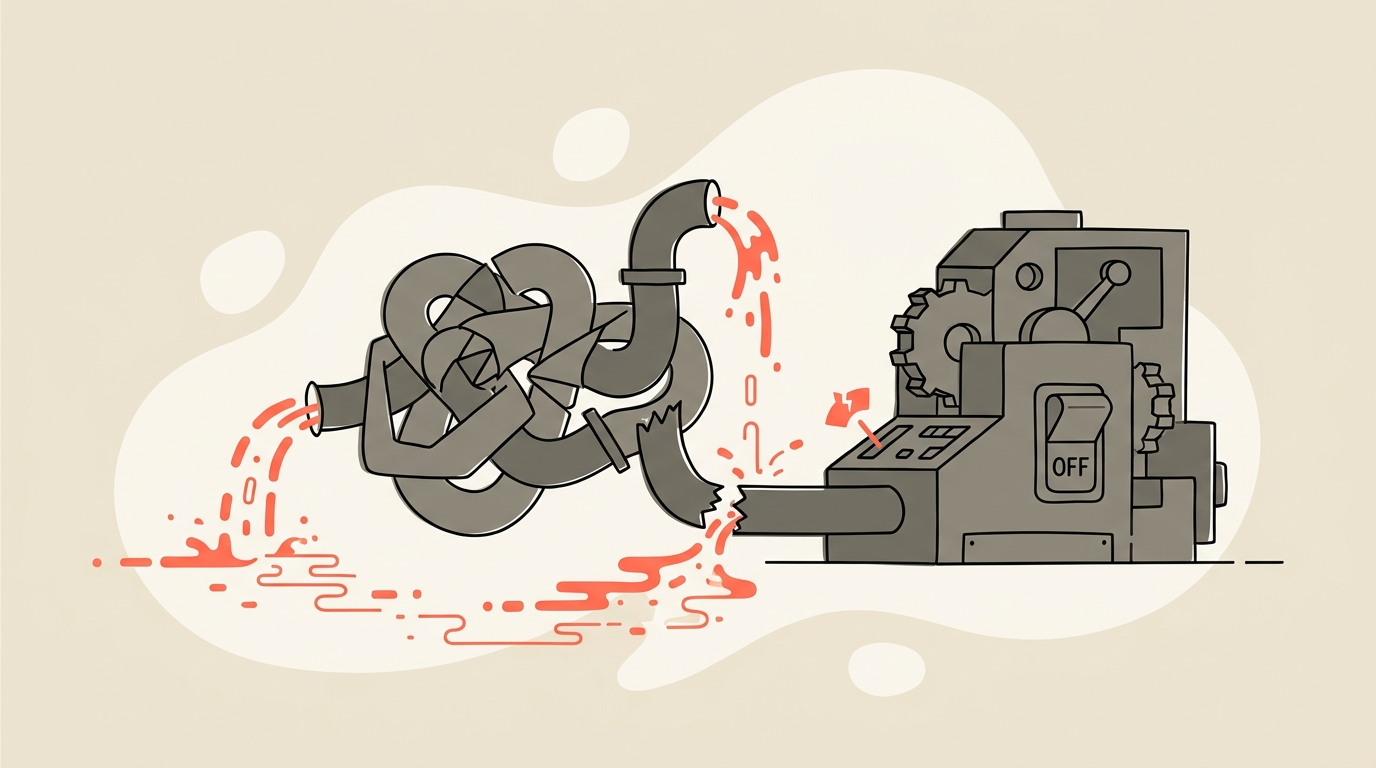
Here is the number that should shape how you spend. That same MIT study found about 95 percent of company AI pilots delivered no measurable return, despite tens of billions of dollars spent. The failures were rarely about weak technology. They came from tools that did not fit how people actually work, and from nobody checking whether the money came back.
Bad data is the other quiet killer. When a tool is fed messy or incomplete information, its output cannot be trusted, and the project stalls. We covered this in the real reason AI projects fail, and it is worth reading before you commit.
The lesson is not to avoid AI. It is to avoid the trap the failures fell into. Fit the tool to a real job, feed it clean information, keep a person accountable for the result, and always, always measure. Do that and you are already ahead of most of the firms spending far more than you.
The bottom line
AI can pay for itself, but only if you count the whole cost and measure the whole return. Start with one job, run a short pilot, and let the numbers decide. The businesses that win with AI are not the ones that spend the most. They are the ones that spend deliberately and check their work.
Want to explore AI for your business?
Book a free discovery call to discuss how AI can streamline your operations and unlock new opportunities.
calendar_today Book a discovery callEnjoyed this? Get The Boardroom AI Brief.
Every Tuesday, the 10 AI developments that actually matter for SMEs. One short email. Free.
Free · no spam · unsubscribe any time

// WRITTEN BY
James Anderson
AI and full-stack engineer helping SME owners understand and implement AI. Founder of AI in Business and host of the AI in Business channel on YouTube.
Learn more about James →[ MORE ] RELATED READING
You might also like.


// NEXT MOVE
Get the AI news that matters, every week.
Join The Boardroom AI Brief. One free email every Tuesday: the AI developments that matter for your business, rated for relevance and explained in plain English.