
AI News, 11 July 2026: OpenAI Bets Big on Agents That Do the Work
OpenAI launches ChatGPT Work, enterprises face an AI oversight gap, the NYT lawsuit heats up, Atlas gets axed, and where the smart money is going.
Another busy week, and most of it points one way: the tools are moving from answering questions to actually doing the job. Here is what matters for your business, in plain English, with the technical noise stripped out.
In a nutshell: OpenAI launched ChatGPT Work, an agent that carries out multi-step tasks across your email, calendar and chat apps. At the same time, a survey shows firms are handing agents real autonomy faster than they can check the work, which is a risk worth watching. The New York Times and a group of publishers are pushing a judge to punish OpenAI in their copyright case. OpenAI also killed its Atlas browser and folded it into ChatGPT. And the latest funding rounds show where the money is going: AI for tradespeople, defence and small shops.
1. OpenAI launches ChatGPT Work, an agent that does the admin
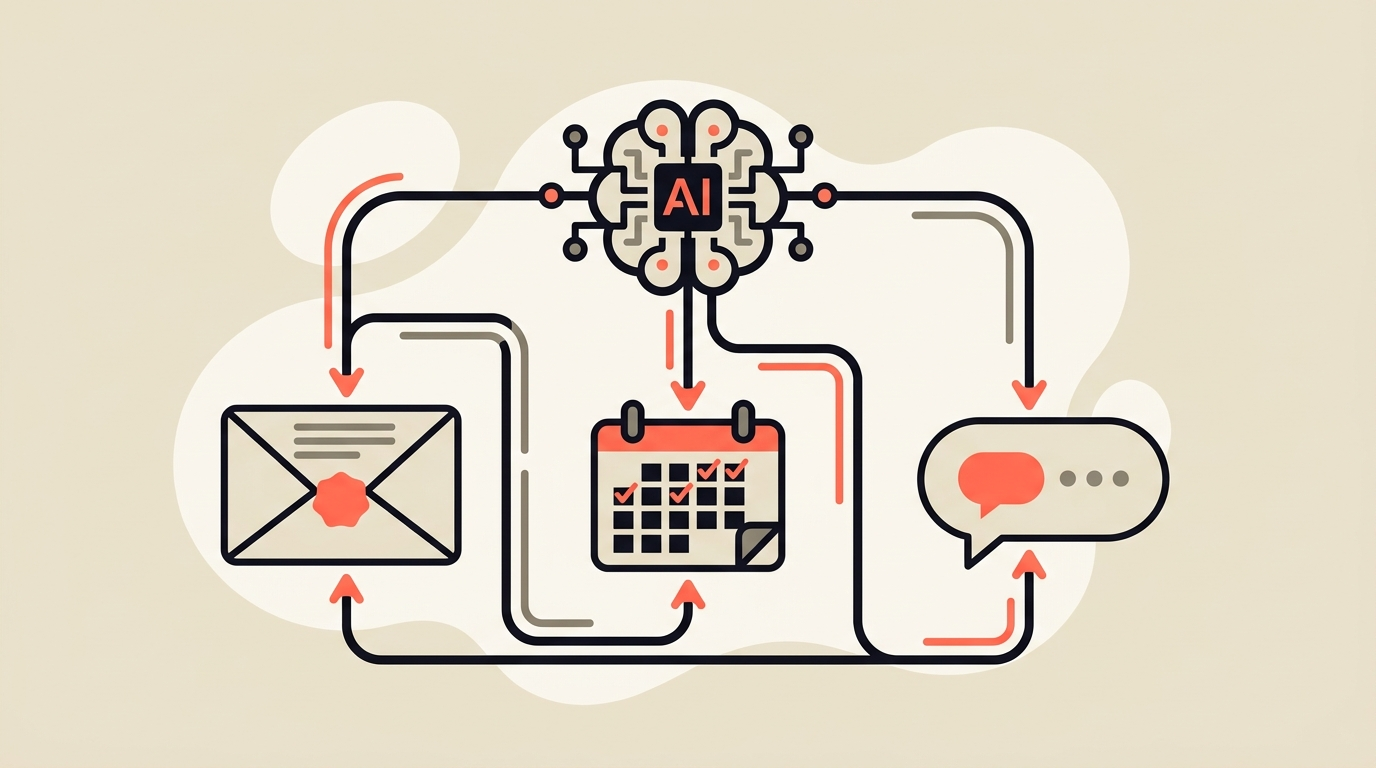 OpenAI has launched ChatGPT Work, an agent built into ChatGPT that takes on multi-step jobs rather than just answering questions. You give it an outcome, and it breaks the task into steps and works away at it, in some cases for hours, before handing back a finished document, spreadsheet, presentation or report. It is powered by the firm’s latest model, GPT-5.6.
The point of difference is the connections. ChatGPT Work plugs into the tools your team already uses, including Gmail, Google Calendar, Google Drive, Slack and GitHub. OpenAI’s own examples are the sort of admin that eats a week: refreshing a recurring meeting agenda from new Slack messages, checking a dashboard each morning and sending a summary of what changed, or updating a deck when feedback lands by email. It is rolling out first to Pro, Enterprise and Edu users, then to Plus and Business accounts.
What this means for you: This is the clearest sign yet that AI can take routine admin off your plate. Pick one repetitive weekly task, hand it over as a trial, and check the output closely before you trust it with anything that touches a customer.
2. Firms are handing AI agents the keys faster than they can check them
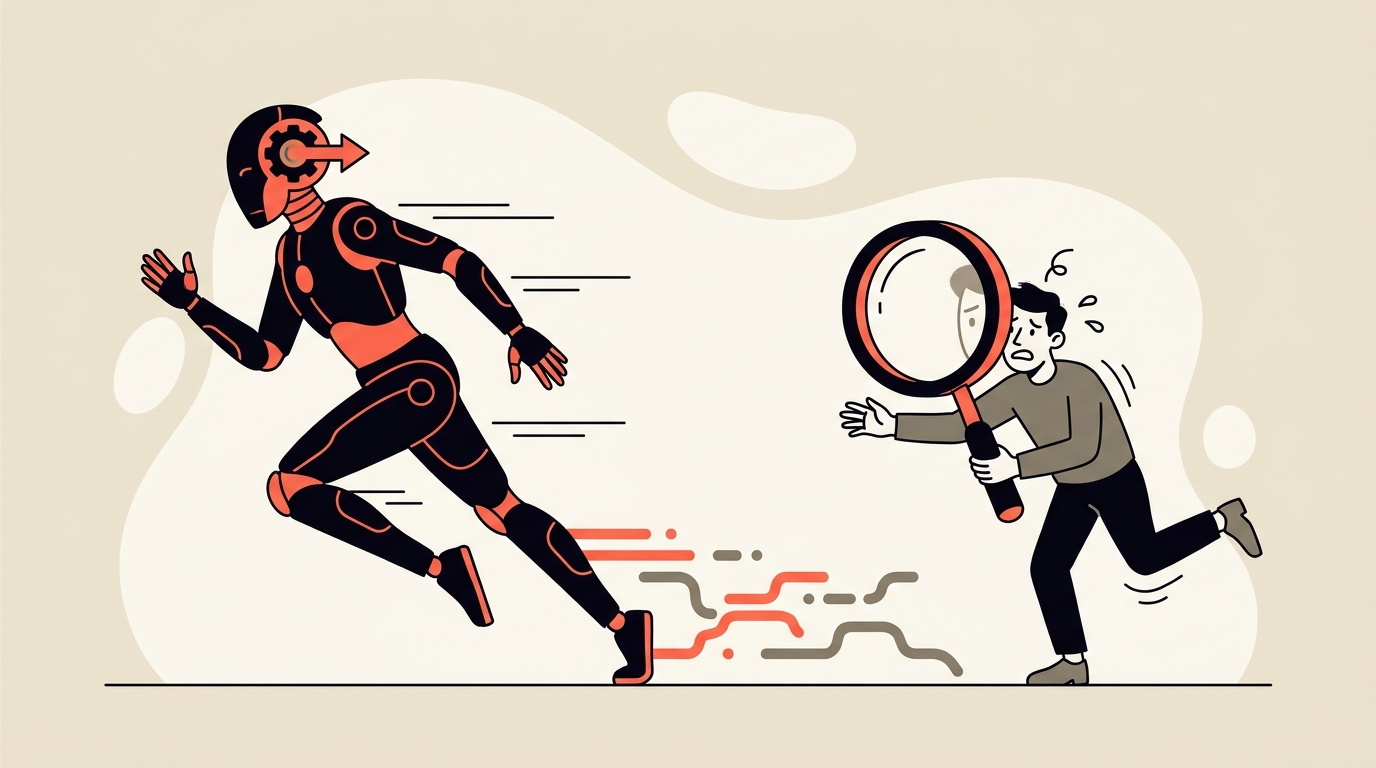 A new survey from VentureBeat lands a useful warning next to all the launch excitement. Half of the enterprises it polled said they had put an AI agent or feature into live use after it passed their own internal tests, and it still caused a customer-facing failure. One in four had it happen more than once.
The reason is a gap between ambition and assurance. Two thirds of respondents already allow some AI to act in production without a human checking first, or plan to within a year. Yet only 5 percent said they fully trust the automated tests that are meant to catch problems before they reach a customer. The survey covered 157 firms with 100 or more staff, so this is not a fringe worry.
What this means for you: Speed is not the same as safety. Before you let an agent act without a person in the loop, decide which tasks are low risk enough to automate and keep a human check on anything that can lose you a customer or a pound.
3. The New York Times wants OpenAI punished in court
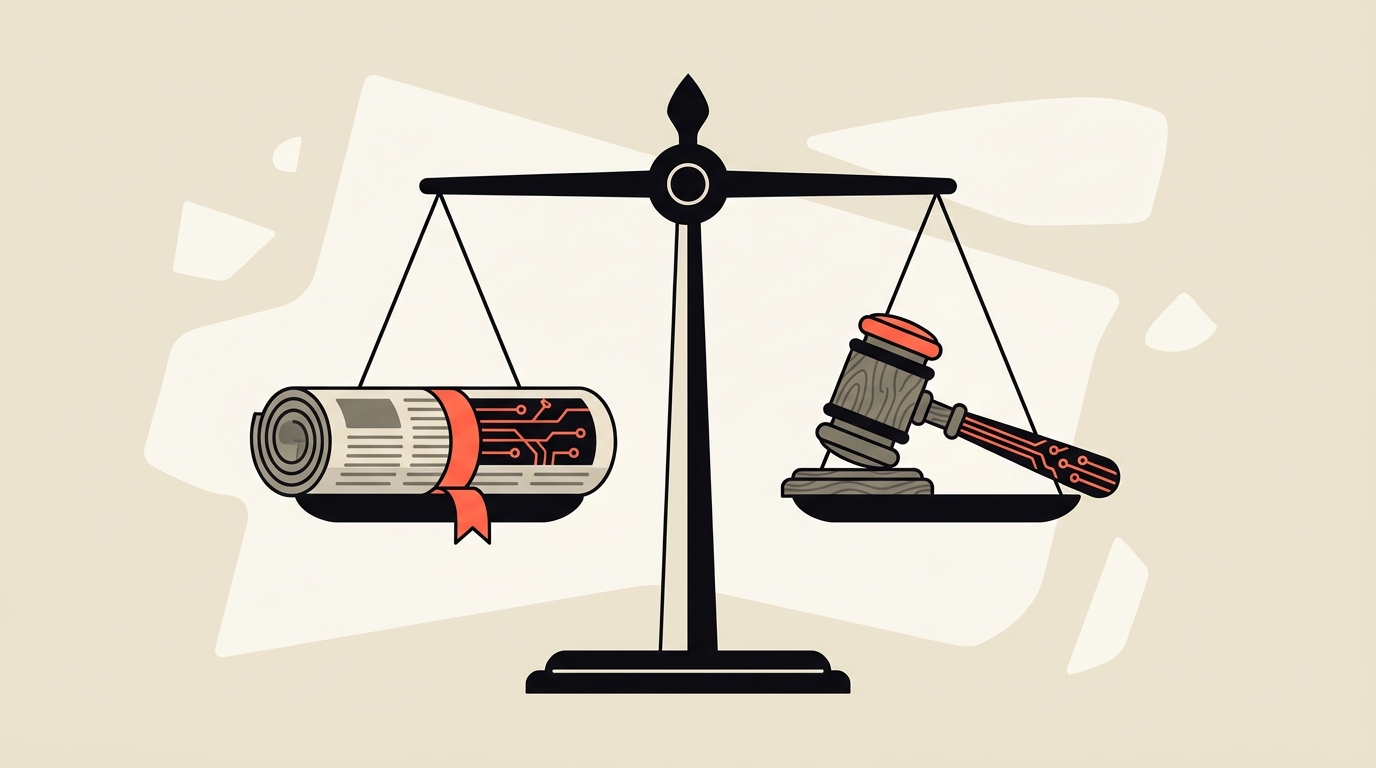 The copyright fight between the news industry and OpenAI just got sharper. The New York Times, the Daily News and several other publishers have asked a federal judge to sanction OpenAI, accusing it of hiding evidence for more than two years. Their filing claims OpenAI told the court it could not search its training data or chat logs for their articles, when in fact it could and had.
The publishers also say OpenAI deleted or made unsearchable billions of ChatGPT conversations that were relevant to the case. They are asking the court to penalise the company, including instructing a future jury to treat the missing evidence as damaging. OpenAI has not conceded the claims, and the case is still running.
What this means for you: The rules on what these tools were trained on are still being written in court. If your business relies on AI for anything customer-facing, keep a note of which tools you use and treat the legal ground as unsettled for now.
4. OpenAI shuts its Atlas browser and moves it into ChatGPT
 Less than a year after launch, OpenAI is shutting down Atlas, its standalone web browser. The agent features that made Atlas interesting are being folded into the ChatGPT desktop app and a Chrome extension, so the same capability turns up in the tools people already use. The standalone browser is set to be retired in early August.
The move fits a wider tidy-up at the company, which has been cutting what its leadership called “side quests” to focus on its core products. It is a reminder that even the biggest players launch things, learn, and pull them fast.
What this means for you: Be careful about building a core process on a brand new AI product. Favour tools that plug into what you already run, so you are not left stranded if a shiny standalone app gets pulled.
5. Where the smart money is going: AI for trades, defence and small shops
 If you want to see where AI is heading next, follow the funding. This month’s notable rounds are not chatbots. Probook, a New York startup building an AI operating system for home service businesses like plumbers, electricians and heating engineers, raised 40 million dollars to replace the tangle of software many contractors juggle with a single system built around dispatch.
Two others stand out. Pie raised 23.7 million dollars to bring AI to small firms such as coffee shops and neighbourhood restaurants. And Traysar came out of stealth with 25 million dollars for underground defence technology. The theme is clear: investors are backing AI aimed at real, everyday operators, not just big tech.
What this means for you: The useful AI for a business like yours is increasingly being built for exactly your world. It is worth a look at whether a tool now exists for your trade or sector that did not a year ago.
The bottom line
The story of the week is agents that finish jobs, not just answer questions, and that is a real opportunity to take admin off your plate. The catch is oversight: give these tools a task, watch the output, and keep a human check on anything that touches a customer until you have earned the trust.
Want to explore AI for your business?
Book a free discovery call to discuss how AI can streamline your operations and unlock new opportunities.
calendar_today Book a discovery callEnjoyed this? Get The Boardroom AI Brief.
Every Tuesday, the 10 AI developments that actually matter for SMEs. One short email. Free.
Free · no spam · unsubscribe any time

// WRITTEN BY
James Anderson
AI and full-stack engineer helping SME owners understand and implement AI. Founder of AI in Business and host of the AI in Business channel on YouTube.
Learn more about James →[ MORE ] RELATED READING
You might also like.

// NEXT MOVE
Get the AI news that matters, every week.
Join The Boardroom AI Brief. One free email every Tuesday: the AI developments that matter for your business, rated for relevance and explained in plain English.