
AI News, 13 July 2026: Why Cheaper AI Might Not Cut Your Bill
New data shows AI agents are mostly doing admin, Altman reverses his jobs warning, LinkedIn fills with AI writing, OpenAI splits its models into tiers, and cheaper AI still may not lower your bill.

Most of the noise this week is really one question for business owners: is AI actually saving you money and time, or just moving the work around? Here are the five stories that matter.
In a nutshell: New Anthropic data shows most people using AI agents aren’t coding, they’re clearing the admin nobody wants to own. Sam Altman has quietly reversed his own warning about mass job losses. A big study found nearly half of long LinkedIn posts are now written by AI. OpenAI has split its newest models into three tiers so you pick the right one for the job. And DeepSeek made AI 75% cheaper, yet your bill may not be falling. Here is what each one means for your business.
1. Most people using AI agents aren’t coding, they’re doing the admin nobody wants
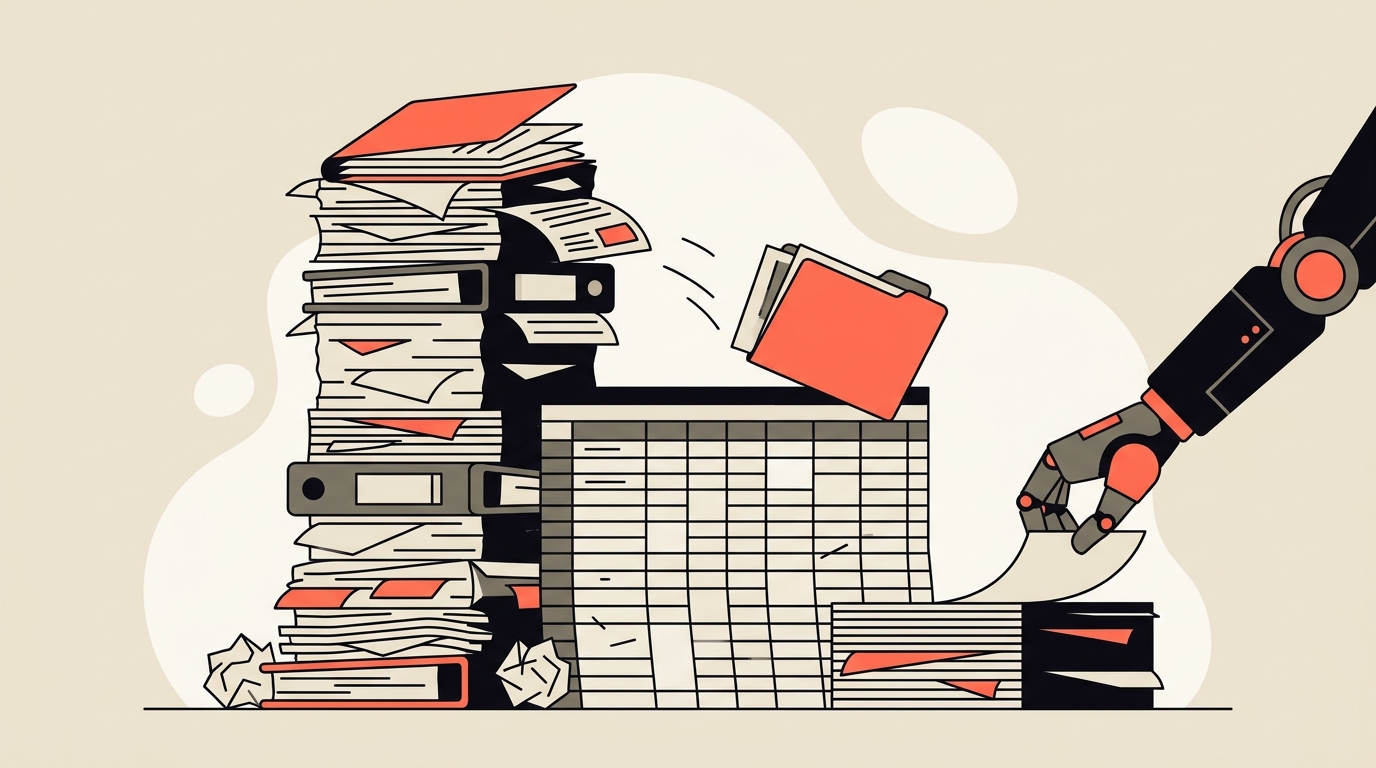
Anthropic looked at 1.2 million sessions from its Claude Cowork agent, across more than 600,000 organisations. About half of all that usage went to what it calls “the work around the work”, the tasks that are nobody’s main job but sit on top of almost every role.
The biggest single category was business process and operations at 33.4%, things like pulling scattered updates into one report or reconciling a spreadsheet. Content and copywriting came next at 16.4%. Actual software coding was only 8.7%.
What this means for you: The fastest win from AI right now is not some grand transformation. It is handing over the routine admin that quietly eats your team’s week. Start there.
2. OpenAI’s Altman now says AI is creating jobs, not killing them

Sam Altman, who once warned that AI would wipe out swathes of entry-level white-collar work, now says he is “pretty sure” AI has created more jobs than it has removed. “I’m delighted to be wrong about this,” he said, admitting the damage he expected has not shown up.
It is worth keeping some balance. Goldman Sachs economists still estimate AI is linked to roughly 11,000 net US job losses a month, so the picture is mixed rather than settled.
What this means for you: Do not hire or fire on the back of a headline. The honest read is that AI is reshaping roles faster than it is deleting them, so the smart move is retraining your people, not replacing them.
3. Nearly half of long LinkedIn posts are now written by AI

A study by detection firm Pangram sampled just over a million posts across five platforms over two months. It found that one in four long-form posts, meaning anything over 250 words, was fully AI-generated. LinkedIn was the worst offender, with 41% of its long posts flagged as machine-written.
LinkedIn alone accounted for 62% of all the AI content Pangram flagged, despite being only a third of what it scanned. Short posts were not much better, with 30% flagged as fully AI.
What this means for you: If your brand sounds like everyone else’s, that is because it might literally be the same tool writing it. Real voice, real stories and a real point of view are now the thing that stands out.
4. OpenAI’s new models make you pick the right tool for the job
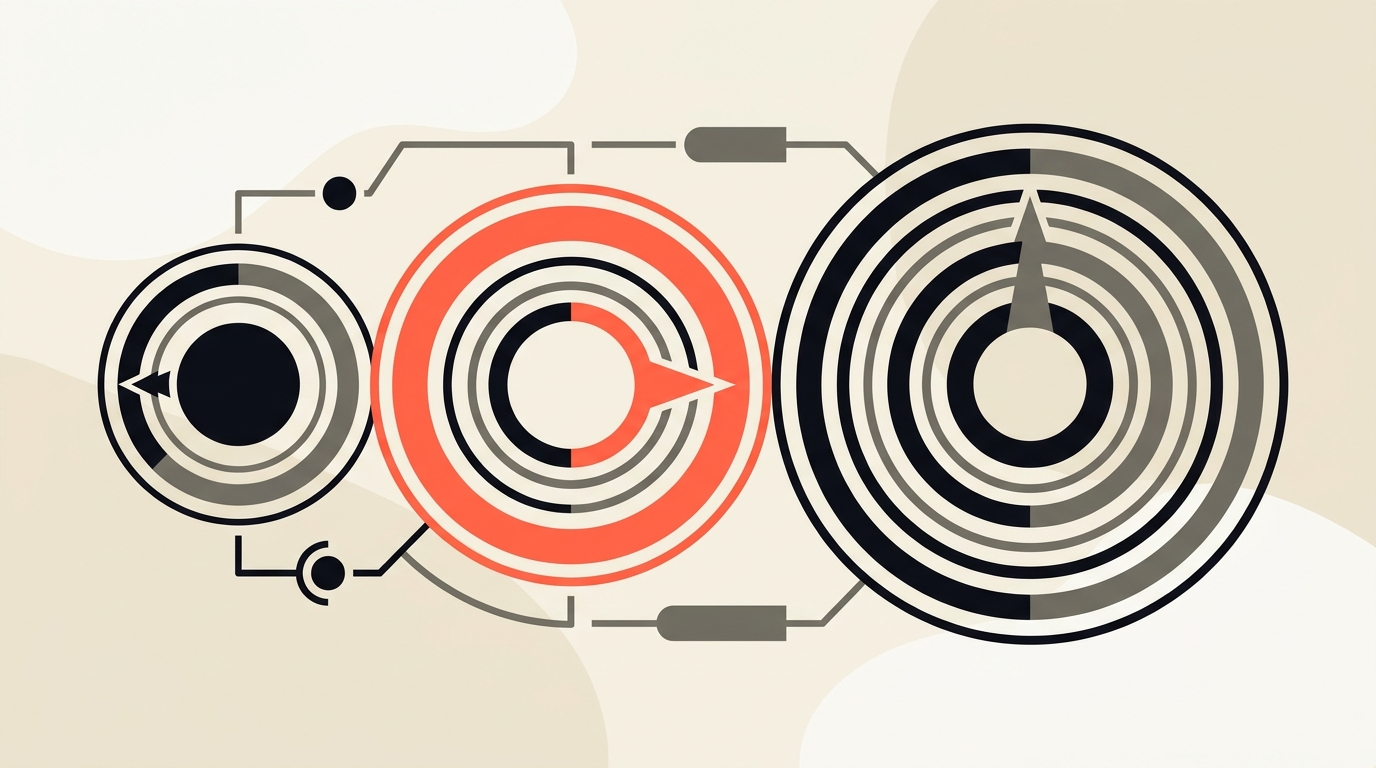
OpenAI has released its GPT-5.6 line in three flavours: Sol, the top-end model, Terra, the balanced everyday one, and Luna, the fast and cheap option. Axios published a plain guide this week on choosing between them.
The point is that you no longer default to the biggest model for everything. Terra matches last generation’s performance at half the cost, and Luna is built for speed and low price on simpler jobs.
What this means for you: Match the model to the task. Drafting a quick email does not need your most expensive option. Picking sensibly can cut your AI spend without you noticing any drop in quality.
5. AI got 75% cheaper, so why isn’t your bill falling?

DeepSeek made a 75% price cut on its flagship V4-Pro model permanent, undercutting Western rivals by a wide margin. On paper that should slash what everyone pays to run AI.
The catch, as VentureBeat set out, is that the newest AI agents chew through vastly more of the underlying “tokens” than a simple chatbot did. They loop through your files and data again and again, so usage can climb faster than prices fall. Cheaper per unit does not mean cheaper overall.
What this means for you: Watch your usage, not just the sticker price. As you move from simple chatbots to agents that run for hours, keep an eye on what they actually consume, or the savings you were promised quietly disappear.
The bottom line
The theme this week is simple. AI is getting cheaper and more capable, but the value only shows up if you point it at the right work and keep an eye on what it costs to run. Hand it your admin, keep your human voice, match the tool to the task, and watch usage as closely as price.
Want to explore AI for your business?
Book a free discovery call to discuss how AI can streamline your operations and unlock new opportunities.
calendar_today Book a discovery callEnjoyed this? Get The Boardroom AI Brief.
Every Tuesday, the 10 AI developments that actually matter for SMEs. One short email. Free.
Free · no spam · unsubscribe any time

// WRITTEN BY
James Anderson
AI and full-stack engineer helping SME owners understand and implement AI. Founder of AI in Business and host of the AI in Business channel on YouTube.
Learn more about James →[ MORE ] RELATED READING
You might also like.


// NEXT MOVE
Get the AI news that matters, every week.
Join The Boardroom AI Brief. One free email every Tuesday: the AI developments that matter for your business, rated for relevance and explained in plain English.