AI News, 14 July 2026: Who Really Owns Your AI Advantage?
CEOs weigh up agentic AI, Apple sues OpenAI over trade secrets, Anthropic keeps Fable 5 free longer, Nadella says you pay for AI twice, and a new model learns to think in pictures.
This week’s AI news is really about one thing: control. Who owns the data, the talent, the models and the risk as AI gets more capable. Here are the five stories that matter.
In a nutshell: Thirty-four CEOs shared what excites and scares them about agentic AI, and security topped the worry list. Apple is suing OpenAI over stolen trade secrets, with some eye-catching claims. Anthropic is keeping its Fable 5 model free for subscribers a little longer as the price war heats up. Microsoft’s Satya Nadella warns you are paying for AI twice, once with money and once with your know-how. And a new startup is building AI that thinks in pictures, not just words. Here is what each one means for your business.
1. What 34 CEOs say excites and scares them about AI agents
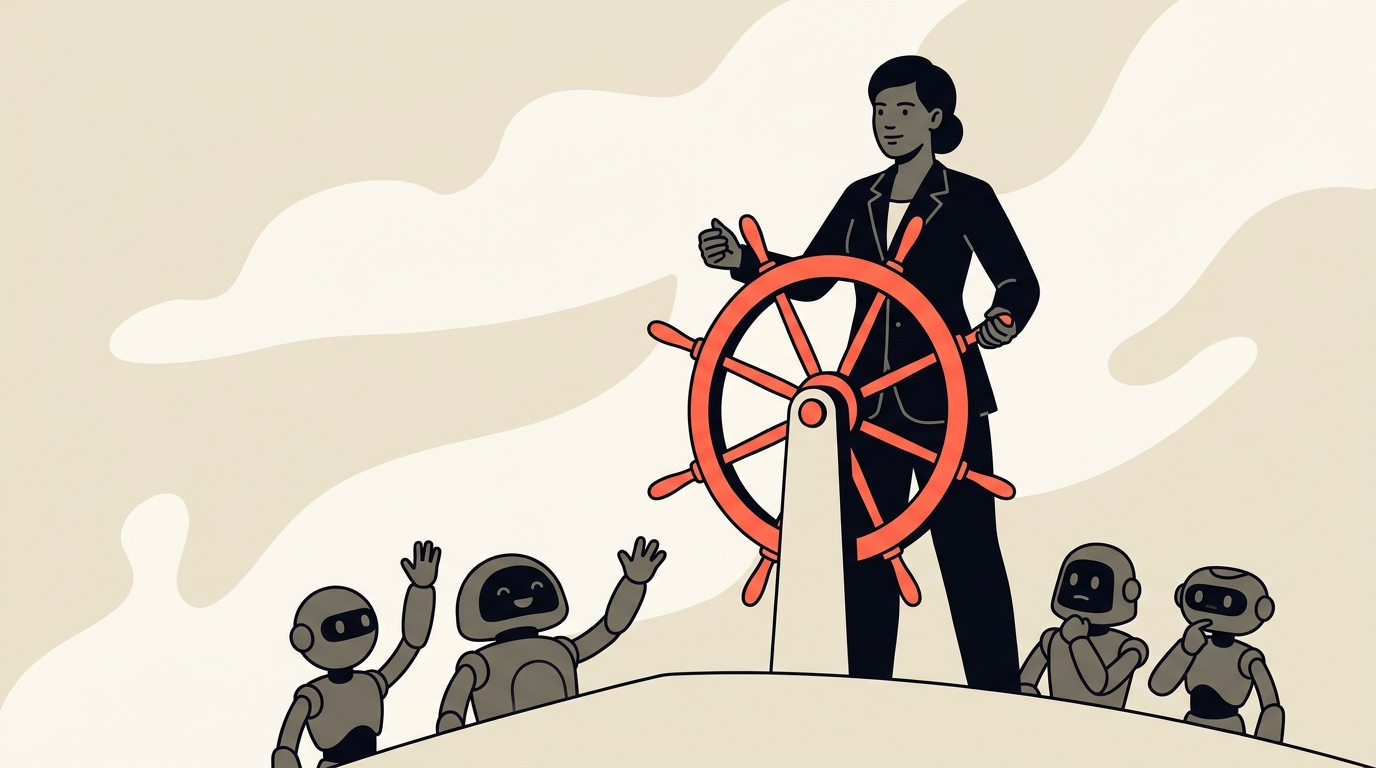
Fast Company asked 34 chief executives how they feel about agentic AI, the tools that act on their own rather than just answer questions. The single biggest worry was security. One legal-AI boss warned of “an unprecedented level of malware, hacks, and security issues” as agents start roaming the web on our behalf.
Others focused on what work becomes. The head of DeepL said agents force “every employee to stop being a builder and start being a CEO.” Sephora’s chief made the point that technology should strengthen human trust, not replace it, and that its beauty advisers stay essential.
What this means for you: The leaders furthest ahead are not chasing headcount cuts. They are pairing agents with people and treating security as a day-one concern, not an afterthought.
2. Apple is suing OpenAI, and the claims are wild
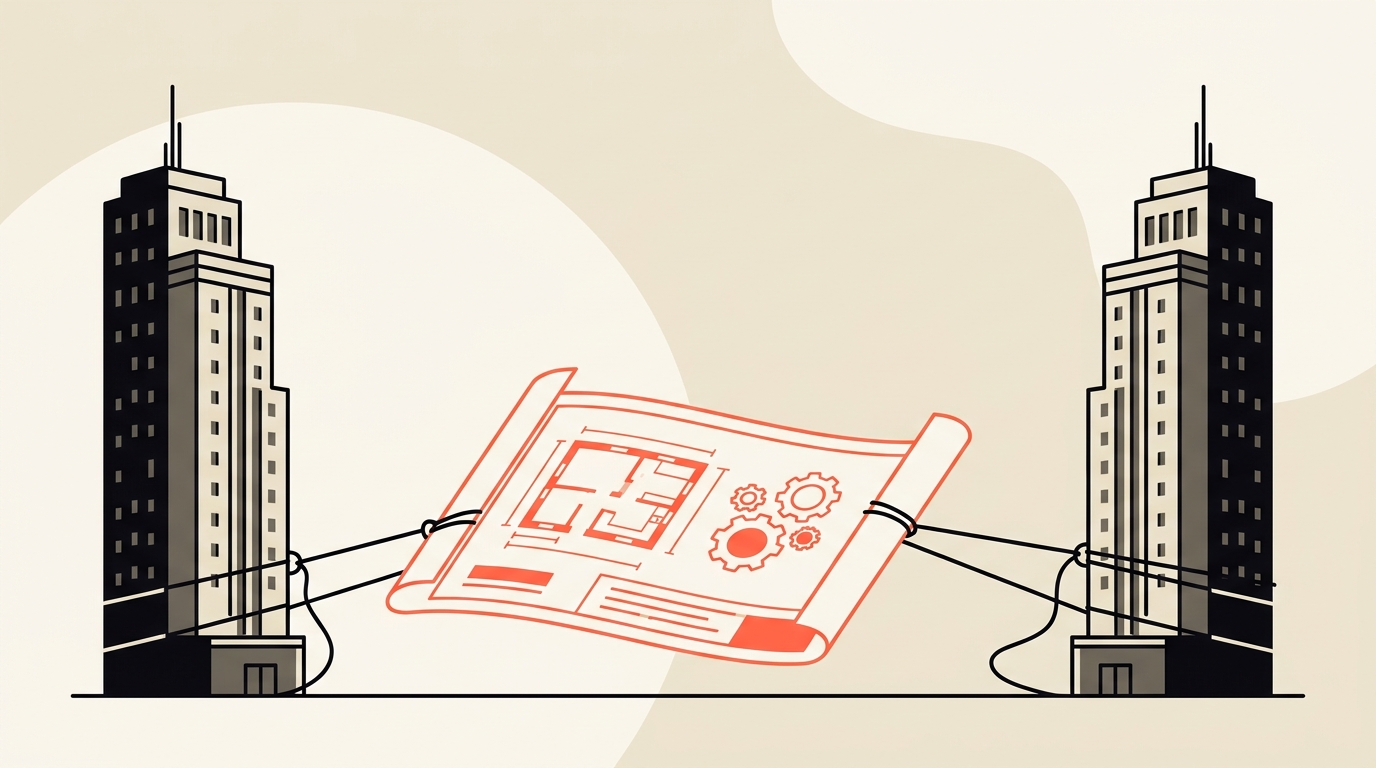
Apple has filed a 41-page complaint in California accusing OpenAI of stealing trade secrets to build its own hardware, “at every level.” The allegations are striking. Apple says OpenAI coached new hires on how to dodge its exit “walkout,” told departing staff not to sign anything at exit interviews, and that its hardware chief asked job candidates to bring “actual parts” from Apple to interviews for “show and tell.”
One engineer allegedly messaged colleagues, “LOL, I found out I can access the [network storage], so funny,” after exploiting a login bug. OpenAI has not accepted the claims, and the case is only beginning.
What this means for you: Whatever the court decides, it is a sharp reminder that your people carry your know-how out of the door. Clear handover and offboarding rules matter more as talent moves fast between rivals.
3. Anthropic keeps Fable 5 free a little longer as the price war bites
Anthropic has extended free access to its Claude Fable 5 model for paying subscribers until 19 July, its third extension in a row. Pro, Max, Team and Enterprise seats can use it for up to half of their weekly limit at no extra cost. After that, it is billed separately at $10 per million input tokens and $50 per million output.
The backdrop is OpenAI’s new GPT-5.6 line turning up the pressure on price and performance. The big labs are clearly fighting hard for your subscription.
What this means for you: This competition is good for your budget. Check exactly what your current plan already includes before you pay for any add-ons or a second tool.
4. Microsoft’s Nadella says you are paying for AI twice
Satya Nadella has coined a phrase, the “reverse information paradox.” His point is that you pay for AI once with money, and again with something more valuable, your proprietary knowledge. Every prompt, tool use and correction quietly teaches the model something a competitor could never buy.
He calls it ironic that the big labs train freely on public data but restrict what their customers can do, while reserving the right to learn from how those customers work.
What this means for you: Be deliberate about what you feed public AI tools. Your corrections and internal data are a real asset, so it is worth knowing your provider’s terms on how your usage is used.
5. A new AI that thinks in pictures, not just words
A startup called Elorian, founded by researchers who left Google and Apple, has come out of stealth with a bold argument. Today’s models, they say, have hit a ceiling because they only really reason in language. Elorian’s models treat images as equal to words, aiming to reason about the physical world rather than describe it in text first.
It is early, but the idea points at where AI is heading beyond the chatbot.
What this means for you: If it works, AI becomes far more useful for anything visual, from spotting product faults to reading a busy shop floor. One to watch if your business runs on physical things, not just documents.
The bottom line
The theme this week is ownership. As AI gets more capable, the edge goes to the leaders who protect their data and their people, read the fine print on their tools, and match new technology to real problems. Keep hold of what makes your business yours.
Want to explore AI for your business?
Book a free discovery call to discuss how AI can streamline your operations and unlock new opportunities.
calendar_today Book a discovery callEnjoyed this? Get The Boardroom AI Brief.
Every Tuesday, the 10 AI developments that actually matter for SMEs. One short email. Free.
Free · no spam · unsubscribe any time

// WRITTEN BY
James Anderson
AI and full-stack engineer helping SME owners understand and implement AI. Founder of AI in Business and host of the AI in Business channel on YouTube.
Learn more about James →[ MORE ] RELATED READING
You might also like.

// NEXT MOVE
Get the AI news that matters, every week.
Join The Boardroom AI Brief. One free email every Tuesday: the AI developments that matter for your business, rated for relevance and explained in plain English.