
AI News, 2 July 2026: Order from ChatGPT, and the hidden cost of AI
Square kills the marketplace fee for orders placed inside ChatGPT and Claude, AI answers reshape web traffic, Meta rents out spare compute, and Sonnet 5's hidden cost.

Five things happened in AI yesterday that actually touch how you run a business. Not chip benchmarks. Real shifts in how customers find you, what you pay, and who is on the hook when it goes wrong. Here is the plain-English version.
In a nutshell: Square now lets people order from your restaurant straight inside ChatGPT and Claude with no marketplace fee. Publishers are watching AI answers eat their traffic, and the same logic is coming for every business website. Meta is renting out spare AI compute, which points to cheaper capacity ahead. Enterprise research shows most firms think they govern their AI better than they do. And Claude Sonnet 5 looks flat on price but quietly costs more per job.
1. Your customers can now order straight from ChatGPT, and Square killed the marketplace fee

Square switched on a new integration on 1 July. Someone chatting to ChatGPT or Claude can now discover your restaurant, browse the menu and place an order without ever leaving the chat. The order lands in your existing Square setup, your till and your kitchen display, like any other.
The part that matters is the money. Orders route through Square’s own rails, so you pay standard card processing, roughly 2.9 percent plus 30 cents, and no marketplace commission. Compare that to the 15 to 30 percent that DoorDash, Uber Eats and Grubhub take. Eligible sellers are opted in automatically with no new setup, according to VentureBeat.
What this means for you: if you sell food and you already use Square, a new low-cost order channel just appeared for free. Check whether you are opted in and make sure your online menu is tidy, because it is now your shop window inside the chatbot.
2. AI answers are quietly starving websites of traffic, and it is not just publishers
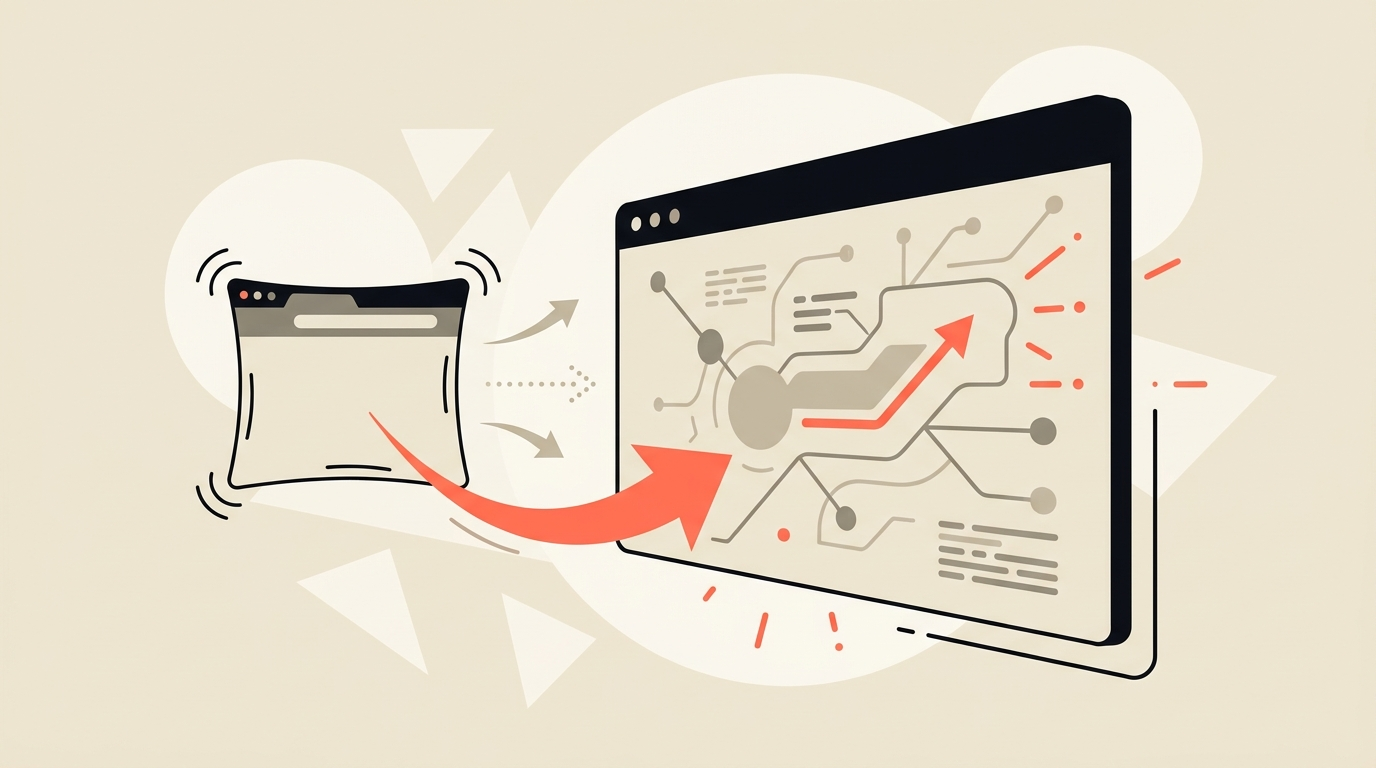
News publishers are the canary here, and the numbers are stark. Global referral traffic is down about 33 percent year on year, click-through on desktop has dropped nearly half where an AI Overview sits on top of the result, and roughly 60 percent of Google searches now end without a single click to any website, per reporting rounded up by Fast Company.
Here is the twist worth knowing. The visitors who do click through from an AI answer behave better. One dataset shows 23 percent lower bounce and 41 percent longer time on site. The AI has already pre-qualified them.
What this means for you: the same shift is coming for your website. Fewer clicks, but warmer ones. Stop chasing raw traffic and make sure that when the AI summarises your business it has good, current information to pull from. Your website is becoming a feed for machines as much as a page for people.
3. Meta wants to rent you its spare AI compute, which points to cheaper capacity ahead
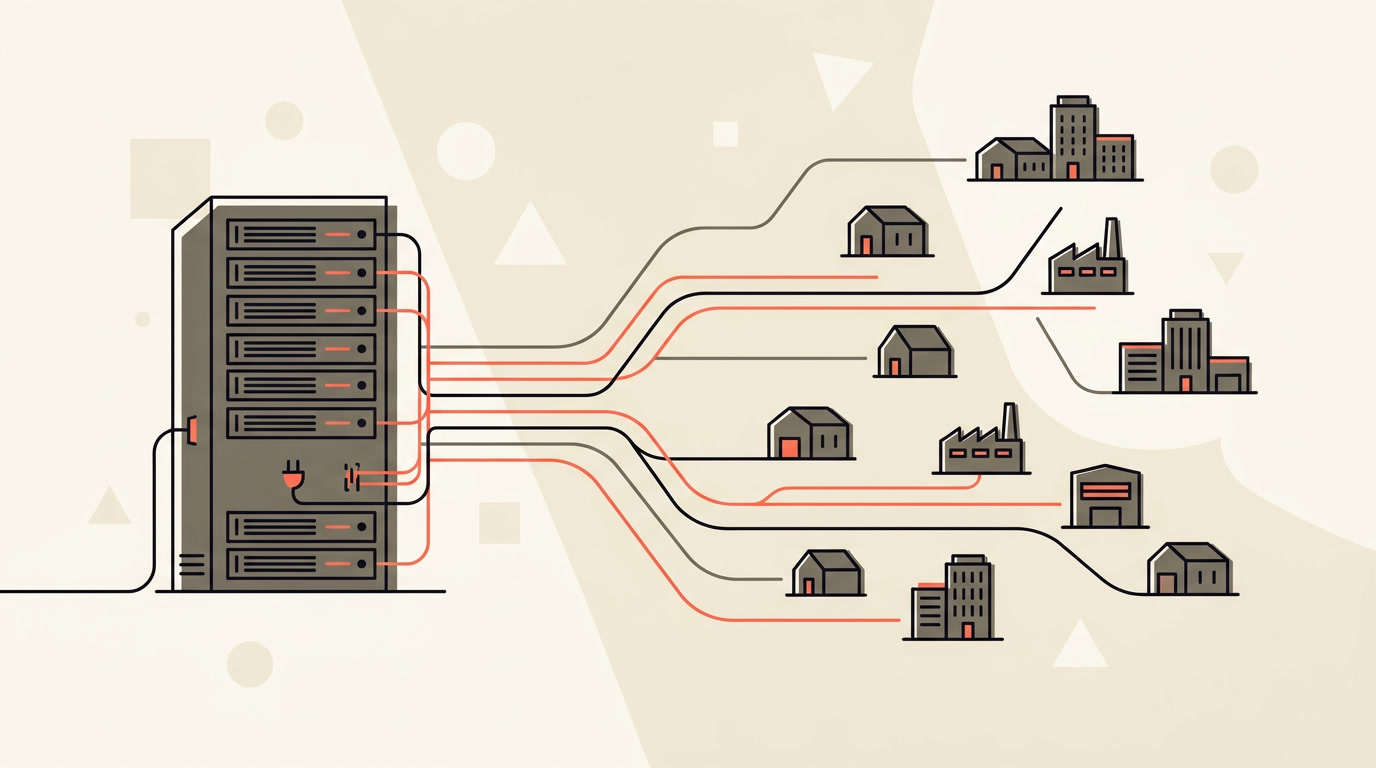
Meta is building a cloud business to sell its unused AI computing power to outside customers, going head to head with Amazon, Google and Microsoft. The shares jumped more than 10 percent on the news, as reported by The Decoder and TechCrunch.
The logic is simple. Meta is spending well over 100 billion dollars this year on chips and data centres. Renting out the idle bits turns a sunk cost into revenue. SpaceX did the same thing, and analysts think that arrangement alone could be worth tens of billions.
What this means for you: more suppliers fighting to rent out AI power usually means the price of using AI tools drifts down over time. You do not need to act today. Just know that the compute behind your software is getting more competitive, which is good for your bills.
4. Most companies think they control their AI better than they actually do
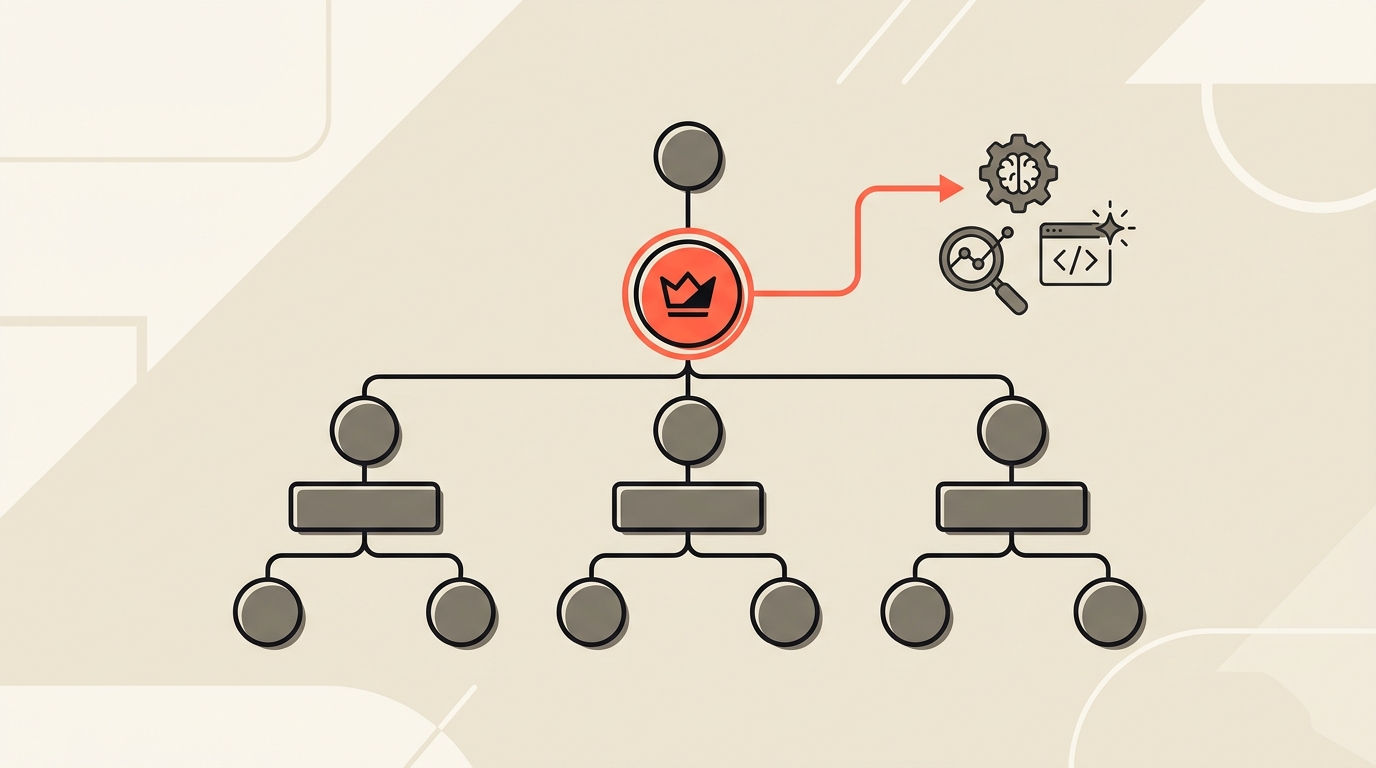
New enterprise research describes a “control gap.” Firms have drawn up who is meant to own AI governance, but the actual controls underneath are thinner than the org chart suggests. In one survey, 23 percent said ownership was unclear or actively fought over between teams, and “no single accountable owner” was the second biggest obstacle to governing AI, behind vendor opacity, according to VentureBeat.
The point is not that these firms lack tools. It is that nobody clearly owns the outcome, so nobody can demand straight answers from suppliers.
What this means for you: you do not need a governance department. You need one name against every AI tool you use. Who owns the customer chatbot. Who checks what data it touches. Write it down. A small business that can answer “who owns this” is already ahead of most large ones.
5. Claude Sonnet 5 looks flat on price but quietly costs more per job

Anthropic’s new Claude Sonnet 5 kept the same headline token prices as before, 3 dollars per million in and 15 out, with a promo rate running to 1 September. So on paper nothing changed. In practice the model uses a new tokeniser and chews through more tokens to finish a task, so the real cost per job rose to about 2.29 dollars, roughly double the previous Sonnet and even more than the pricier Opus, per The Decoder and Artificial Analysis.
It is a useful reminder that “same price per token” is not the same as “same price per task.”
What this means for you: if you or your team pay for AI by usage, do not judge a tool by the sticker rate. Watch the monthly bill and the cost of getting a real job done. Ask your provider what a typical task actually costs, not what a token costs.
The bottom line
The through-line today is control moving around. Square hands you a new sales channel and takes the middleman’s cut off the table. AI answers take clicks away but hand you warmer visitors. Meta’s move should ease what you pay for AI over time. And two stories, the governance gap and the hidden Sonnet cost, say the same thing in different words: know exactly what your AI tools do and what they really cost. That is the whole job right now.
Want to explore AI for your business?
Book a free discovery call to discuss how AI can streamline your operations and unlock new opportunities.
calendar_today Book a discovery callEnjoyed this? Get The Boardroom AI Brief.
Every Tuesday, the 10 AI developments that actually matter for SMEs. One short email. Free.
Free · no spam · unsubscribe any time

// WRITTEN BY
James Anderson
AI and full-stack engineer helping SME owners understand and implement AI. Founder of AI in Business and host of the AI in Business channel on YouTube.
Learn more about James →[ MORE ] RELATED READING
You might also like.


// NEXT MOVE
Get the AI news that matters, every week.
Join The Boardroom AI Brief. One free email every Tuesday: the AI developments that matter for your business, rated for relevance and explained in plain English.