AI News, 20 June 2026: A Nobel Hire, a Shelved Film, and Smarter AI Agents
A Nobel laureate joins Anthropic, Amazon shelves its OpenAI film, Google sets rules for rogue AI agents, and how to pick agentic AI that actually works.
A lot happened in AI over the last day, and most of it matters more for how you run your business than for how the technology works under the hood. Here are the five stories worth your time, in plain English.
In a nutshell: A Nobel Prize winner left Google for Anthropic, which tells you how hard the fight for AI talent has become. Amazon quietly shelved a finished film about OpenAI’s boss months after putting tens of billions into the company. Google published a playbook for keeping AI agents from going off the rails. There is fresh, sensible guidance on how to choose agentic AI tools without getting burned. And GitHub showed what a useful internal AI agent actually looks like in practice.
1. A Nobel laureate just left Google for Anthropic
 John Jumper, who shared the 2024 Nobel Prize in Chemistry for the protein-folding system AlphaFold, is leaving Google DeepMind after nearly nine years to join Anthropic. He announced the move on 19 June, and plans to take a break before he starts. Neither side has said what he will work on, though it lines up with Anthropic’s growing push into life sciences.
This is the second senior departure from DeepMind in days, and it is a clear signal. The biggest names in AI research are being fought over like star athletes, and the smaller, newer labs are winning some of them.
What this means for you: the talent map is shifting fast, and the lab with the best model today may not have it in a year. Avoid locking your business too tightly to any single AI provider.
2. Amazon shelved a finished film about OpenAI’s boss
 Amazon MGM Studios has dropped “Artificial,” a nearly completed film by director Luca Guadagnino about the few days in 2023 when OpenAI chief Sam Altman was fired and then rehired. Andrew Garfield plays Altman. The film tested well and will now be shopped to other studios, according to reporting from Variety and The Hollywood Reporter.
The timing is the story. It comes about four months after Amazon agreed a major cloud and investment partnership with OpenAI, starting at 15 billion dollars and rising to as much as 50 billion. A film that paints your new partner’s boss in an unflattering light is an awkward thing to release.
What this means for you: when money and partnerships get big enough, they start shaping decisions that look unrelated on the surface. It is worth asking the same question about your own suppliers and partners.
3. Google published a playbook for keeping AI agents in check
 Google DeepMind released an “AI Control Roadmap” on 18 June, setting out how it secures AI agents running inside its own systems. The idea is simple. Assume an agent might do the wrong thing, and build guardrails that limit the damage if it does. The Verge summed up the approach as a driving instructor with dual controls.
The framework uses tiers for spotting problems and for stopping them, ranging from reviewing low-risk actions after the fact to blocking high-risk ones in real time. It leans on familiar security basics like sandboxing and access controls rather than trusting the model to behave.
What this means for you: if you are letting AI agents touch your data or systems, treat them like a new employee who has not earned full trust yet. Limit what they can reach, and keep a record of what they do.
4. How to choose agentic AI tools without getting burned
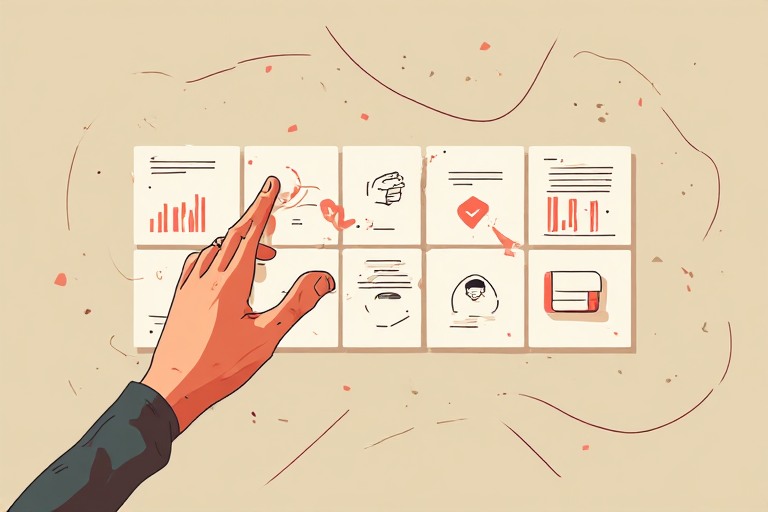 Every vendor now claims its agentic AI platform is enterprise-grade, so the term has lost most of its meaning. A useful guide from Dataiku cuts through it by listing what actually matters when you buy. The short version: control, oversight, and the freedom to switch later.
Look for one place to see and govern every agent, clear access controls and approvals, plain monitoring that tells you whether the agents are working, and a tool that connects to your existing systems without locking you in. One honest caveat: this class of platform can be pricey for smaller firms, so weigh the cost against your size.
What this means for you: do not buy on the demo. Ask how you will govern, monitor, and leave the tool before you sign anything.
5. GitHub showed what a genuinely useful internal AI agent looks like
 GitHub shared how it built Qubot, an internal AI assistant that lets any employee ask questions about company data in plain language instead of waiting on a data team. It is a practical, narrow tool aimed at a real daily problem, not a flashy demo.
That focus is the lesson. The agent does one job well, for a clear group of people, on data the company already had. That is usually where AI pays off first.
What this means for you: the best first AI project is rarely the most ambitious one. Pick a repetitive question your team asks constantly, and point a tool at that.
The bottom line
The headlines are about talent wars and Hollywood drama, but the practical thread is control. Keep your options open, govern the agents you deploy, and start with small problems that AI can actually solve today.
Want to explore AI for your business?
Book a free discovery call to discuss how AI can streamline your operations and unlock new opportunities.
calendar_today Book a discovery callEnjoyed this? Get The Boardroom AI Brief.
Every Tuesday, the 10 AI developments that actually matter for SMEs. One short email. Free.
Free · no spam · unsubscribe any time

// WRITTEN BY
James Anderson
AI and full-stack engineer helping SME owners understand and implement AI. Founder of AI in Business and host of the AI in Business channel on YouTube.
Learn more about James →[ MORE ] RELATED READING
You might also like.

// NEXT MOVE
Get the AI news that matters, every week.
Join The Boardroom AI Brief. One free email every Tuesday: the AI developments that matter for your business, rated for relevance and explained in plain English.