AI News, 27 June 2026: GPT-5.6 Lands, the Cost Squeeze Bites, and the Value Gap
OpenAI previews GPT-5.6 behind a government gate, a startup swaps Claude for DeepSeek to save millions, and fresh data shows why most AI spend still does not pay back.
Another busy day in AI, and the through line is clear. The headlines are about new models and who gets to use them, but the real story for owners is cost and value. Here are the five things worth your time today.
In a nutshell: OpenAI previewed its most powerful model yet, GPT-5.6, but only about 20 government-approved partners can touch it for now. A fast-growing startup has dropped Claude for a cheaper Chinese model and says it is saving millions. New figures show most companies still get little or no return on their AI. A crowded field of lesser-known firms is quietly building the tools you will actually use. And a new book makes the case for ignoring the noise and judging AI on results.
1. OpenAI previews GPT-5.6, but only 20 firms can use it
 OpenAI has previewed GPT-5.6, its next family of models, in three sizes. Sol is the flagship for the hardest problems like complex coding. Terra is the balanced option aimed at high-volume business tasks such as customer support, internal tools and document analysis. Luna is the fast, low-cost tier for everyday work like summarising and drafting.
There is a catch. Access is limited to roughly 20 organisations whose names were individually approved by the US government, following an executive order on 2 June about benchmarking new models. OpenAI says it does not want this to become the long-term default, and a wider release is planned for the coming weeks. On price, Sol is 5 dollars input and 30 dollars output per million tokens, Terra is 2.50 and 15, and Luna is 1 and 6.
What this means for you: you cannot get the flagship yet, but you may not need it. The Terra and Luna tiers are built for ordinary business work, and a general release is only weeks away.
2. A startup ditched Claude for DeepSeek and says it saved millions
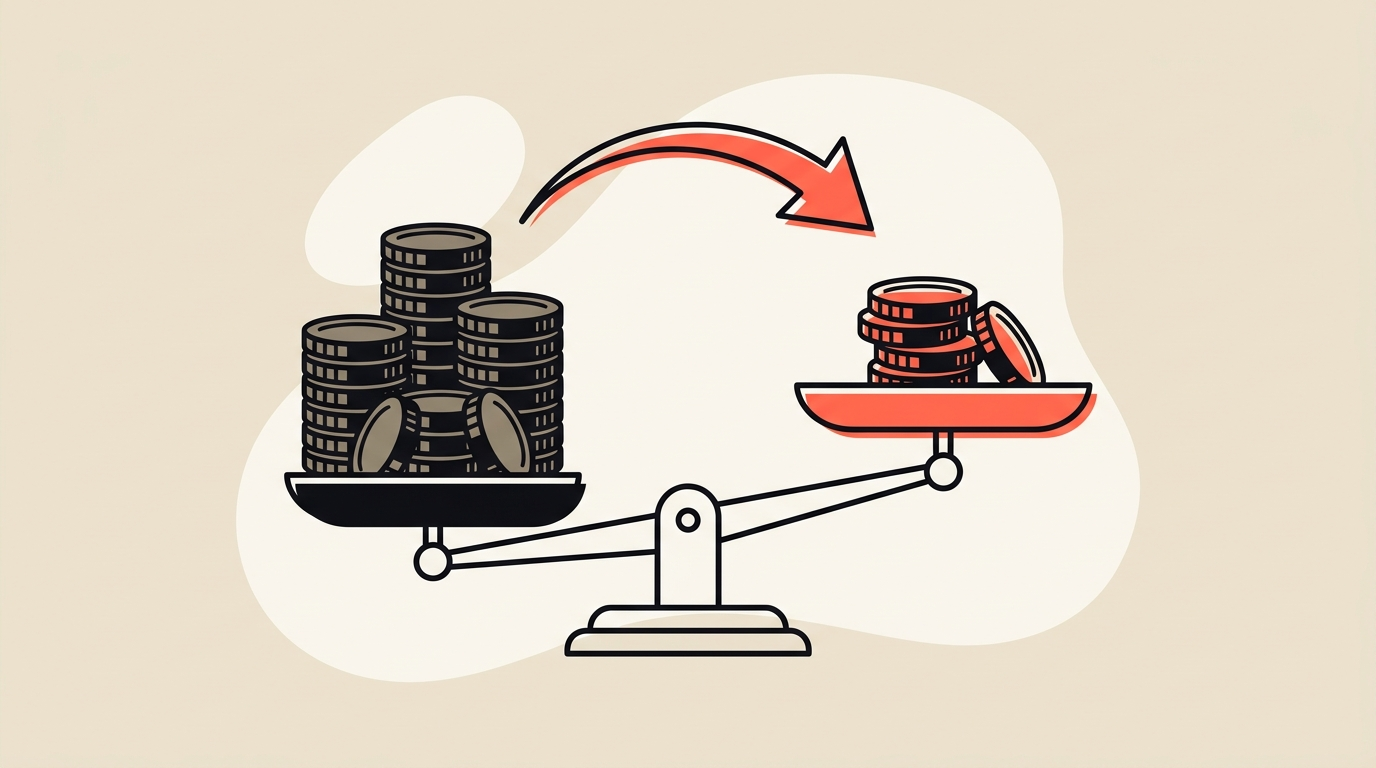 AI agent company Lindy has moved all of its traffic off Anthropic’s Claude and onto DeepSeek v4, a far cheaper model. CEO Flo Crivello says AI costs at the 25-person firm had become unsustainable and had grown larger than the payroll. He says the switch will save millions and that performance actually improved on many core tasks.
It was not a quick fix. The migration took six to nine months of testing, gradual rollout and heavy prompt rewriting, which Crivello described as far more work than expected. Lindy runs DeepSeek through Atlas Cloud, a US-based provider that hosts the model on American soil, to address data concerns. Crivello also says he would switch back if Anthropic cut its prices.
What this means for you: which model you run is now a real cost lever. But swapping is hard work, so test cheaper models on your own tasks before assuming a change will pay off.
3. The hard numbers on why AI still does not pay back
 A new piece from Dataiku puts figures on a problem many owners feel. Citing McKinsey, it notes that 88 percent of companies now use AI, yet only 6 percent get real value from it. The gap is widening, not closing.
The detail is sobering. Forty-two percent of companies now abandon most of their AI projects before they reach production, up sharply from 17 percent the year before. And while 88 percent have deployed AI somewhere, only 39 percent report any measurable impact on the bottom line, with most of those saying it is under 5 percent. The argument is that AI rarely fails on technology. It fails on people, joined-up workflows and governance.
What this means for you: do not spread your effort thin. Pick one or two problems where AI clearly pays back, finish them properly, and measure the result before you scale.
4. The AI companies building everything else
 You know OpenAI and Nvidia. A Fast Company piece argues the next phase of AI depends on a wider field of firms building the infrastructure, governance and applications that make AI usable day to day.
It points to names that may be new to you. Cursor, a coding tool, now serves more than 31 million users, is used by 64 percent of the Fortune 500, and recently passed 2 billion dollars in annualised revenue. Sierra is building AI agents designed to act as long-term brand representatives rather than simple ticket responders. Bolt turns a browser into a full app-building environment from a plain description of what you want.
What this means for you: the most useful tools for your business may come from companies you have not heard of. Look past the famous labs when you choose software.
5. A clear-eyed take on the AI hype
 Journalist Josh Tyrangiel, who has covered AI for The Washington Post and The Atlantic, has a new book called AI for Good. Fast Company pulled out his core argument, and it is a useful corrective to the noise.
His points are simple. Turn down the volume on the people selling AI most loudly. The biggest impact is coming from practical tools that solve real problems, not flashy promises. Focus on evidence over excitement. And the main obstacle to AI doing genuine good, he argues, is not the technology, it is all the talking around it.
What this means for you: judge AI by what it does in your business, not by the hype. When a vendor pitches you, ask for evidence and examples, not promises.
The bottom line
Today’s headlines are about access and price, but the money is still made on focus. Cheaper models and a crowded vendor field give you more options than ever. The value comes from picking real problems, finishing the work, and measuring what it returns.
Want to explore AI for your business?
Book a free discovery call to discuss how AI can streamline your operations and unlock new opportunities.
calendar_today Book a discovery callEnjoyed this? Get The Boardroom AI Brief.
Every Tuesday, the 10 AI developments that actually matter for SMEs. One short email. Free.
Free · no spam · unsubscribe any time

// WRITTEN BY
James Anderson
AI and full-stack engineer helping SME owners understand and implement AI. Founder of AI in Business and host of the AI in Business channel on YouTube.
Learn more about James →[ MORE ] RELATED READING
You might also like.


// NEXT MOVE
Get the AI news that matters, every week.
Join The Boardroom AI Brief. One free email every Tuesday: the AI developments that matter for your business, rated for relevance and explained in plain English.