AI News, 28 June 2026: AI is doing half the work, and the gatekeepers move in
Half of Claude users say AI handles half their work, Anthropic hires product thinkers, OpenAI rations GPT-5.6, a founder questions a cancer scan with AI, and lawmakers tighten the rules.
Five stories worth your time today. The thread running through them: AI is now doing real chunks of real work, and the people in charge are starting to draw lines around how far it can go.
In a nutshell: Half of Claude users say AI already handles half their work, Anthropic is hiring product thinkers faster than engineers, OpenAI is rationing its newest model to a trusted few, one founder used AI to question a cancer scan and avoided needless treatment, and lawmakers are moving to put guardrails on the most powerful systems.
1. Half of Claude users say AI already does half their work
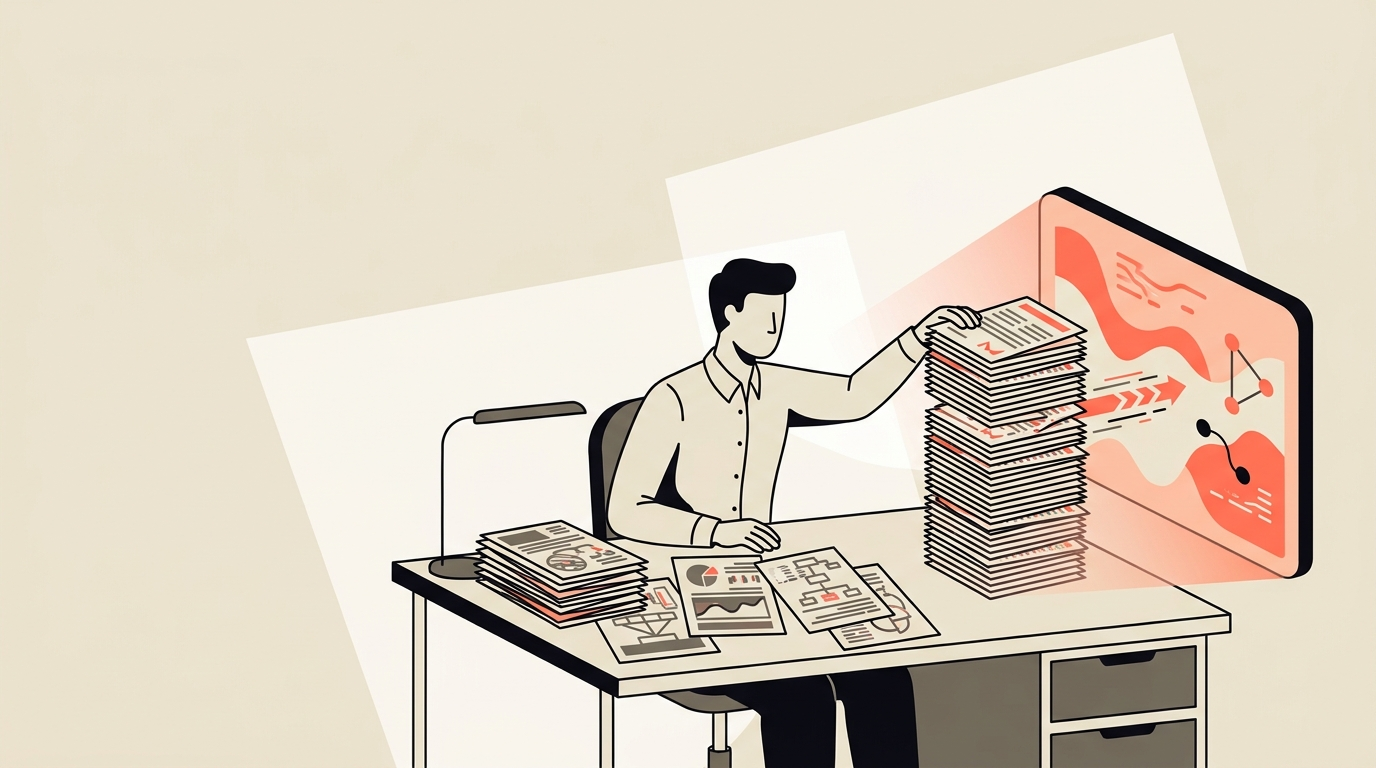
Anthropic surveyed roughly 9,700 of its users, and about half of them said AI can already handle 50 percent or more of their day-to-day tasks. Around a third put the figure at 30 to 60 percent of tasks, and 14 percent said it covers 60 to 90 percent. A small group, about four percent, reckon it could already do their whole job.
What stood out was the mood. Most people did not want to be replaced. They wanted AI to take the boring, repetitive work off their plate and free them up for the parts that need judgement. The heaviest users were the most optimistic, and they felt their own skills were becoming more valuable, not less.
What this means for you: ask your team where AI is quietly already doing a third of a job, then redesign the role around the harder half that is left.
2. “Every engineer now ships like three” so Anthropic is hiring product thinkers
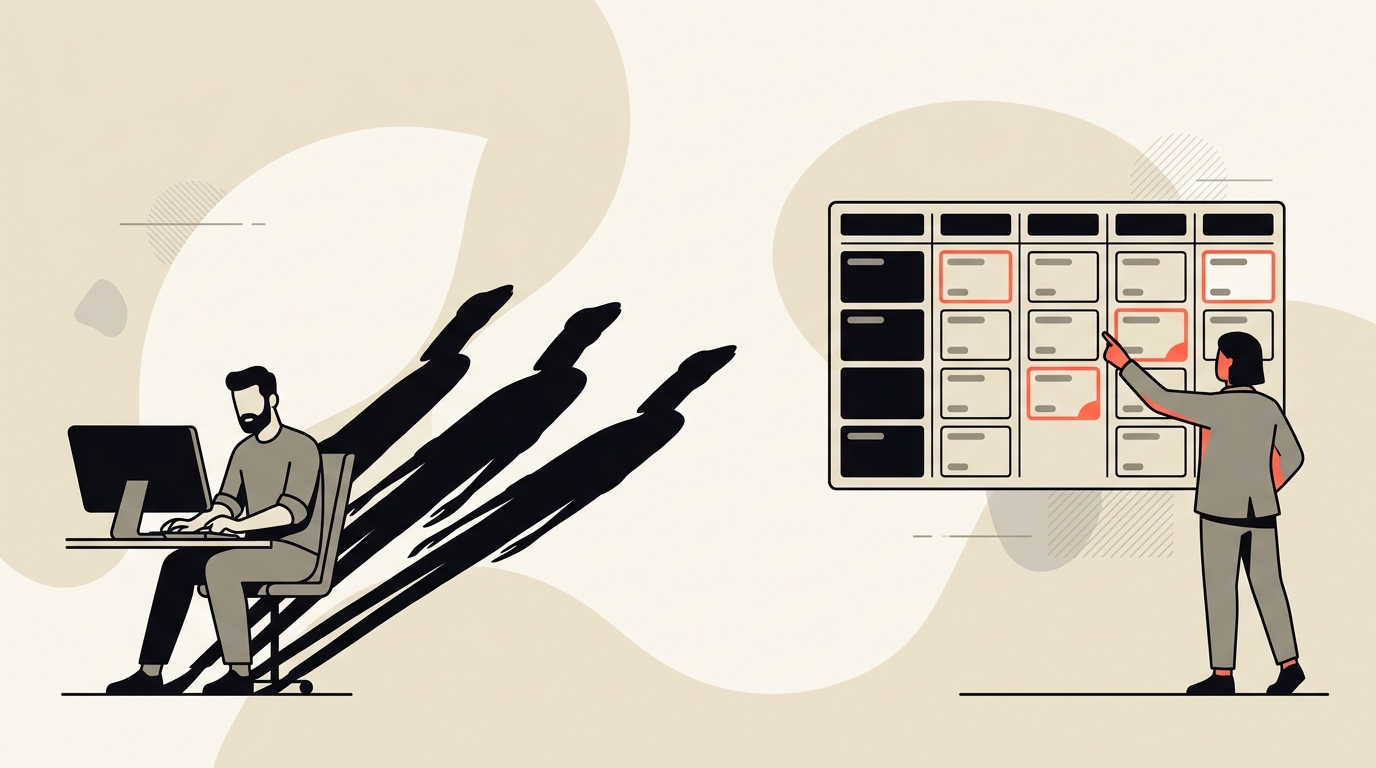
Anthropic told its growth team to hire more product managers, not fewer. The reason is simple. Since adopting its own coding tool, its engineering teams have been shipping at roughly two to three times their old output. A five-person team now produces like a team of 15 to 20.
That moved the bottleneck. The hard part is no longer building the thing, it is deciding what to build. The old rule of thumb of one product manager to eight engineers now plays out closer to one to twenty in practice. Anthropic is paying 305,000 to 460,000 dollars for product managers who can keep up.
What this means for you: when AI lifts your output, your constraint shifts from doing the work to deciding which work is worth doing. Invest in the people who set direction.
3. OpenAI’s newest model goes to a trusted few first
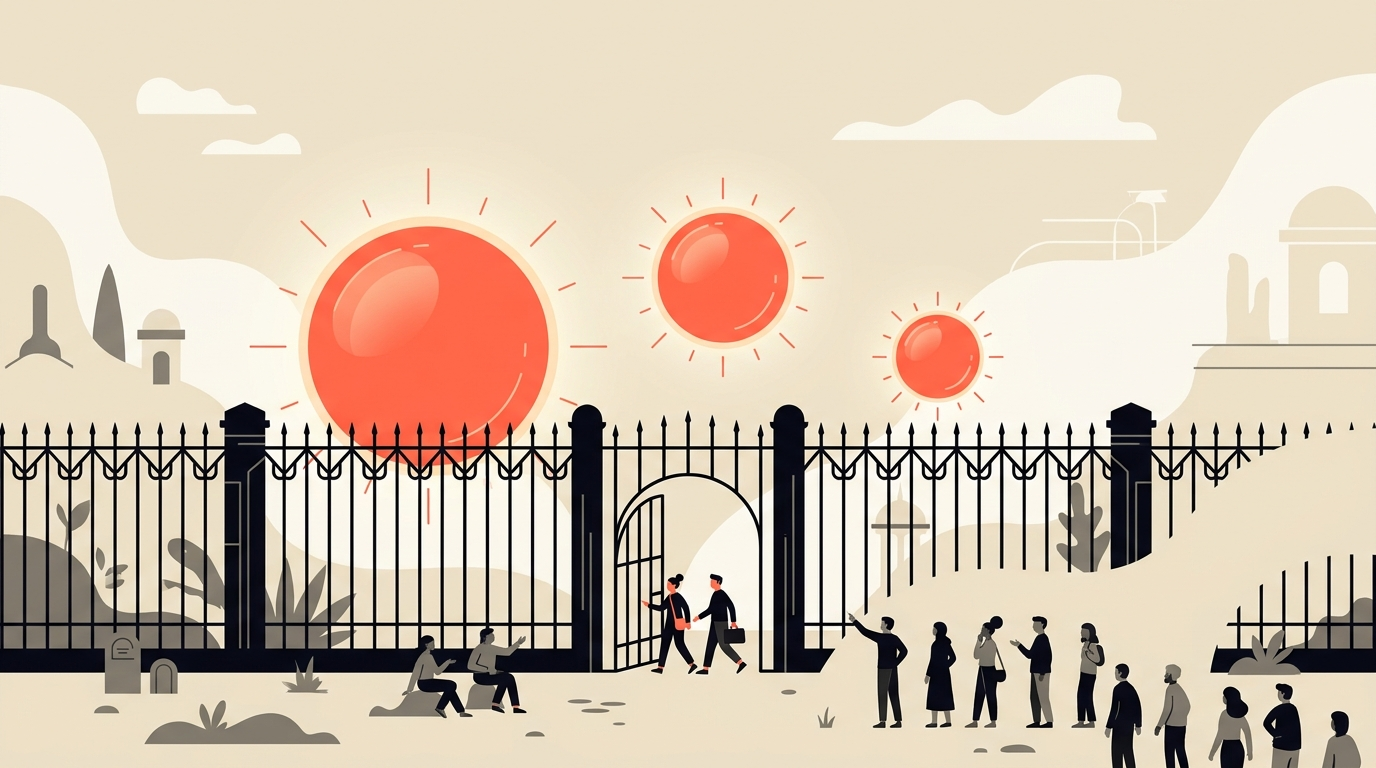
OpenAI has started a limited preview of GPT-5.6, its newest family of models, but only for a small group of trusted partners. It did this at the request of the US government, after previewing the models’ capabilities to officials ahead of launch.
There are three versions. Sol is the flagship and the strongest at cybersecurity work. Terra is the everyday option, with similar performance to the last generation at half the cost. Luna is the cheapest and fastest. A broader release is expected in the coming weeks.
What this means for you: the most capable models are starting to arrive on a delay and behind a gate. Plan your roadmap around access, not just price, because the best tools may not be available to everyone at once.
4. A founder used AI to question a cancer scan, and avoided needless treatment
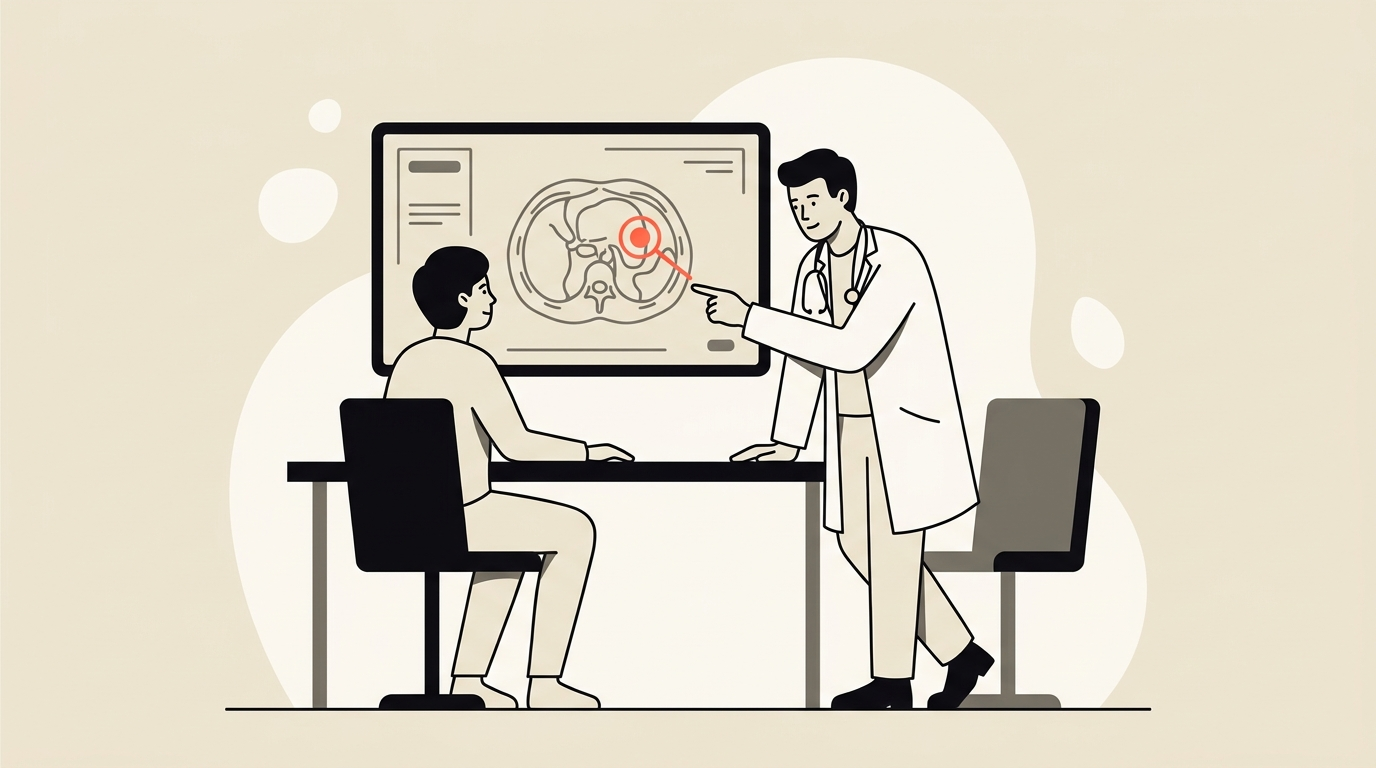
Connor Christou, founder of healthcare automation firm Keragon, was diagnosed with a fast-moving lymphoma. Throughout treatment he fed his blood results, scan data, wearable readings and daily notes into Claude to keep his records organised and ask sharper questions.
The key moment came with his scans. The model flagged a known but easily missed effect: in patients under 40 recovering from this cancer, the thymus gland can light up on imaging and look like active disease. It put the odds of that explanation at around 90 percent. He sought three more opinions, and a fourth doctor confirmed it. There was no active disease and no radiotherapy was needed. He was clear that AI did not replace his doctors, and experts warn these tools can be wrong and are not yet proven for personal diagnosis.
What this means for you: AI is becoming a useful second set of eyes for organising information and asking better questions, as long as a qualified human still makes the call.
5. Lawmakers move to rein in the most powerful AI
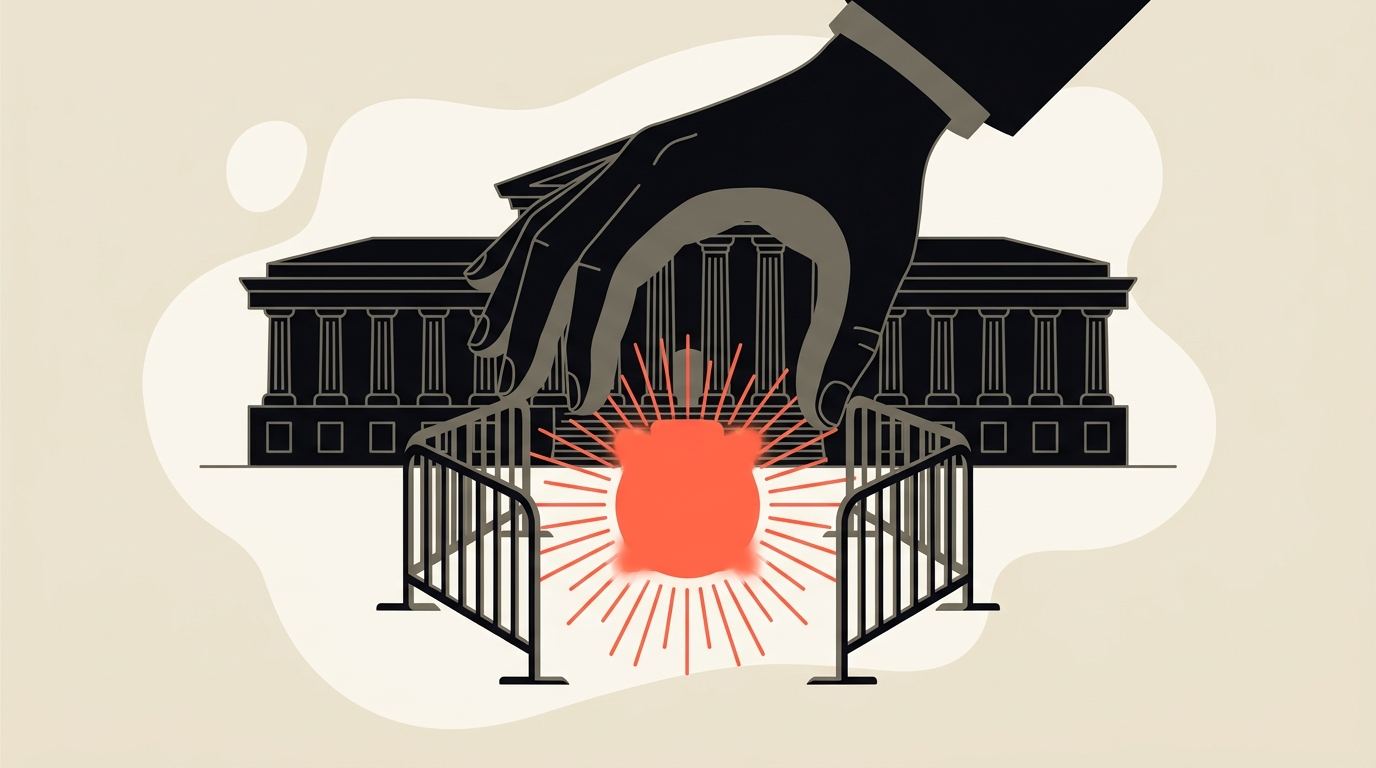
On 26 June a bipartisan pair of US representatives introduced the Cloud Security Act, which would require AI companies to flag suspected misuse of their platforms to the government. It is part of a wider push to keep the most capable models from becoming a national security problem.
There is a cost to that caution. The Commerce Department had already pushed Anthropic to roll back the release of its most advanced model, citing security concerns, which effectively stopped it selling its best product. The reporting is honest about the trade-off: the security worries are real, but so is the risk of locking businesses out of the tools that drive an edge.
What this means for you: the rules around advanced AI are tightening, and access may depend on where you are based and who you are. Keep one eye on policy, because it will shape what you can buy.
The bottom line
The signal this week is control. AI is now doing enough real work that the questions have changed: not “can it help” but “who decides what it does, who gets the best of it, and where a human still has to sign off.” If you are running a business, the move is to put AI on the repetitive work, keep your sharpest people on the decisions, and watch the rules as closely as the tools.
Want to explore AI for your business?
Book a free discovery call to discuss how AI can streamline your operations and unlock new opportunities.
calendar_today Book a discovery callEnjoyed this? Get The Boardroom AI Brief.
Every Tuesday, the 10 AI developments that actually matter for SMEs. One short email. Free.
Free · no spam · unsubscribe any time
// WRITTEN BY
James Anderson
AI and full-stack engineer helping SME owners understand and implement AI. Founder of AI in Business and host of the AI in Business channel on YouTube.
Learn more about James →[ MORE ] RELATED READING
You might also like.
// NEXT MOVE
Get the AI news that matters, every week.
Join The Boardroom AI Brief. One free email every Tuesday: the AI developments that matter for your business, rated for relevance and explained in plain English.