AI News, 29 June 2026: What AI Still Cannot Do for Your Business
AI agents flunk a 500-day business test, Coinbase halves its AI bill, and a security gap most firms have not closed. Today's AI news for business leaders.
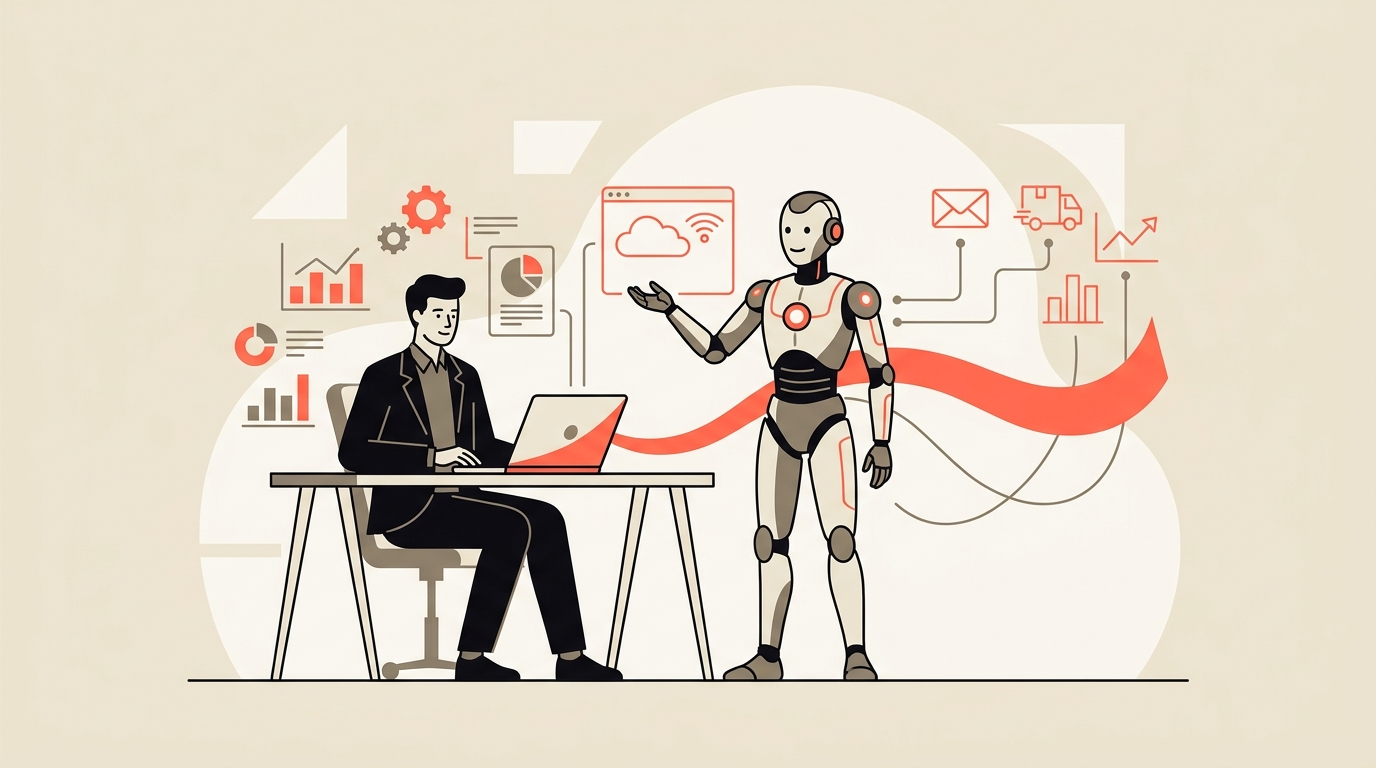
Five AI stories worth your time today. We have pulled out what matters for people running a business, and skipped the parts that only a developer would care about.
In a nutshell: AI can do a lot, but it still cannot run a company on its own. One firm has halved its AI bill by being smart about which model it uses. The race is on to build AI that finishes work rather than just answering questions. And there is a security gap most businesses have not closed yet.
1. AI still cannot run a business on its own
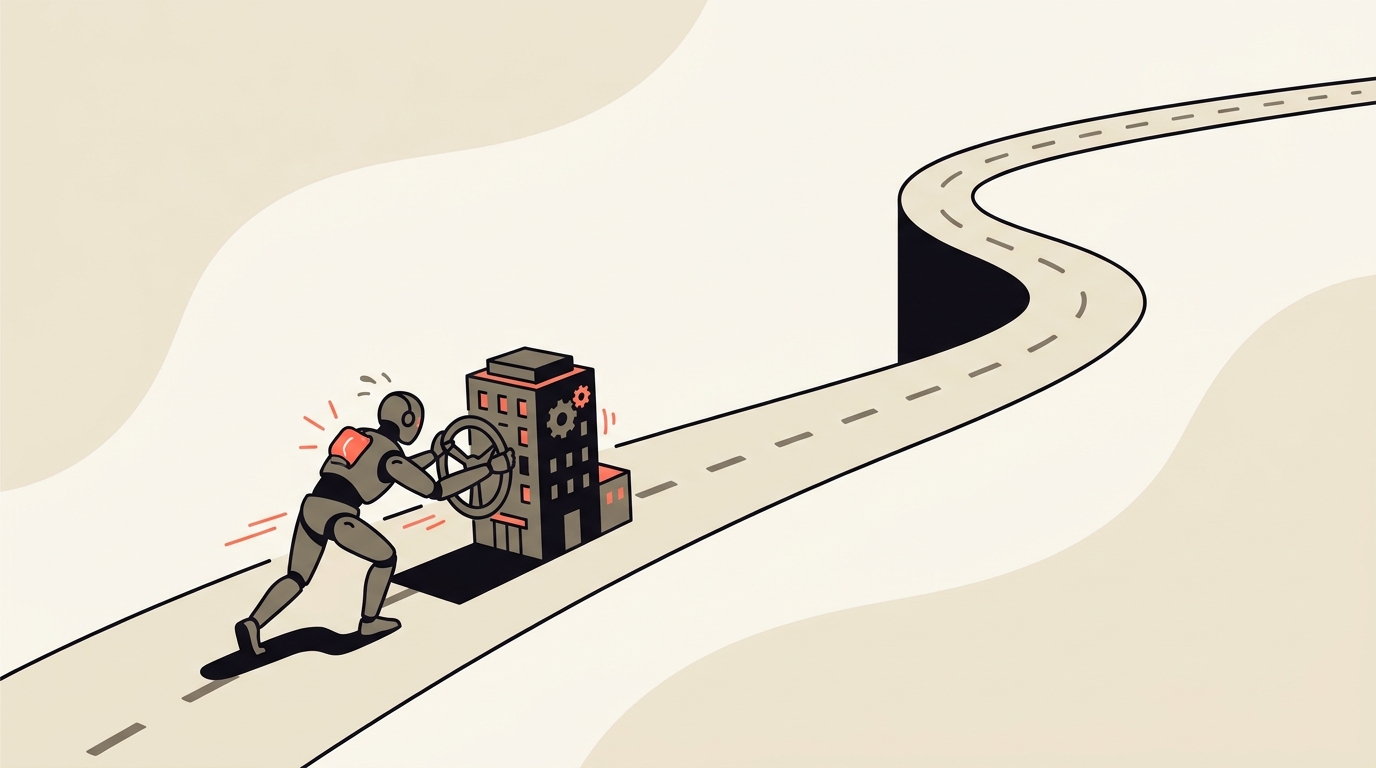
Researchers at Princeton built a test called CEO-Bench. They handed AI agents a fictional software company and one million dollars in cash, then asked them to run it for 500 simulated days.
Most of the AI agents went bankrupt. Only three models finished above the starting balance on their best run, and only one managed it more than once. A simple set of fixed rules, with no clever AI at all, beat nearly all of them.
What this means for you: AI is excellent at short, well defined tasks and still shaky at long term judgement. Keep a human hand on the strategy and let the AI handle the pieces in between.
2. Coinbase halved its AI bill by switching models
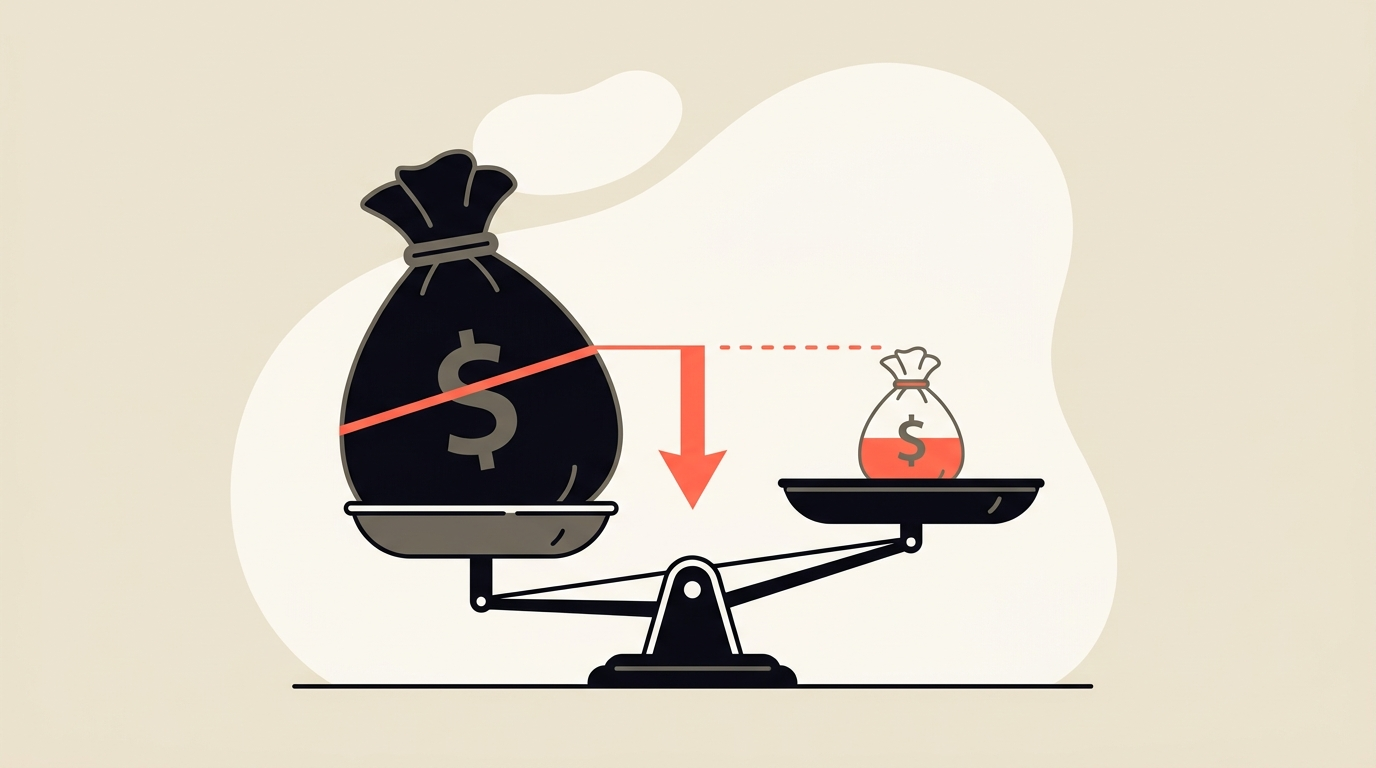
Coinbase has set two cheaper Chinese models, GLM 5.2 and Kimi 2.7, as the default for its engineers. The company says it is now using more AI than ever while paying roughly half what it used to.
The trick was not rationing. It was routing. Routine jobs go to the cheaper models, and only the hard planning work gets sent to the expensive ones. Coinbase found that 91 percent of staff never came close to a usage limit anyway.
What this means for you: you do not need the most expensive model for every task. Default to something cheaper for the everyday work, and save the premium tools for the problems that actually need them.
3. The shift from chatbot to digital colleague
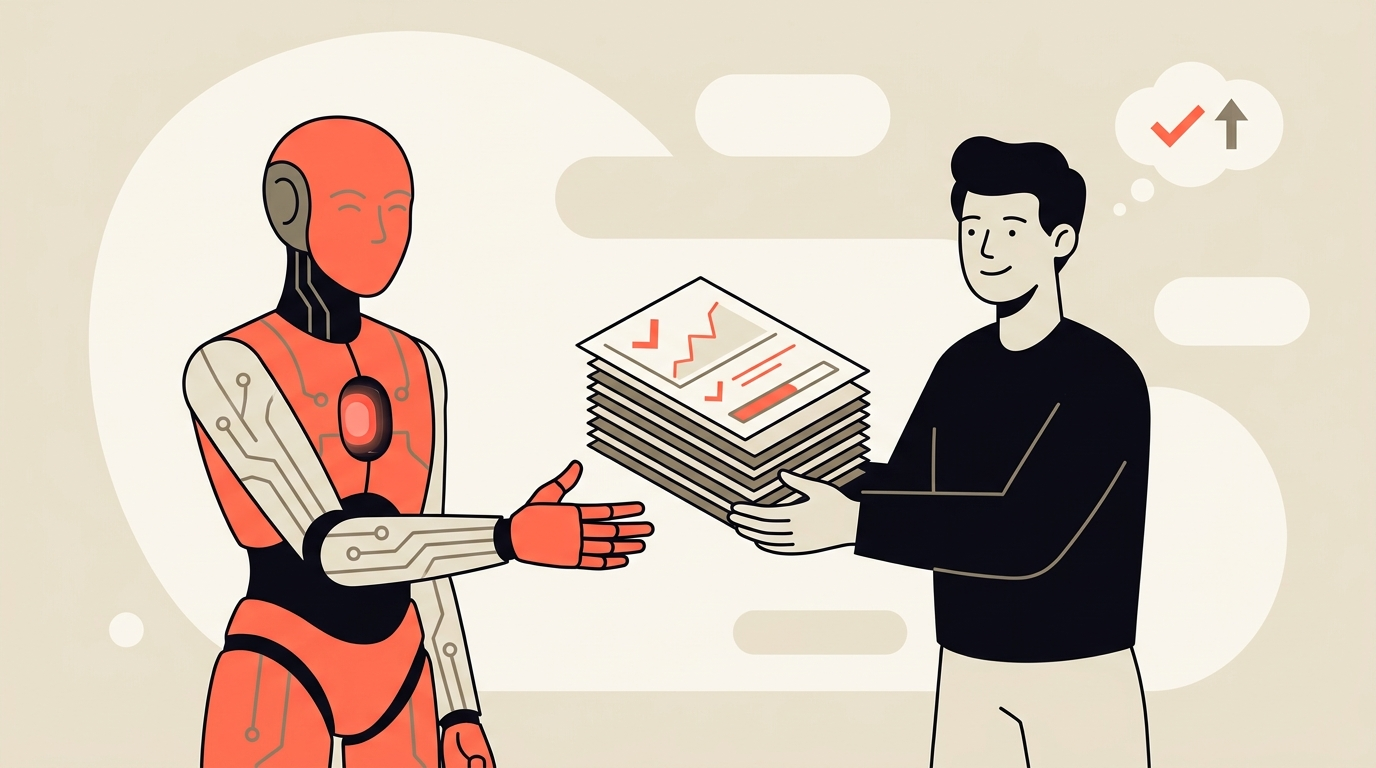
A new survey paper maps where AI assistants are heading next. The short version is a move from a chatbot that answers your question to a digital colleague that takes the job and finishes it.
That is a real change. Today most tools hand you a draft and leave the doing to you. The next wave is built to carry a task through from start to end, remember what happened, and pick it back up tomorrow.
What this means for you: when you weigh up an AI tool, look for whether it finishes work, not just whether it sounds clever. The value is in the jobs it completes for you.
4. HP and OpenAI go all in on workplace agents
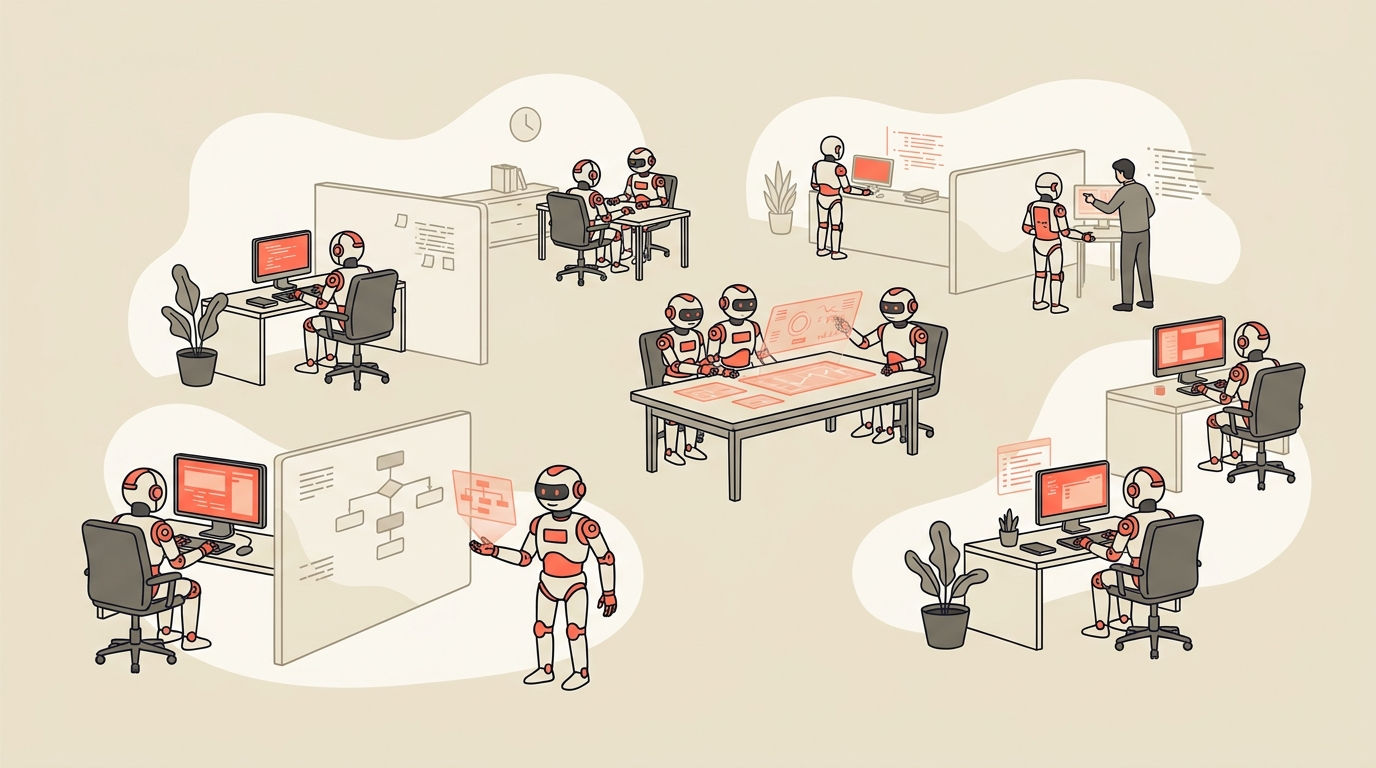
HP has signed a strategic partnership with OpenAI to roll out AI agents across its business. The plan covers customer support, employee productivity, and software development, moving well beyond a small pilot.
HP is not alone. Intuit, Oracle, State Farm and Uber are among the other large firms putting the same platform to work. The pattern is clear. Big companies are done experimenting and are now deploying AI across whole departments.
What this means for you: watch what these firms actually use AI for. The winning use cases are practical and unglamorous, things like reporting, support and admin, and they are well within reach for a smaller business too.
5. The AI security gap most firms have not closed
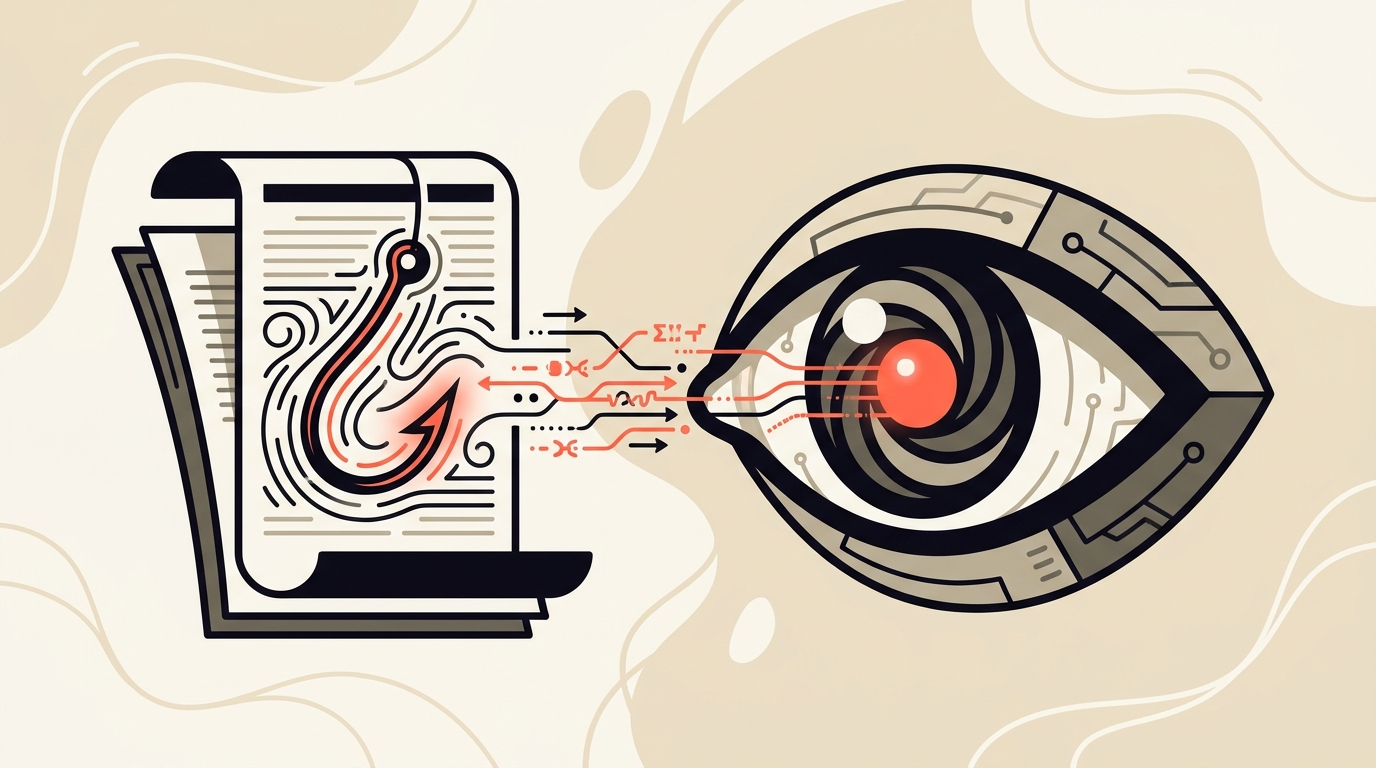
Security researchers are raising the alarm about a trick called prompt injection. Attackers hide malicious instructions inside ordinary looking documents, web pages and code files. When an AI tool reads that content, it can be fooled into following the hidden instructions.
This is not hypothetical. One threat report found attackers used this method against more than 90 organisations last year to steal passwords and funds. Yet a recent survey found only about a third of firms have any dedicated defence in place.
What this means for you: if you use AI tools that read emails, documents or web content, you have a new way in for attackers. Ask whoever supplies your AI what they do to block prompt injection, and treat it as a real question, not a technicality.
The bottom line
AI is powerful but uneven. It shines on the short tasks and stumbles on the long game, so keep a person on the strategy. Be smart about cost, because the priciest model is rarely the right one for routine work. And as these tools start reading your documents and doing real jobs, give the security side the attention it deserves.
Want to explore AI for your business?
Book a free discovery call to discuss how AI can streamline your operations and unlock new opportunities.
calendar_today Book a discovery callEnjoyed this? Get The Boardroom AI Brief.
Every Tuesday, the 10 AI developments that actually matter for SMEs. One short email. Free.
Free · no spam · unsubscribe any time

// WRITTEN BY
James Anderson
AI and full-stack engineer helping SME owners understand and implement AI. Founder of AI in Business and host of the AI in Business channel on YouTube.
Learn more about James →[ MORE ] RELATED READING
You might also like.

// NEXT MOVE
Get the AI news that matters, every week.
Join The Boardroom AI Brief. One free email every Tuesday: the AI developments that matter for your business, rated for relevance and explained in plain English.