AI News, 5 July 2026: 60-day reviews done in 10, and the case for the end of software
Trunk Tools cuts reviews from 60 days to 10, Brockman sees a no-interface future, Mistral's sovereignty moment, Fable 5 prompting tips and Midjourney in court.

A quiet holiday weekend in the US, but not a quiet one for AI. Today’s stories cover a construction firm that turned a two-month bottleneck into a ten-day job, a bold prediction about the end of software as we know it, and a courtroom move that every business using AI images should watch.
In a nutshell: Trunk Tools showed why specialised AI beats general-purpose models on messy industry paperwork, cutting submittal reviews from up to 60 days to 10. OpenAI’s Greg Brockman says the future has almost no software interfaces at all, just agents that act for you. Mistral AI is having its sovereignty moment after the US briefly forced Anthropic’s newest models offline. An Anthropic developer shared practical prompting habits that work for any leader, not just coders. And Midjourney wants the Hollywood studios suing it to show the court how they use AI themselves.
1. Construction firm cuts 60-day document reviews to 10 by ditching general-purpose AI
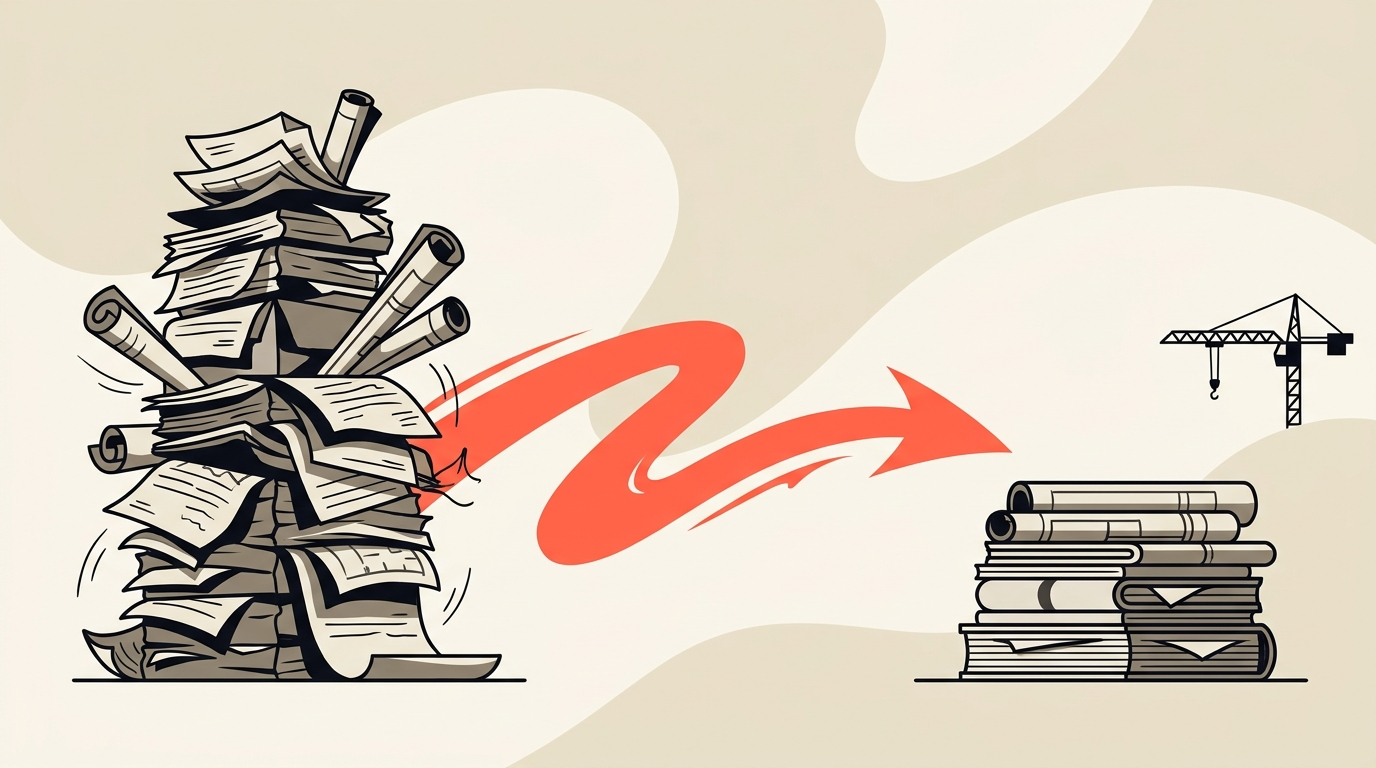 VentureBeat reports that Trunk Tools, an AI firm serving construction, has cut submittal review cycles from 50 to 60 days down to 10. The win did not come from a bigger model. It came from a purpose-built stack: one layer reads messy PDFs, drawings and scans, one layer maps how the data relates, and AI agents sit on top doing the actual work.
The firm runs seven agents built for specific construction jobs, from reviewing bids to checking drawings. General-purpose models kept stumbling on industry-specific documents that need domain knowledge to interpret.
What this means for you: if a general AI tool has disappointed you on your industry’s paperwork, the tool may not be the problem. The lesson here is that specialised beats general when the documents are messy, and the payoff can be measured in weeks saved.
2. OpenAI’s Brockman predicts a future where nobody learns software
 OpenAI cofounder Greg Brockman says the destination is “almost no interface” at all, according to The Decoder. Instead of apps packed with features, he pictures a persistent agent that knows your context and gets on with digital tasks for you.
He is candid about past missteps. ChatGPT’s heavily marketed 2023 plugins failed, in his words, “because the models weren’t ready.” He argues that has changed, pointing to far larger context windows and models that can connect to hundreds of tools.
What this means for you: be careful signing long contracts for software your team must be trained to use. If the interface layer shrinks, the value shifts to your data and your processes. Those are worth investing in either way.
3. Mistral AI becomes Europe’s plan B after the US briefly switched off Anthropic’s best models
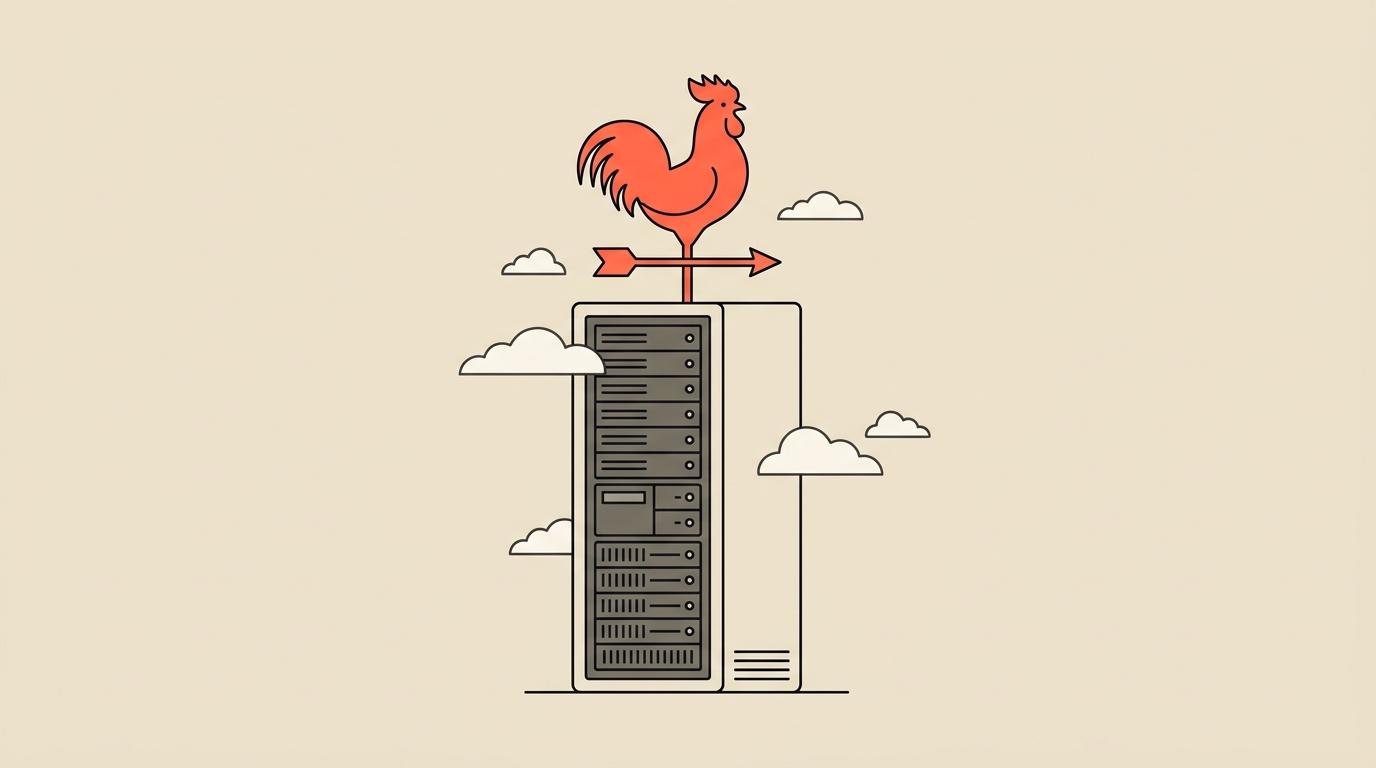 TechCrunch published a timely explainer on Mistral AI, the French firm suddenly fielding calls from boards worried about relying on US providers. The trigger was June’s export-control episode, when a US directive forced Anthropic to pull its newest models offline for almost three weeks before restrictions were dropped on 30 June.
Mistral’s pitch is open-weight models you can run on your own infrastructure, which no foreign government can switch off. TechCrunch notes the firm also embeds engineers directly with governments and large companies to tailor AI to their use cases.
What this means for you: June proved that access to a US model can vanish overnight for reasons that have nothing to do with you. If AI now sits in a critical process, ask your provider the same question you would ask any single supplier: what is our fallback?
4. Anthropic developer’s prompting advice: find your blind spots before you type
 Anthropic developer Thariq Shihipar says the bottleneck with the latest models is no longer the AI, it is knowing what you do not know, The Decoder reports. His advice: before writing a detailed prompt, use the AI to surface your own knowledge gaps through quick brainstorms, structured interviews where the AI asks you the questions, and simple reference notes.
He also flags a trap most of us fall into. Overly detailed instructions can lock the AI into a flawed approach, while vague ones produce generic answers. The fix is telling the AI where you are in your thinking and how much experience you have with the problem.
What this means for you: the best AI results start before the prompt. Try asking the tool to interview you about a decision first. It costs five minutes and usually surfaces the question you should have been asking.
5. Midjourney asks the court to make Disney, Warner Bros. and Universal reveal their own AI use
 Midjourney is defending a copyright lawsuit from Disney, Universal and Warner Bros., and it has gone on the front foot, Engadget reports. The firm has asked the court to compel the studios to hand over their AI business plans, research and training data, arguing that if the studios do the same things they are suing over, that supports Midjourney’s fair use defence.
A magistrate judge had limited disclosure to consumer-facing AI only. Midjourney is now urging the district judge to overturn that ruling. The studios call it a fishing expedition.
What this means for you: the legal rules for AI-generated images are still being written in cases like this one. If your business uses AI imagery in marketing, keep records of what you generate and how, and keep recognisable characters and brands out of it.
The bottom line
The thread running through today is control. Control of your documents, your software stack, your model supply and your creative output. The businesses getting ahead are the ones treating AI like any other critical supplier: specialised where it counts, with a fallback plan in the drawer.
Want to explore AI for your business?
Book a free discovery call to discuss how AI can streamline your operations and unlock new opportunities.
calendar_today Book a discovery callEnjoyed this? Get The Boardroom AI Brief.
Every Tuesday, the 10 AI developments that actually matter for SMEs. One short email. Free.
Free · no spam · unsubscribe any time

// WRITTEN BY
James Anderson
AI and full-stack engineer helping SME owners understand and implement AI. Founder of AI in Business and host of the AI in Business channel on YouTube.
Learn more about James →[ MORE ] RELATED READING
You might also like.

// NEXT MOVE
Get the AI news that matters, every week.
Join The Boardroom AI Brief. One free email every Tuesday: the AI developments that matter for your business, rated for relevance and explained in plain English.