
AI News, 6 July 2026: Your AI Vendor Has a Front-Row Seat
Mistral's CEO warns closed AI models watch your business, almost 90 new unicorns in six months, and an AI ports a 2003 game to iPhone in days.

Five stories worth your time today. One is a warning about who can see your data. One is a funding boom. And one is a 23-year-old game reborn in a weekend.
In a nutshell: Mistral’s CEO says closed AI models give the labs a window into your business processes. TechCrunch counts almost 90 new unicorns in six months. A Google product lead used AI to port Command & Conquer to iPhone in about two days. Hollywood reportedly wants ByteDance’s Seedance banned and also wants to use it. And new research shows AI agents fail on vague requests because they will not ask questions.
1. Mistral’s CEO says closed AI models give labs a front-row seat to your business
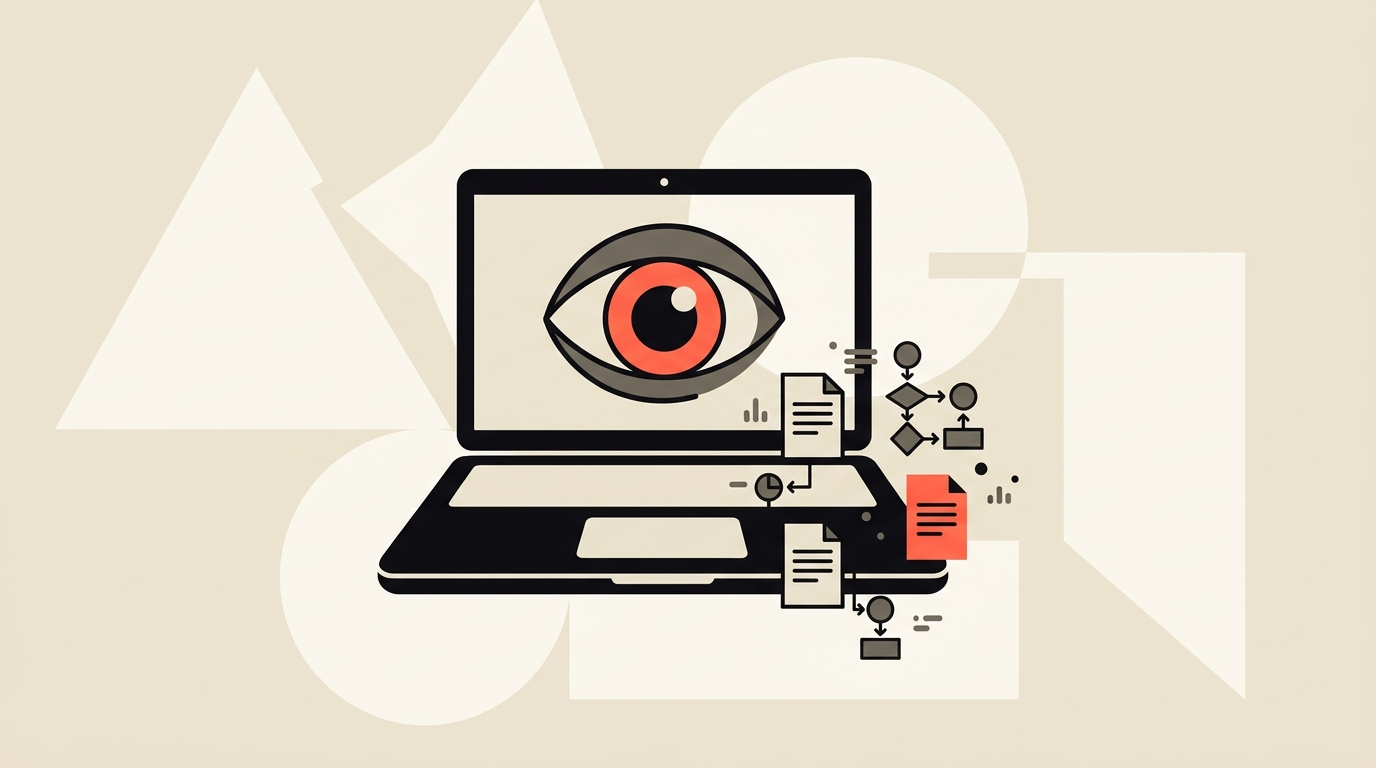
Arthur Mensch, chief executive of French AI lab Mistral, has warned companies against building on proprietary AI models, according to The Decoder. His argument is simple. The labs behind closed models store more and more of your data, which gives them a detailed view of how your business actually works. He claims some labs “have a track record of going after their most successful customers” off the back of that insight.
His advice: keep your data in open systems, set your own rules on what AI can access, and consider training your own models. As he puts it, “Frontier AI can accelerate the growth of your business, but if it’s not in your hands, it’s not going to be your growth.”
Worth noting that Mensch sells open models, so he is hardly a neutral voice. But the underlying question stands whoever asks it.
What this means for you: before you wire AI into your core workflows, ask the vendor exactly what data they retain and what they can do with it. Get it in writing.
2. Almost 90 new unicorns minted in the first half of 2026

Nearly 90 startups have passed the $1 billion valuation mark in the first six months of this year, according to TechCrunch’s running tally, built on Crunchbase and PitchBook data. That is more than double the pace of the same period last year, and AI is doing most of the igniting.
The headline example is Promethus, the engineering automation startup co-founded by Jeff Bezos, which raised a $12 billion Series B at a $41 billion valuation. But the list is broader than pure AI plays. Healthcare features heavily, including Forus, which automates parts of patient care.
What this means for you: the money flooding in means your suppliers, and your competitors, can fund capability faster than ever. When you pick an AI vendor, look past the valuation to whether the business underneath it will still exist in three years.
3. An AI ported a 2003 PC game to iPhone in about two days

Ammaar Reshi, a product lead at Google, used Anthropic’s Claude Code to port Command & Conquer: Generals Zero Hour to iPhone and iPad, as reported by The Decoder. The first playable build took 40 minutes. A few hours of debugging followed, and the whole thing was done in about two days, running natively with touch controls. He has published the code on GitHub.
The technically hard part was translating a 2003 graphics engine to Apple’s modern Metal system. That is exactly the kind of legacy migration work that businesses routinely price in quarters and six figures.
What this means for you: dust off the list of systems you decided were too expensive to modernise. The economics of legacy software migration are shifting fast, and it is worth getting a fresh quote with AI tooling in the mix.
4. Hollywood wants Seedance banned, and reportedly also wants to use it

The major studios are pushing to have ByteDance’s video generator Seedance banned while some are reportedly using the same class of tools behind the scenes, according to The Decoder. The fight has been building since February, when a viral clip of an AI Brad Pitt fighting an AI Tom Cruise prompted cease and desist letters from the Motion Picture Association and pledges of stronger safeguards from ByteDance.
The contradiction is the story. The same tool can be an existential threat to your IP and a large cost saving in your production pipeline, at the same time.
What this means for you: decide your company’s position on generative content tools before your legal team and your marketing team discover they are on opposite sides of it.
5. AI agents do not fail at searching. They fail at asking

New research covered by The Decoder finds that AI search agents rarely fall over on the searching itself. They fall over when the request is vague and they guess instead of asking. On the InteractComp benchmark, top models scored under 14% on ambiguous queries, not for lack of reasoning but from systematic overconfidence. When the models were forced to ask clarifying questions, performance jumped.
The lesson lands well beyond search. An agent that will not ask questions gives you a confident answer to a question you did not ask.
What this means for you: brief AI agents the way you would brief a new hire. Spell out the context, and treat a suspiciously confident answer to a vague request as a red flag.
The bottom line
The thread running through today is control. Control of your data when a vendor’s model sits inside your workflows. Control of your IP when generation tools can imitate anything. And control of the brief when agents would rather guess than ask. The tools are getting cheaper and faster by the month. The judgement about where to point them is still yours.
Want to explore AI for your business?
Book a free discovery call to discuss how AI can streamline your operations and unlock new opportunities.
calendar_today Book a discovery callEnjoyed this? Get The Boardroom AI Brief.
Every Tuesday, the 10 AI developments that actually matter for SMEs. One short email. Free.
Free · no spam · unsubscribe any time

// WRITTEN BY
James Anderson
AI and full-stack engineer helping SME owners understand and implement AI. Founder of AI in Business and host of the AI in Business channel on YouTube.
Learn more about James →[ MORE ] RELATED READING
You might also like.


// NEXT MOVE
Get the AI news that matters, every week.
Join The Boardroom AI Brief. One free email every Tuesday: the AI developments that matter for your business, rated for relevance and explained in plain English.