
AI News, 9 July 2026: The Price of Smart AI Just Split in Two
Grok 4.5 undercuts the big names on price while Claude Fable 5 charges a premium, plus smarter assistants, a more human ChatGPT voice, and a robotics leap.

Five AI stories worth your time today. We have pulled out what matters for people running a business, and left the developer-only detail to one side.
In a nutshell: The price of capable AI is being pulled in two directions at once, cheaper at one end and pricier at the other. Amazon and OpenAI are both racing to make assistants that do more and sound more human. And the technology behind real robots just took a genuine step forward.
1. A new AI model just undercut the big names on price

SpaceX, which now owns the AI firm xAI, has released a model called Grok 4.5. It costs about 2 dollars per million words of input, against 5 dollars for Anthropic’s top Opus model, and the gap on output is even wider.
Elon Musk describes it as a top-tier model that is simply faster and cheaper to run. The logic is hard to ignore. If a model delivers most of the quality of the best for a fraction of the cost, price-sensitive work will start to move across.
What this means for you: the cost of capable AI is falling fast. If you priced up an AI project even six months ago, it is worth pricing it again now.
2. Amazon wants Alexa to actually get things done
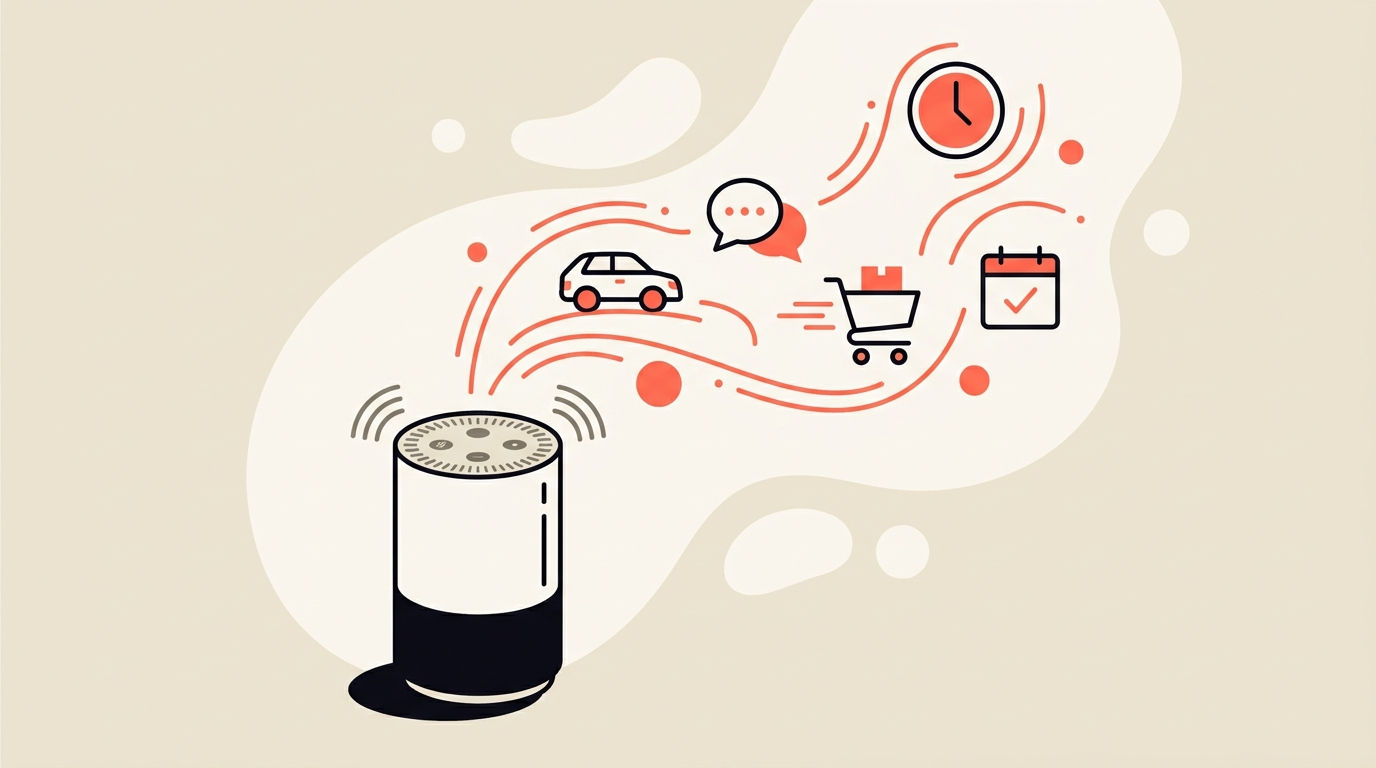
Amazon is reportedly building a project called Moonraker to make Alexa handle proper multi-step jobs. The example doing the rounds is asking it to book a ride and text a friend in a single request, rather than one command at a time.
It is a serious effort, with a reported budget of more than 100 million dollars in computing costs this year alone. The aim is to keep pace with the assistants coming from Google, OpenAI and Anthropic.
What this means for you: assistants that carry a whole chain of tasks through to the end are heading into everyday tools. It is worth thinking about which of your routine jobs could be handed off to one.
3. OpenAI gives ChatGPT a far more human voice
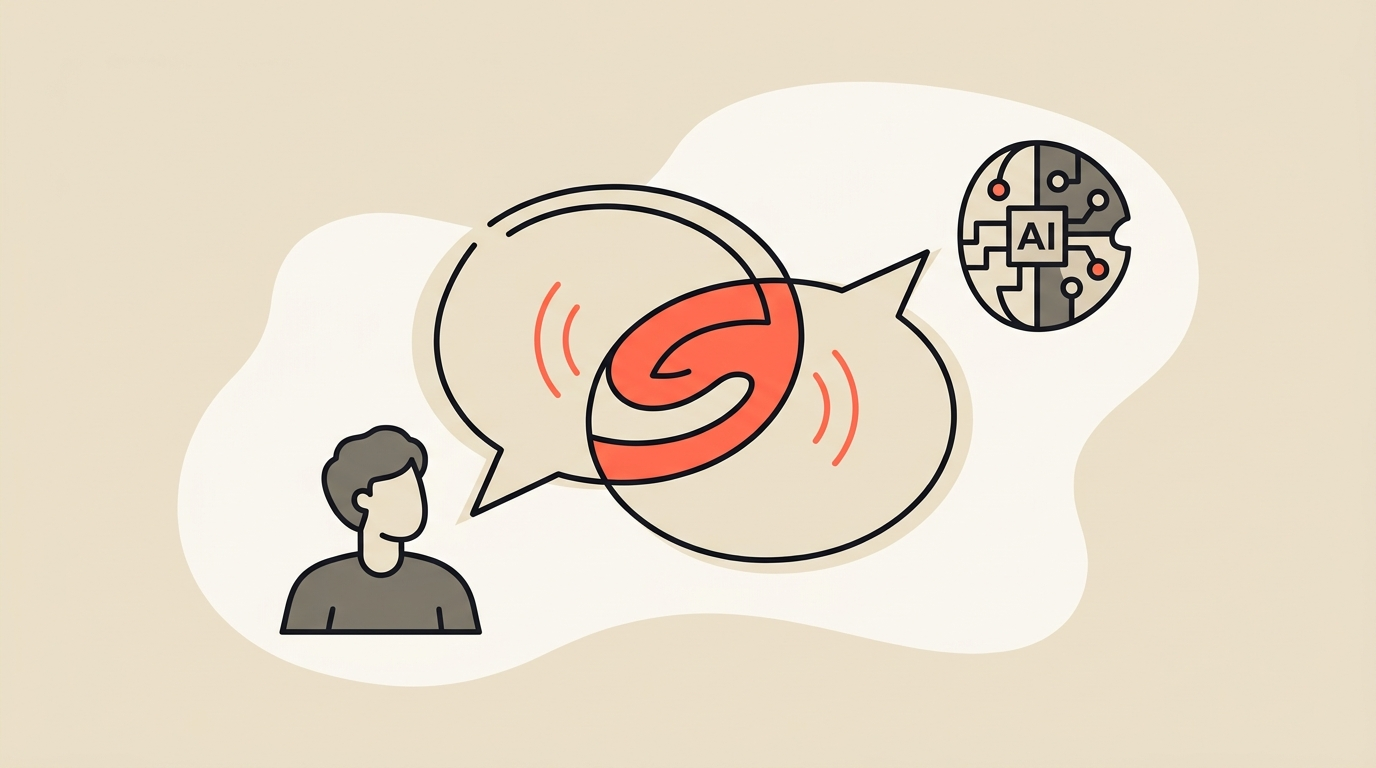
OpenAI has launched GPT-Live, a new voice system that can listen and speak at the same time. That means you can interrupt it, talk over it, and have a natural back and forth, rather than the stop-start turns of older voice assistants.
It is rolling out to ChatGPT users around the world, and it adds live translation between major languages. For anything spoken, it feels a good deal closer to talking to a person.
What this means for you: voice is becoming a real way to get work done with AI. If you deal with customers by phone or across languages, this is worth keeping an eye on.
4. Robots may be nearing their own “ChatGPT moment”
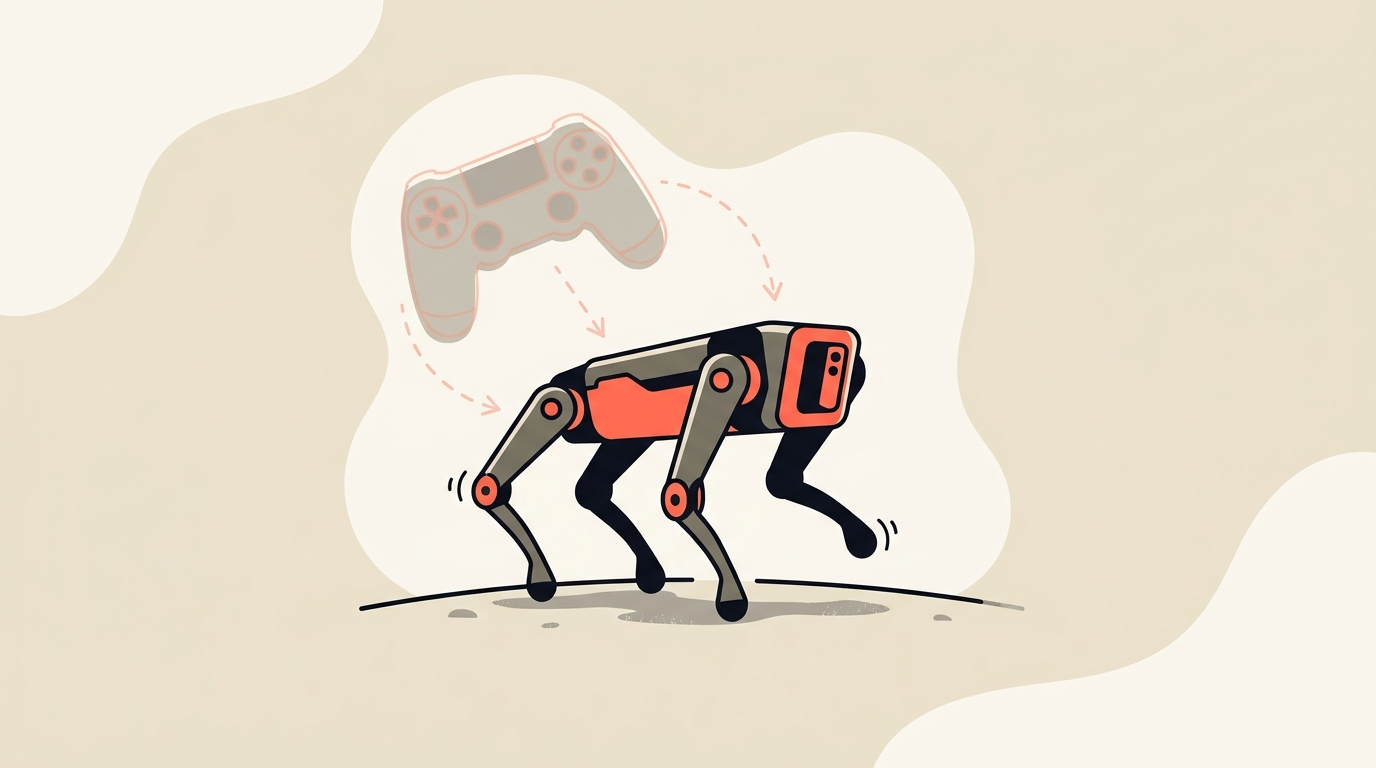
A startup called General Intuition is training AI on millions of hours of video game footage to teach machines how to move and act in space. The clever part is that game clips record exactly what a player did and when, which turns out to be strong training data.
It has already powered a four-legged robot after just eight minutes of real-world practice, and it has raised 320 million dollars. The plan is to become the base that other robotics firms build their machines on.
What this means for you: the leap from clever software to capable physical robots is getting shorter. If your business touches warehousing, delivery or manufacturing, keep half an eye on this space.
5. The best AI still comes at a steep premium
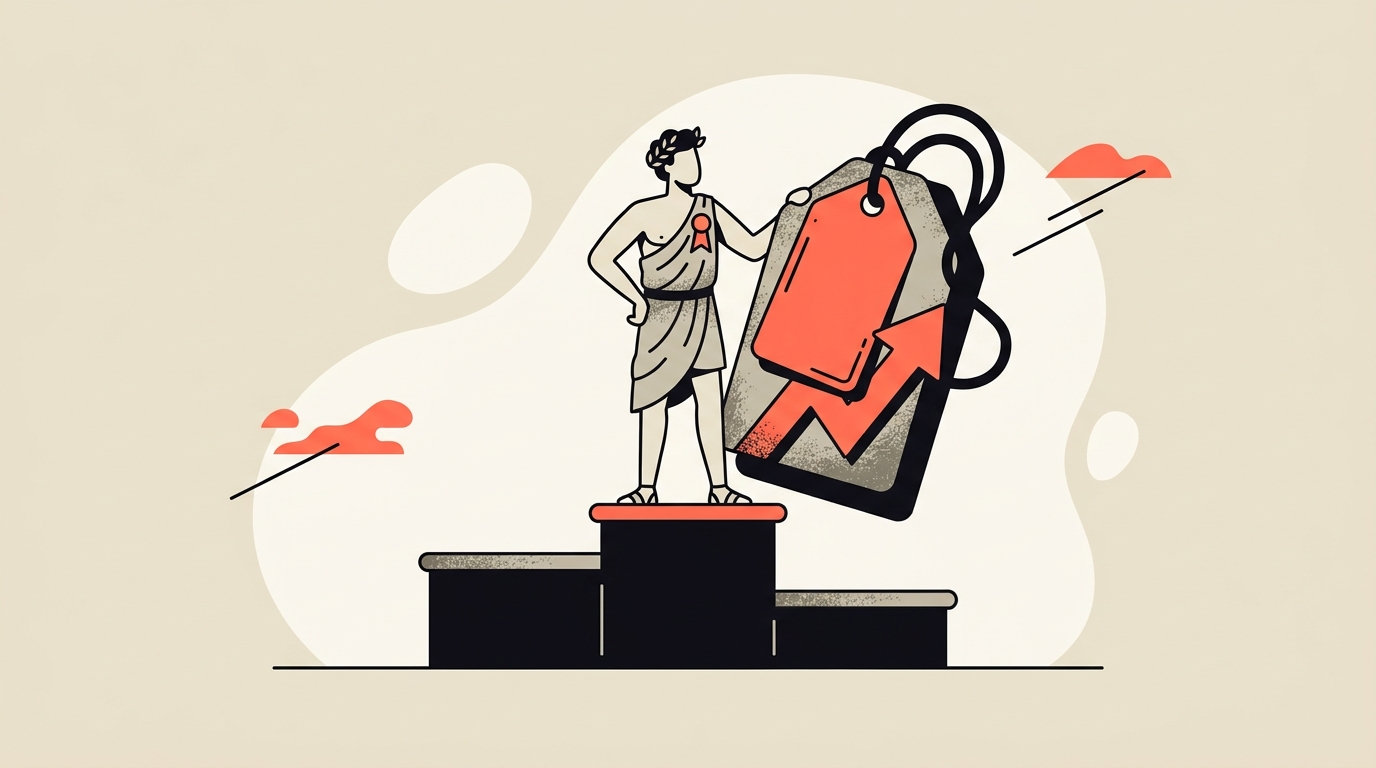
At the other end of the price scale, Anthropic’s Claude Fable 5 has just topped every one of eight new industry benchmarks, covering areas like finance. It is, by common agreement, the most capable model on the market right now.
It is also dear. It costs around 10 dollars per million words of input and 50 dollars for output, well above what most everyday models charge. You are paying a real premium for that top spot.
What this means for you: the very best AI is genuine, and it is expensive. For most day-to-day work a cheaper model will do the job. Save the premium tools for the tasks where being the absolute best actually pays.
The bottom line
In the same week, one model slashed its price and another charged a premium for being the best. That tells you the market is splitting in two. The move now is not to pick a side but to match the model to the job, keep testing what voice and assistants can take off your plate, and watch the robots quietly get better in the background.
Want to explore AI for your business?
Book a free discovery call to discuss how AI can streamline your operations and unlock new opportunities.
calendar_today Book a discovery callEnjoyed this? Get The Boardroom AI Brief.
Every Tuesday, the 10 AI developments that actually matter for SMEs. One short email. Free.
Free · no spam · unsubscribe any time

// WRITTEN BY
James Anderson
AI and full-stack engineer helping SME owners understand and implement AI. Founder of AI in Business and host of the AI in Business channel on YouTube.
Learn more about James →[ MORE ] RELATED READING
You might also like.


// NEXT MOVE
Get the AI news that matters, every week.
Join The Boardroom AI Brief. One free email every Tuesday: the AI developments that matter for your business, rated for relevance and explained in plain English.