AI news today: OpenAI says chat is dead, plus a new ChatGPT safety switch
Today's AI news for business leaders: OpenAI plans a ChatGPT superapp, a new Lockdown Mode to protect sensitive data, 21 no-code AI tools, AI content that is harder to spot, and how AI safety rules are being weaponised.

Here is your quick run through the AI stories that actually matter for running a business today. Five things, plain English, no hype.
In a nutshell: OpenAI wants to turn ChatGPT into an all-in-one “superapp” built around agents that do tasks for you. ChatGPT also gained a new Lockdown Mode to protect sensitive data. There is a fresh rundown of 21 no-code AI tools you can use without a developer. AI-made content is getting genuinely hard to spot. And a sharp piece looks at how AI safety rules are being turned into a tool for political pressure.
1. OpenAI says “chat is dead” and wants ChatGPT to run your tasks
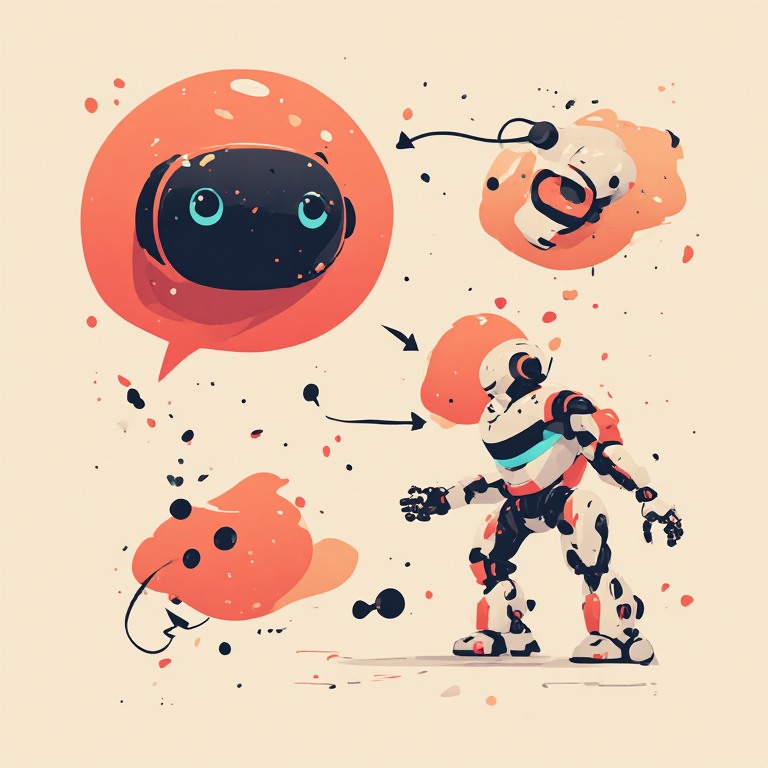
A senior OpenAI employee told the Financial Times that “chat is dead.” The company is planning its biggest overhaul of ChatGPT since launch, turning it into a “superapp” that bundles coding tools, image generation, and partner apps like Canva and Booking.com, all built around agents that carry out tasks rather than just answer questions.
The changes are due to start in the coming weeks as updates to the website and mobile apps. OpenAI’s chief product officer described the goal as a personal agent that helps you “across everything in your life,” at home and at work. The timing is not an accident, with the overhaul reported to be landing ahead of a planned stock market listing.
What this means for you: the tools your team uses are shifting from “ask a question, get an answer” to “give it a job, it does the work.” Start thinking about which small, repeatable tasks you would actually trust software to complete on its own.
2. ChatGPT gets a Lockdown Mode to protect sensitive data

OpenAI has rolled out Lockdown Mode, a setting that protects sensitive data from prompt injection attacks. Those are hidden instructions buried in a web page or an uploaded file that try to hijack the AI and quietly steal your information.
When you switch it on, Lockdown Mode cuts off the risky connections. It limits live web search to cached content, fully disables Deep Research and Agent Mode, and stops ChatGPT downloading files or showing web images in normal replies. It is available to everyone, including Free, Go, Plus, Pro, and self-serve Business accounts, under Settings then Security. OpenAI is clear that it reduces risk rather than removing it completely.
What this means for you: if anyone on your team pastes client data, contracts, or financials into ChatGPT, this switch is worth knowing about. It is a simple way to lower the odds of a leak when handling the sensitive stuff.
3. A fresh rundown of 21 no-code AI tools

MarkTechPost published a guide to 21 low-code and no-code AI tools for 2026. The theme is simple: these platforms now ship with a built-in assistant that turns a plain text prompt into a working app, agent, or automation, no developer required.
The guide groups tools by what they do best, from quick app builders to model deployment platforms. The honest takeaway is that no single tool does everything well, so the smart move is to match the tool to the job and combine a few. The bigger shift is speed, going from idea to a live, working thing in hours rather than weeks.
What this means for you: you no longer need a technical hire to test a small idea. If there is a clunky manual process in your business, one of these tools could let you prototype a fix this week.
4. AI-made content is getting hard to spot
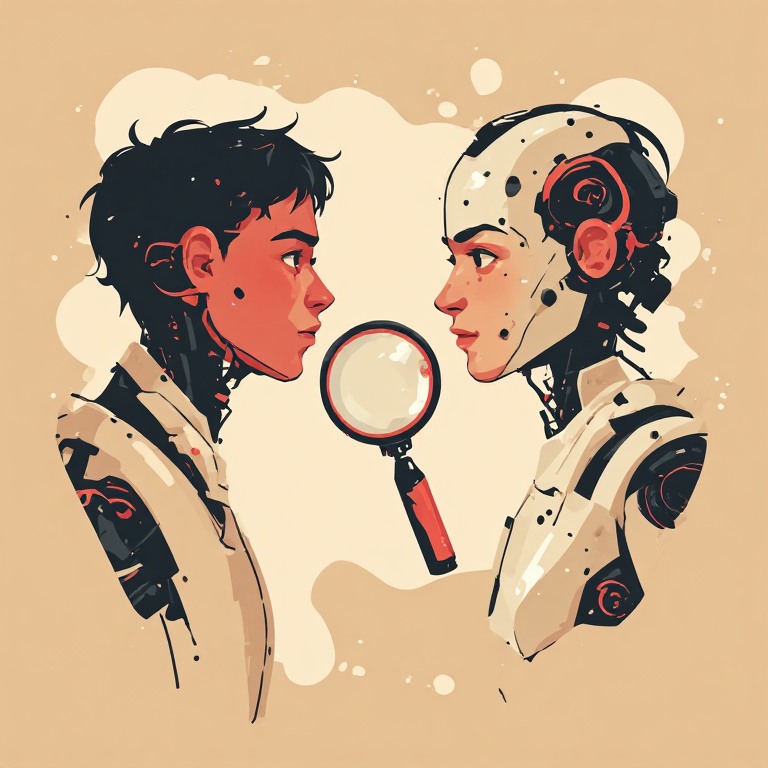
The Verge reports that social media platforms are struggling to tell AI “creators” apart from real people. The quality has crossed a line where even savvy users get fooled, and platforms are scrambling to respond, with Instagram among those planning clearer AI transparency labels.
This matters beyond social feeds. AI now produces video, images, and text at industrial scale, often indistinguishable from human work. That is great for cheap output, and a real problem for trust, with fakes and impersonation getting easier by the month.
What this means for you: assume your customers are getting more sceptical about what is real. Leaning into genuine, recognisably human content from your business, and being upfront when you use AI, is becoming a competitive edge rather than a nice-to-have.
5. How AI safety rules are being turned into pressure

Fast Company ran a sharp piece on how authoritarian-leaning governments can twist “AI safety” from a protection into a lever for control. The argument is that instead of outright censorship, officials can delegitimise safeguards they dislike and pressure companies to drop them.
The example is Anthropic, the maker of Claude. In March 2026 the Trump administration labelled the company a supply chain risk after it refused to strip out safeguards blocking domestic surveillance and autonomous weapons, and ordered federal agencies to stop using it. The piece notes Anthropic later quietly softened some of its own binding safety commitments, showing how much pressure was in play.
What this means for you: the AI vendors you rely on are operating in a shifting political environment, and their rules and availability can change. It is worth knowing who supplies your AI tools and having a backup in mind, so a sudden policy change does not leave you stuck.
The bottom line
The pattern this week is clear. AI is moving from a thing you chat with to a thing that does work for you, and that raises the stakes on two fronts: security and trust. Lockdown Mode and the no-code boom both point to the same advice, which is to start small, protect your data, and test real tasks rather than wait for the perfect tool. The companies that quietly experiment now will be the ones ready when this becomes normal.
Want to explore AI for your business?
Book a free discovery call to discuss how AI can streamline your operations and unlock new opportunities.
calendar_today Book a discovery callEnjoyed this? Get The Boardroom AI Brief.
Every Tuesday, the 10 AI developments that actually matter for SMEs. One short email. Free.
Free · no spam · unsubscribe any time

// WRITTEN BY
James Anderson
AI and full-stack engineer helping SME owners understand and implement AI. Founder of AI in Business and host of the AI in Business channel on YouTube.
Learn more about James →[ MORE ] RELATED READING
You might also like.

// NEXT MOVE
Get the AI news that matters, every week.
Join The Boardroom AI Brief. One free email every Tuesday: the AI developments that matter for your business, rated for relevance and explained in plain English.