I Hired an AI Developer. Here's What I Wish I'd Asked.
Hiring the right AI developer requires asking the right questions before committing your budget. Learn the exact questions to ask, realistic costs, timelines, and three rules to protect yourself before signing anything.

// WATCH THE EPISODE
AI in Business on YouTube
Prefer video? Watch this week's full breakdown on the AI in Business YouTube channel.

TL;DR
Hiring the right AI developer requires asking the right questions before committing your budget. Look for developers who can explain their approach in simple terms—those who cannot simplify their explanation are likely poor communicators whose code may also be unnecessarily complex. Build a minimum viable product first using microlayer development, understand exactly where your data goes, and expect realistic timelines of 10-15 weeks rather than the “two-week miracles” that often skip critical testing phases.
Table of Contents
- The First Question to Ask Any AI Developer
- Why Simple Explanations Matter
- Realistic Timelines and Why Fast Promises Fail
- What AI Developers Actually Charge
- Vibe Coding vs Microlayer Development
- Where Does Your Data Go and Who Owns What Gets Built
- Integration: The Problem Nobody Plans For
- Three Rules to Protect Yourself Before Signing Anything
- Key Takeaways
- FAQ
- Over to You
Introduction
When you’re ready to hire an AI developer, the quotes you’ll receive can be bewildering. One developer talks about neural networks and transformer architecture and quotes you tens of thousands. Another says they can have something live in two weeks for a few hundred quid. And you’re sitting there thinking, how do I know which one is actually going to deliver?
I have hired developers multiple times for my own businesses. I once paid $20,000 for an app that turned out to be absolute spaghetti code—unusable, unscalable, and a complete waste of investment. This guide gives you the exact questions that separate the experts from the amateurs, so you don’t make the same mistakes I did. By the end of this article, you’ll know exactly what to ask, what to watch for, and how to protect yourself before signing any contract.
The First Question to Ask Any AI Developer
The very first question you should ask any developer you’re considering hiring is deceptively simple: ask them to explain their approach as if they were talking to a restaurant owner with no tech background whatsoever. This isn’t about dumbing down—it’s about clarity. Can they take their complex methodology and translate it into something a non-technical business owner would actually understand?
If they start throwing around jargon like “neural networks,” “transformer architecture,” or “machine learning pipelines” without any attempt to make it accessible, that’s your first major red flag. The best AI developers I’ve worked with can explain what they’re building and why it matters in plain English. They don’t need to hide behind technical vocabulary to feel credible.
The inability to simplify is not a sign of expertise—it is a sign of poor communication.
This question alone will filter out a surprising number of candidates. If they can’t communicate clearly before you’ve even hired them, imagine how difficult they’ll be to work with when problems arise during development.
Why Simple Explanations Matter
There’s a common misconception that the more technically complex someone’s explanation sounds, the more knowledgeable they must be. This could not be further from the truth, especially when you’re looking to hire an AI developer for your business.
When a developer cannot explain what they’re doing in accessible terms, it typically indicates one of two problems. First, they may not truly understand the concepts themselves—they’re repeating terminology they’ve heard without grasp of the underlying principles. Second, they may understand it perfectly well but simply don’t care enough about your understanding to try explaining it differently.
Neither scenario bodes well for your project. A developer who won’t take the time to ensure you’re on the same page before work begins is unlikely to keep you informed throughout the process. You’re paying them to solve a business problem, not to impress you with technical vocabulary.
The goal here isn’t to become a technical expert yourself—it’s to have enough understanding that you can make informed decisions about what you’re building and why. Any developer worth hiring will respect this and meet you where you are.
Realistic Timelines and Why Fast Promises Fail
When someone promises you results in three to four weeks, every alarm bell should go off. A realistic AI project takes a minimum of 10 to 15 weeks from discovery through design, development, testing, and launch. These phases exist for good reasons—skipping them doesn’t speed things up, it creates problems that surface later and cost significantly more to fix.
Research shows that realistic planning actually leads to 15% shorter overall project duration than optimistic planning with built-in delays. When developers promise impossibly fast timelines, they’re typically skipping critical steps like thorough testing, documentation, or proper integration planning. What seems like a time savings now becomes a nightmare of rewrites and patches later.
The discovery phase alone typically takes two to three weeks and involves understanding your business processes, data availability, and specific requirements. The design phase ensures everyone agrees on what gets built before anyone writes code. Development follows, but good developers build in iterative testing rather than leaving all quality assurance for the end. The launch phase includes deployment, training, and handover.
Fast promises feel appealing because you want results yesterday. But when you’re looking to hire an AI developer who will actually deliver, patience during the selection process and realistic expectations about timelines will serve you far better than chasing the cheapest or fastest option.
What AI Developers Actually Charge
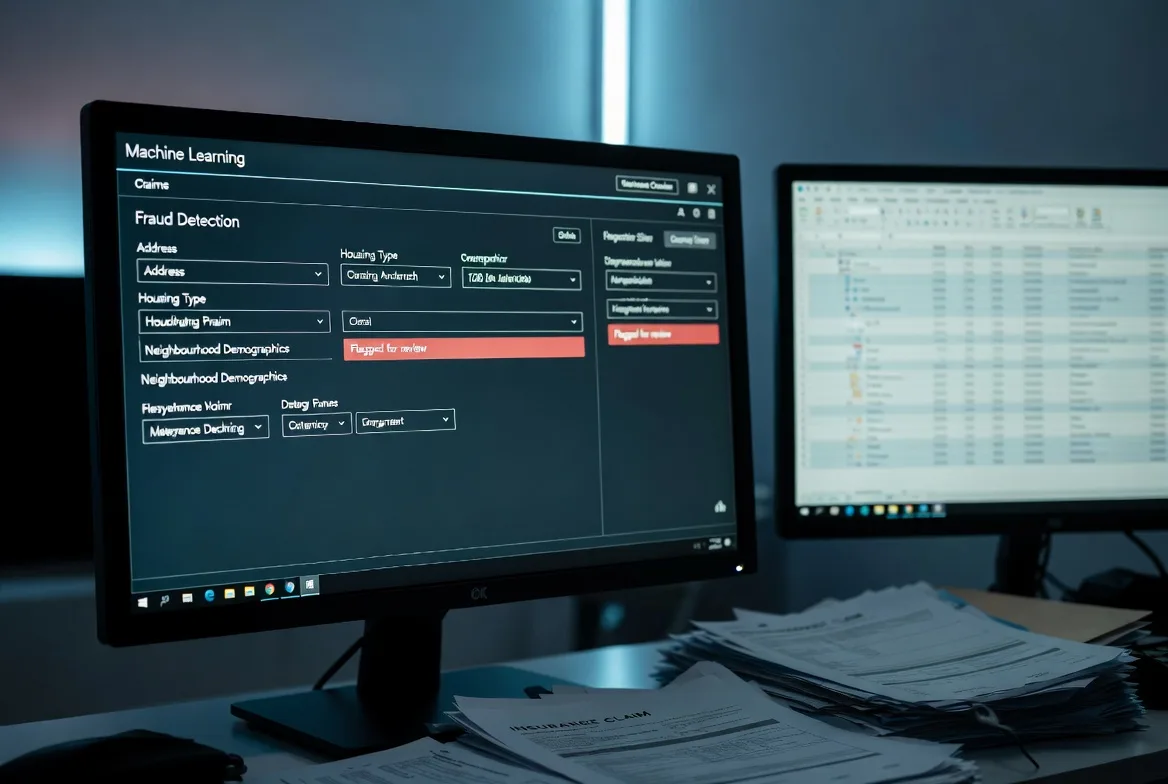
Costs for AI development vary dramatically based on complexity, and understanding the realistic range helps you evaluate whether quotes you’re receiving are reasonable or predatory.
A custom AI chatbot can cost anywhere from £1,000 to £15,000 depending on sophistication, integration requirements, and the quality of the underlying language model. Advanced implementations like computer vision systems or generative AI applications can reach £40,000 or more, particularly when custom training or specialized data handling is required.
The key insight here is that cheap freelancers often produce code that isn’t scalable, leading to two to three times cost overruns when you need to fix what they’ve broken or rebuild what they’ve done improperly. I’ve seen business owners chase the lowest quote only to spend three times as much getting functional results from someone else’s mess.
When you hire an AI developer, remember that you’re not just paying for code—you’re paying for experience, forethought, and the ability to build something that actually works in your specific business context. The most expensive option isn’t always the best, but rock-bottom prices should always raise suspicion.
Vibe Coding vs Microlayer Development
Here’s something most developers won’t tell you: you can often build your own MVP first using what I call microlayer development, then hand it to a professional developer to refine and scale. This approach can save you 75% or more on development costs while ensuring you get exactly what you need.
Vibe coding refers to using no-code platforms and AI tools to rapidly assemble something that works well enough to test your assumptions. You don’t need to be a developer—you need to understand your business process well enough to configure tools that do what you need. The goal isn’t to replace professional development; it’s to create a working prototype that proves your concept before investing significant money in custom development.
Once you’ve piloted your MVP internally for a couple of weeks, you have something tangible to hand to a developer. Instead of vague requirements and hope, you’re saying “this works but needs to handle scale” or “this feature is essential but this one isn’t used.” You’re having a completely different conversation—one based on reality rather than speculation.
This approach protects you in two ways. First, you’ve validated that the problem is worth solving before spending significant money. Second, you’ve given yourself the knowledge to evaluate whether a developer’s proposal makes sense. You can spot when someone is over-engineering solutions or missing obvious simplifications because you’ve already seen what works.
Want to explore AI for your business?
Book a free discovery call to discuss how AI can streamline your operations and unlock new opportunities.
calendar_today Book a discovery callWhere Does Your Data Go and Who Owns What Gets Built
This is the question that most business owners forget to ask until it’s too late: if you’re building AI systems that process customer data, exactly where does that data go and who has access to it?
If your customer data is being sent to third-party APIs—whether for language models, image processing, or other AI capabilities—you need to understand exactly who has access, how long they retain it, and what they might do with it. Different providers have different data policies, and some may use submitted data to train their models further.
For sensitive data, consider running a local LLM on your own server rather than sending everything to external APIs. This approach gives you complete control over your data and eliminates third-party exposure entirely. Yes, it’s more technically complex, but for businesses handling personal information, medical data, financial details, or anything subject to regulatory compliance, it’s often non-negotiable.
Beyond data privacy, ensure your contract specifies exactly who owns what gets built. The code, the trained models, the configurations, and any custom adaptations should be clearly yours upon payment. Don’t assume standard practice—get it in writing. I’ve seen disputes where developers claimed ownership of proprietary business logic embedded in custom systems, and without clear contractual language, businesses had no recourse.
Integration: The Problem Nobody Plans For
Integration is the problem that almost nobody plans for, and it’s the reason many AI projects fail to deliver value even when the underlying technology works perfectly. Your new AI chatbot might be brilliant in isolation, but if it can’t access your existing customer data, order history, or business systems, it’s essentially useless.
When you hire an AI developer, ask specifically about integration requirements before work begins. What systems does the AI need to connect to? What APIs are available versus what needs to be built? What’s the authentication and security model for those connections? Who maintains these integrations over time?
Integration work often takes longer than the AI development itself. A system that looks impressive in a demo environment often reveals significant challenges when actually trying to connect to your real business infrastructure. Build in time and budget for this reality rather than being surprised later.
The best approach is to map out your existing systems and data flows before engaging a developer. Understand what you want the AI to access and why. The more clarity you can provide about integration requirements upfront, the more accurate quotes and timelines will be.

Three Rules to Protect Yourself Before Signing Anything
Before you sign any contract with an AI developer, remember these three rules that will save you significant pain:
Rule one: get everything in writing. Verbal promises mean nothing when disputes arise. Every requirement, timeline, deliverable, and cost should be documented in a contract that both parties sign. This includes who owns the code, who owns the data, what happens if the project runs over time, and what happens if either party wants to walk away.
Rule two: break payments into milestones. Don’t pay everything upfront. Structure payments around clear deliverables—perhaps 30% on signing, 30% on design approval, 30% on testing completion, and 10% on final handover. This gives you leverage if problems arise and ensures the developer stays motivated throughout the project.
Rule three: define success criteria clearly. What does “done” look like? What specific functionality must work? What performance metrics must be met? Without clear success criteria, you’re relying on subjective judgment, and developers naturally have different standards than business owners do. The more specific you can be, the easier it is to evaluate whether the project succeeded.
These rules apply to any development project, but they’re particularly important with AI where the technology is complex, timelines are notoriously difficult to predict, and the gap between “working demo” and “production system” can be enormous.
Key Takeaways
- Always ask developers to explain their approach in simple terms—if they can’t communicate clearly, they likely can’t code clearly either
- Realistic AI projects require 10-15 weeks minimum; anyone promising three to four weeks is skipping critical steps
- Custom AI chatbot costs range from £1,000 to £15,000; advanced implementations can reach £40,000 or more
- Build your own MVP first using microlayer development, test it internally, then hand it to a professional developer—this can save 75% or more
- Always ask where your data goes and who has access; for sensitive information, consider running local LLMs
- Integration with existing systems often takes longer than the AI development itself—plan for this
- Break payments into milestones, get everything in writing, and define success criteria before signing
- The cheapest quote often leads to the most expensive outcome when code isn’t scalable
FAQ
How do I know if an AI developer is actually qualified?
Ask for specific examples of previous work similar to what you’re proposing, not just general experience. Request references and actually speak with past clients about their experience. Most importantly, ask them to explain their approach in simple terms during your first conversation—qualified developers can communicate clearly, while less experienced ones hide behind jargon.
What is a reasonable timeline for an AI project?
A realistic minimum is 10 to 15 weeks for discovery, design, development, testing, and launch. Complex projects involving custom model training, extensive integration, or regulatory compliance can take significantly longer. Be very suspicious of anyone promising meaningful results in under four weeks.
Should I build an MVP myself before hiring a developer?
Yes, absolutely. Using no-code tools and AI-assisted development, you can create a functional prototype to validate your concept before investing in custom development. This approach, called microlayer development, can save 75% or more on costs and gives you the knowledge to evaluate proposals intelligently.
How much should I budget for a custom AI chatbot?
Expect to invest between £1,000 and £15,000 for a custom AI chatbot, depending on complexity and integration requirements. Advanced implementations like computer vision or generative AI can reach £40,000 or more. Remember that cheap freelancers often produce unscalable code leading to cost overruns later.
What questions should I ask about data ownership?
Ask exactly where your data will be processed, who has access, how long it’s retained, and whether it will be used to train external models. Get clear answers in writing, and for sensitive data, consider whether a local deployment option makes sense. Ensure your contract specifies exactly who owns the built system and any trained models.
Over to You
Hiring the right AI developer doesn’t have to be a gamble. By asking the right questions upfront, setting realistic expectations, and following the three protective rules before signing, you dramatically increase your chances of a successful outcome.
What has your experience been? Have you hired AI developers before, and what lessons did you learn the hard way? I’d love to hear your stories—drop a comment below and let’s continue the conversation.
Need help finding the right AI developer?
Book a free discovery call and I'll help you figure out exactly what you need before you spend a penny.
calendar_today Book a discovery callEnjoyed this? Get The Boardroom AI Brief.
Every Tuesday, the 10 AI developments that actually matter for SMEs. One short email. Free.
Free · no spam · unsubscribe any time

// WRITTEN BY
James Anderson
AI and full-stack engineer helping SME owners understand and implement AI. Founder of AI in Business and host of the AI in Business channel on YouTube.
Learn more about James →[ MORE ] RELATED READING
You might also like.



// NEXT MOVE
Get the AI news that matters, every week.
Join The Boardroom AI Brief. One free email every Tuesday: the AI developments that matter for your business, rated for relevance and explained in plain English.