Samsung Unbans ChatGPT, AWS Says Your AI Agents Aren't Ready: AI News, 22 June 2026
Samsung gives staff ChatGPT, AWS admits AI agents lack business context, US states automate benefits, and a study finds AI lifts grades not learning.

Most days the AI headlines are noise. A few actually matter if you run a business. Here are the five from the last day that are worth two minutes of your time, with the bit that affects you pulled out of each one.
In a nutshell: Samsung handed ChatGPT and OpenAI’s coding tool to staff across the company, three years after banning the public version. AWS admitted most AI agents do not know enough about your business to be trusted, and launched two services to fix that. A run of US states are now using AI to run benefits programs like Medicaid and food support. A big university study found AI is pushing up grades without students actually learning more. And Sam Altman told a Stanford crowd that doubting AI’s progress now is a mistake.
1. Samsung gives ChatGPT to its workforce after years of banning it

Samsung has rolled out ChatGPT and OpenAI’s coding assistant, Codex, to employees. It is one of the largest enterprise deployments OpenAI has done.
The striking part is the history. In 2023 Samsung banned staff from using public ChatGPT after engineers pasted confidential code into it. Now it is back, but on the enterprise version, which by default does not train on your data and comes with retention and access controls the free app lacks. Samsung gated access behind security training and runs its own in-house model alongside the outside tools for sensitive work.
What this means for you: the lesson is not “ban it” or “open the floodgates.” It is the middle path. Pick the business-grade version, set rules for what can and cannot go in, and train people before you switch it on.
2. AWS admits AI agents lack business context, and sells the fix
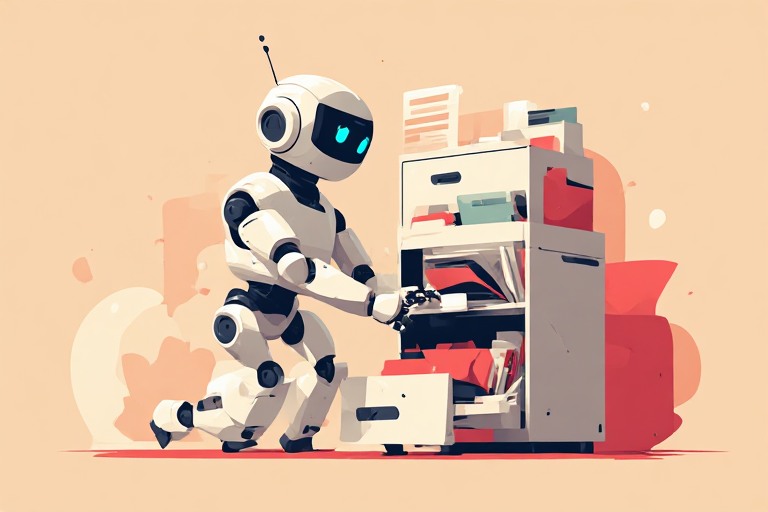
At its New York summit, AWS said the quiet part out loud: most AI agents do not know enough about your company to be reliable, and they are hard to secure. It launched two services to close the gap.
One, called Context, builds a map of your company’s data so an agent can find the right answer instead of guessing. The other, Continuum, hunts for security holes and only earns the right to act on its own once you grant it permission, step by step.
What this means for you: if you have tried an AI agent and found it confidently wrong, this is why. An agent is only as good as the company knowledge you feed it. Before you buy more AI, get your own data and documents in order.
3. US states start using AI to run benefits programs
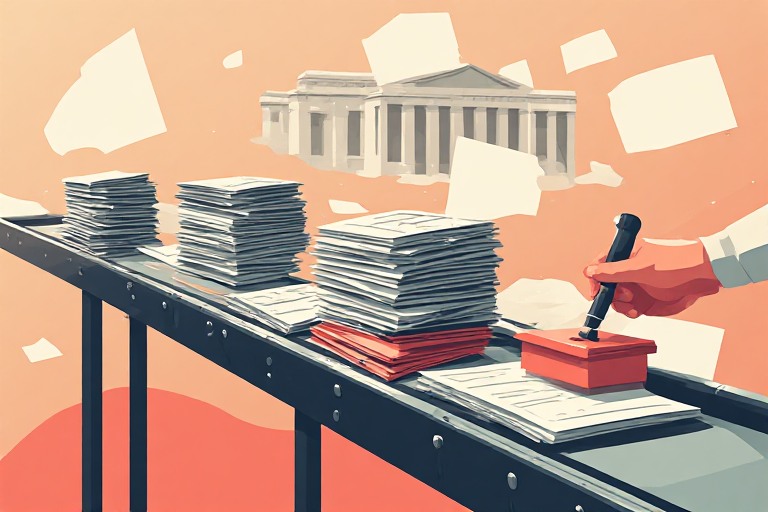
Several states are now using AI to help administer safety-net programs such as Medicaid, food support and unemployment. A multi-state group anchored by Maryland is building tools to speed up work verification, and others like New Jersey and Mississippi are following.
One detail stands out. Officials were clear that the AI handles the paperwork and the workload, but does not make the actual call on who qualifies. A human still decides eligibility.
What this means for you: this is a sensible template for any high-stakes process. Let AI take the admin load off your team, but keep a person on the final decision. It is the difference between using AI to go faster and using it to dodge responsibility.
4. A big study finds AI is lifting grades, not learning

A study of more than 500,000 university grades found that after ChatGPT arrived, top grades in writing and coding courses jumped by around 30 percent. But researchers concluded students were not learning more. They were leaning on AI to polish the work.
The pattern told the story. The jump came from turning B-plus work into A work, not from lifting strugglers. The effect was biggest where homework counted most, which points to AI doing the task rather than building the skill.
What this means for you: the same trap applies at work. Output can look better while real capability stays flat. If your team’s work suddenly looks sharper, check whether they are getting better or just hiding gaps. Measure outcomes, not polish.
5. Sam Altman says betting against AI now is a mistake

Speaking at Stanford, OpenAI boss Sam Altman pushed back hard at people who think AI progress is about to stall. He said a generation of researchers held the field back by underestimating how far simply making models bigger could go.
He pointed to a recent OpenAI model that cracked a maths problem experts had been stuck on for years as proof the systems can produce genuinely new results, not just remix what they were trained on. He did concede that scaling alone will not solve everything.
What this means for you: take the hype with a pinch of salt, since he is selling the product. But the direction is clear. The tools you tried a year ago and dismissed are not the tools you will be working with next year. Worth a fresh look.
The bottom line
Today’s stories share one thread: the question is no longer whether to use AI, but how to do it without getting burned. Samsung shows the guarded way back in. AWS shows that agents fail without your context. The states show how to keep humans on the big calls. And the grades study is a warning that better-looking output is not the same as better work. Pick the business-grade tools, feed them your knowledge, and keep a person on the decisions that matter.
Want to explore AI for your business?
Book a free discovery call to discuss how AI can streamline your operations and unlock new opportunities.
calendar_today Book a discovery callEnjoyed this? Get The Boardroom AI Brief.
Every Tuesday, the 10 AI developments that actually matter for SMEs. One short email. Free.
Free · no spam · unsubscribe any time

// WRITTEN BY
James Anderson
AI and full-stack engineer helping SME owners understand and implement AI. Founder of AI in Business and host of the AI in Business channel on YouTube.
Learn more about James →[ MORE ] RELATED READING
You might also like.

// NEXT MOVE
Get the AI news that matters, every week.
Join The Boardroom AI Brief. One free email every Tuesday: the AI developments that matter for your business, rated for relevance and explained in plain English.